

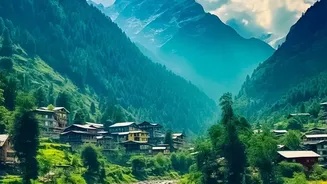
The Great Escape from Urban Chaos
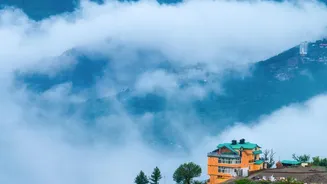
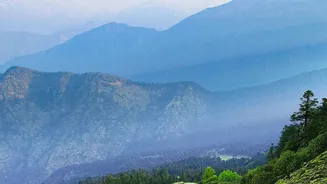
For many, the primary motivation is a profound shift in quality of life. The daily grind of metropolitan life—marked by traffic, pollution, and high-pressure environments—has led many to seek refuge. Himachal's valleys offer a compelling alternative:
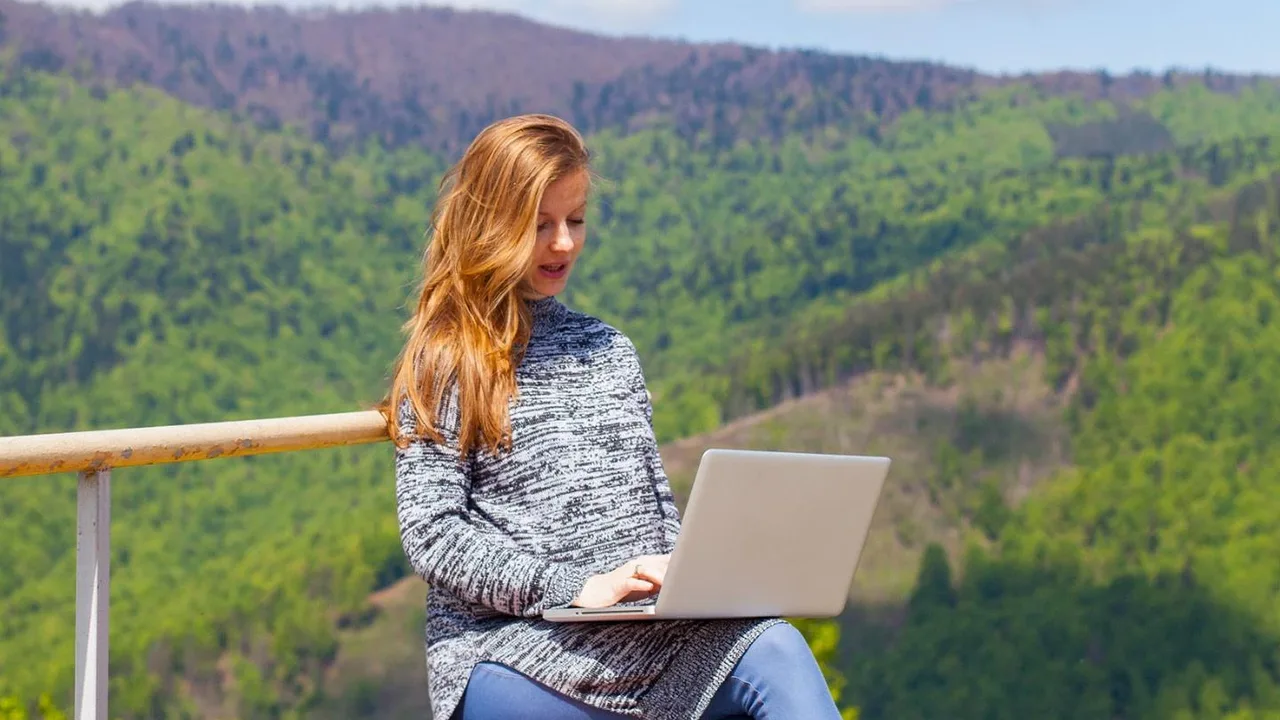
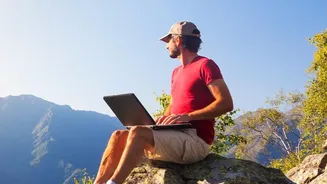
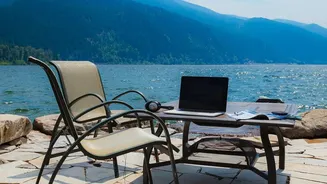
crisp mountain air, a slower pace of life, and the mental clarity that comes from being immersed in nature. This escape isn't about logging off; it's about logging on from a place that promotes well-being. Professionals report enhanced focus and creativity, finding that the serene landscapes are more conducive to deep work than a cramped city apartment. The opportunity to end a workday with a sunset stroll through a forest instead of a crowded commute is a powerful draw.
Breaking Down the Budget
A major driver of this trend is simple economics. The cost of living in Himachali towns is significantly lower than in major Indian cities. A 1BHK apartment in Manali or Dharamshala can be rented for ₹15,000–₹35,000 a month, a fraction of the cost in Mumbai or Bengaluru. Even co-living spaces, which include food, Wi-Fi, and cleaning, can be found for ₹25,000–₹40,000 per month. Daily expenses on food are also drastically reduced, with options to eat at local dhabas or cook with fresh, local produce. For many, a monthly budget of ₹30,000 to ₹40,000 is enough to live comfortably, covering rent, food, and local experiences. This affordability allows professionals to save more money while enjoying a higher quality of life.
Top Valleys for a Virtual Office
Different valleys cater to different workation styles. Dharamshala, particularly the areas of McLeod Ganj and Dharamkot, has become a hub for digital nomads, offering a vibrant community, numerous cafes, and a spiritual vibe. Manali, especially Old Manali and Vashisht, appeals to those seeking a blend of creative energy and adventure, with a lively social scene. For professionals who crave deep focus and solitude, the quieter Tirthan Valley and Jibhi are ideal, with charming wooden homestays and fewer distractions. Bir Billing, famous for paragliding, offers a unique mix of adrenaline and tranquility, attracting solo workers and adventure lovers.
The All-Important Connectivity Question
The biggest fear for any remote worker—spotty internet—has been largely addressed in Himachal's main hubs. Once a significant challenge, internet connectivity has improved dramatically. Major providers like Jio and Airtel have rolled out extensive fibre broadband networks in towns like Dharamshala, Manali, and Bir. It's now common to find homestays and coworking spaces offering speeds of 100-200 Mbps, which is more than sufficient for video conferences and large file transfers. While mobile data (4G and even 5G in some spots) serves as a reliable backup, it's always wise to confirm Wi-Fi stability and power backup options like inverters or generators with your host before booking.
A Lifestyle Upgrade
Beyond the work desk, a Himachali workation is a lifestyle upgrade. Weekends are no longer for recovering from a stressful week but for exploring. Professionals can go on treks to nearby villages, try paragliding in Bir, explore monasteries in McLeod Ganj, or simply relax by the Parvati River in Kasol. The movement encourages a healthier work-life balance, with physical activity and cultural immersion built into daily life. It’s an opportunity to connect with a community of like-minded individuals, learn new skills, and experience the local Himachali culture, from its food to its festivals.
The Reality Check
While the dream is appealing, a successful workation requires preparation. The weather in the mountains can be unpredictable, leading to occasional power cuts or internet disruptions, even in well-connected areas. Access to certain amenities, like specialized medical care or large shopping centres, is limited compared to cities. The off-season can also feel isolating for those accustomed to a bustling social life. Furthermore, the slower pace of life requires a high degree of self-discipline to stay productive without the structure of a traditional office environment. A successful mountain professional is one who plans for these challenges and embraces the self-reliance that comes with the territory.