




The Monsoon's Verdant Touch
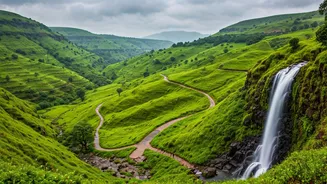
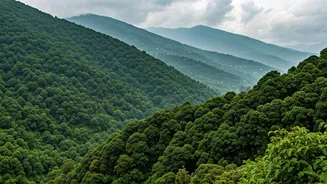
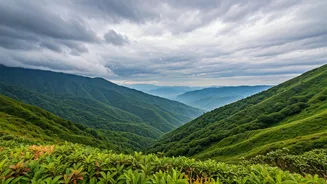
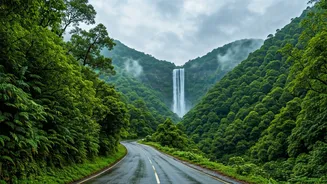
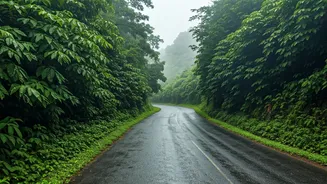
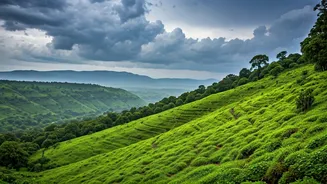
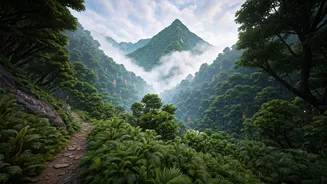
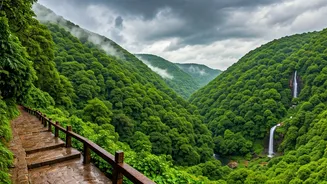
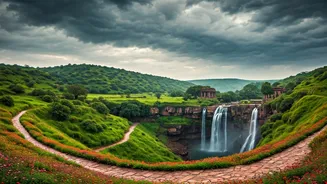
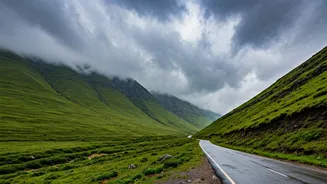
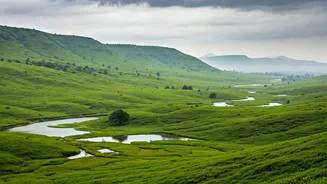
The best time to witness Saputara’s magic is undoubtedly during the monsoon, from July to September. The name Saputara, meaning 'Abode of Serpents', hints at its deep connection with nature, which is on full display during these months. The arid landscape
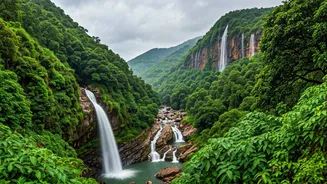
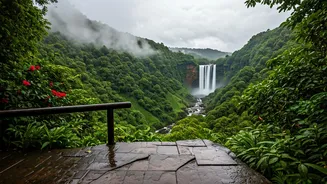
gives way to a lush, emerald carpet. Low-hanging clouds drift through the valleys, and the air grows cool and crisp. This is when seasonal waterfalls, like the magnificent Gira Falls, come to life. Located about 50 kilometres from the main town, Gira Falls is a powerful cascade that becomes a major attraction, drawing visitors to its thunderous beauty. The entire region feels refreshed and alive, making it an ideal escape from the city heat and a paradise for photographers and nature lovers.
A Deep Dive into Dangi Culture
Saputara is more than just scenic viewpoints; it is the heart of the Dangs district, home to vibrant tribal communities like the Bhils, Kunbis, and Warlis. To understand the soul of the region, a visit to the Saputara Tribal Museum is essential. The museum offers a fascinating glimpse into the lives of the local tribes, showcasing their traditional costumes, musical instruments, jewellery, and daily-use artifacts. Another cultural hotspot is the Artist Village, where you can watch artisans create traditional Warli paintings and intricate bamboo crafts. This is the perfect place to pick up an authentic, handmade souvenir and support the local community. These cultural experiences provide a rich counterpoint to the area's natural beauty.
Celebrating the Rains: The Monsoon Festival
To celebrate its most beautiful season, Saputara hosts the annual Monsoon Festival, a month-long extravaganza usually held between July and September. The festival is a vibrant showcase of local culture, featuring folk dances like the energetic Dangi Nritya, live music performances, and food stalls offering local delicacies. Adventure activities are also a key part of the festivities, with opportunities for boating on Saputara Lake, zip-lining, and rock climbing. The festival often includes workshops on traditional crafts like Warli painting and bamboo art, allowing visitors to engage directly with the region's artistic heritage. It’s a time when the entire hill station buzzes with energy, making it a particularly exciting period to visit.
Must-See Spots and Activities
Beyond the festival, Saputara offers a wealth of attractions. Take a ride on the Saputara Ropeway for a stunning bird's-eye view of the landscape, connecting key viewpoints. The ride offers panoramic vistas of the valley and the serene Saputara Lake below. For breathtaking views, head to Sunrise Point and Sunset Point (also known as Gandhi Shikhar), where you can watch the sky erupt in colour. Boating on the centrally located Saputara Lake is a peaceful activity, perfect for families and couples. For a bit of adventure, you can trek to Hatgadh Fort, an ancient fort located on the border of Gujarat and Maharashtra, which offers commanding views of the surrounding area.
Planning Your Monsoon Trip
Saputara is well-connected by road to major cities in Gujarat and Maharashtra. The nearest major city is Surat, about 160-170 km away, while Nashik is just 80 km away. The nearest railway station is Waghai, around 50 km away, but Bilimora offers better connectivity. The closest airports are in Surat and Nashik. When packing for a monsoon trip, essentials include rain gear, sturdy footwear with good grip, and a light jacket for the cool evenings. While the rain adds to the charm, it's wise to check weather updates, as heavy downpours can sometimes affect outdoor activities. With a little planning, a trip to Saputara during the monsoon promises a refreshing and culturally enriching experience.