


The New Grind: Beyond Tourism
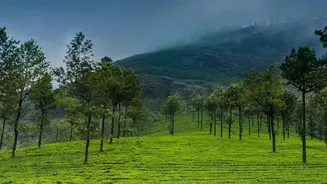
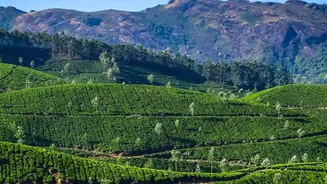
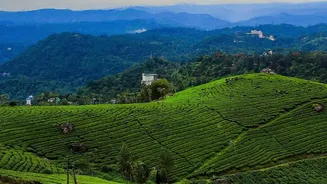
For years, Coorg, the ‘Scotland of India’, has been a sanctuary for travellers seeking respite amidst its rolling hills and lush coffee estates. But a significant shift is underway. The traditional model of tourism is evolving into something more permanent,
or at least, semi-permanent. The rise of remote work has given birth to the 'workation'—a blend of work and vacation—and Coorg has emerged as a prime destination. Homestays and resorts, once reliant on weekend tourists, are now offering long-term packages designed for professionals who want to trade their city cubicles for a desk with a view of a coffee plantation. This isn't just about a change of scenery; it's a fundamental change in how people are choosing to live and work, integrating their professional lives with the peaceful rhythm of estate life.
The Fiber Optic Revolution
The single most important catalyst for this transformation has been the arrival of high-speed internet. Previously, patchy mobile data made serious remote work in many parts of Coorg a frustrating dream. However, the steady expansion of fiber optic networks by providers like Jio and Airtel, alongside local operators, has been a game-changer. Stays are now advertising guaranteed high-speed Wi-Fi as a core amenity, with some promising speeds of 80 Mbps or more—more than enough for video calls and heavy data tasks. Dedicated co-working spaces have also begun to appear, such as The Steel Box in Ammathi, a cafe built from shipping containers in the middle of an estate offering fiber-backed internet, power backups, and a community of like-minded individuals. This digital infrastructure is the invisible thread connecting these tranquil plantations to the global economy.
A Day in the Life: Beans to Bandwidth
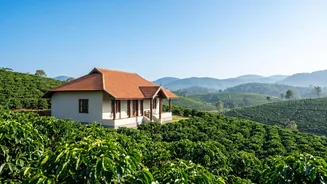
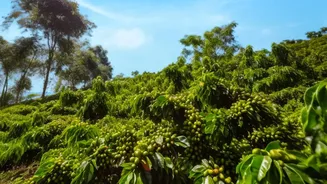
What does a workday look like in this new paradigm? It often begins with the mist rolling over coffee bushes and the sound of birds, not traffic. Professionals start their day on the veranda of a heritage bungalow or a modern homestay, coffee in hand—often grown just metres away. The workday is punctuated by walks through spice and coffee plantations, a dip in a nearby stream, or simply watching the rain from a sheltered perch. Evenings are for enjoying traditional Kodava cuisine, like the famous pandi curry, or connecting with other remote workers and hosts. This lifestyle offers a potent combination of productivity and relaxation, allowing for deep focus during work hours and genuine disconnection during breaks. It's a stark contrast to the back-to-back meetings and endless commutes of city life.
Local Economy and Cultural Shifts
The influx of digital nomads is creating new economic opportunities for the local community. For Coorg's estimated 800 registered and over 2,000 unregistered homestays, this trend provides a steady, year-round income stream, moving beyond the seasonal tourist rush. It stimulates demand for services, from local cafes and eateries to drivers and guides. However, this shift isn't without its complexities. The increased demand can lead to rising rental prices and a higher cost of living, potentially creating disparity between locals and the newly arrived professionals. There's a delicate balance for the community to strike: how to embrace the economic benefits of this new wave of residents while preserving the unique culture and environment that makes Coorg so attractive in the first place.