






Understanding Zone 2 Training
Often called 'conversational cardio', Zone 2 training refers to exercising at a low to moderate intensity, typically around 60-70% of your maximum heart rate. At this effort level, you should be able to hold a conversation without gasping for breath.
It's the sweet spot where your body becomes incredibly efficient at using fat for fuel instead of relying on more limited carbohydrate stores. This isn't about pushing to your absolute limit; it's about maintaining a steady, sustainable pace that builds a deep, resilient aerobic base. The goal is consistency over intensity, allowing for quicker recovery and more frequent training sessions.
The Science of a Stronger Heart
The magic of Zone 2 lies in what it does at a cellular level. This type of training stimulates the growth and efficiency of your mitochondria, the powerhouses of your cells. Over time, your body gets better at producing energy and clearing metabolic byproducts like lactate, meaning you can work harder for longer before feeling fatigued. For your heart, this is transformative. Regular Zone 2 sessions strengthen the heart muscle, allowing it to pump more blood with each beat. This improved cardiac output means your resting heart rate can decrease, a key indicator of cardiovascular fitness and overall health.
Why Rowing Is the Perfect Fit
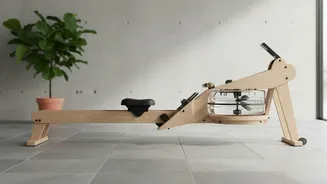
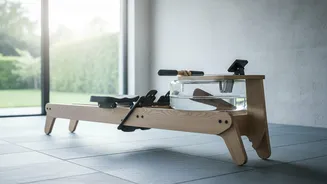
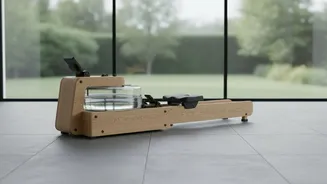
While you can do Zone 2 training with many activities, rowing is uniquely suited for the task. It's a full-body workout that engages over 80% of your muscles—including your legs, core, back, and arms—in a single, fluid motion. This distributes the effort across your entire body, making it easier to sustain the workout for longer periods. Most importantly, rowing is a low-impact exercise. Because you're seated, you avoid the jarring stress on your knees, hips, and ankles that can come with high-impact activities like running. This makes it an exceptionally safe and sustainable choice for people of all ages and fitness levels, especially those with joint concerns.
Finding Your Personal Zone 2
To get started, you need to estimate your Zone 2 heart rate. The most common method is to first calculate your maximum heart rate (MHR) using the formula 220 minus your age. Your Zone 2 range will then be 60-70% of that number. For example, a 40-year-old would have an estimated MHR of 180, making their Zone 2 range approximately 108-126 beats per minute (BPM). Another simple approach is the 'talk test': you should be able to speak in full sentences while rowing. If you're breathing too heavily to chat, you're likely working too hard. If it feels too easy, pick up the pace slightly. Wearable fitness trackers can make monitoring your heart rate simple and accurate.
Your First Zone 2 Rowing Workout
A typical Zone 2 session should last between 30 and 90 minutes. For beginners, starting with 30-45 minutes two to three times a week is a great goal. A sample workout would look like this: Begin with a 5-minute warm-up of light rowing to gradually increase your heart rate. Then, settle into a steady pace that keeps your heart rate within your calculated Zone 2 range. Focus on maintaining proper form: drive with your legs, pivot your torso, and then pull with your arms. The recovery is the reverse. Maintain this steady pace for 20-35 minutes. Finally, end with a 5-minute cool-down, rowing slowly to bring your heart rate back down. The key is to resist the urge to sprint; the benefits come from sustained, steady effort.