




The Power of Peak Freshness
The most significant advantage of home cooking is your direct control over ingredients. A starter's flavour profile is heavily dependent on the quality and freshness of its components. Think about the vibrant punch of freshly ground ginger-garlic paste
compared to the muted notes of a store-bought jar. The volatile oils in spices, the bright zest in herbs like coriander and mint, and the natural sweetness of fresh vegetables are all at their peak a few moments after being prepped. Commercial kitchens, for consistency and scale, often rely on pre-chopped, frozen, or preserved ingredients. While efficient, this process invariably leads to a loss of those delicate aromatic compounds that make a dish truly sing. When you make a hariyali kebab at home with mint and coriander plucked just moments ago, you're tasting those herbs in their most potent, flavourful state.
You Are the Flavour Master
No one knows your palate better than you. When you cook at home, you become the head chef, tailoring every element to your exact preference. Want your dahi ke kebab extra tangy? You can adjust the yogurt. Prefer your chilli chicken with a fiery kick rather than a sweet glaze? You control the ratio of sauces and spices. This level of customisation is a luxury rarely afforded in a restaurant, where dishes are designed to appeal to a broad average. For families, this is even more crucial. You can dial down the spice for children, accommodate allergies, or reduce oil and salt for health-conscious members without sacrificing the core essence of the dish. This ability to fine-tune a recipe turns a good starter into a perfect one for you and your guests.
The Sizzle Science You Control
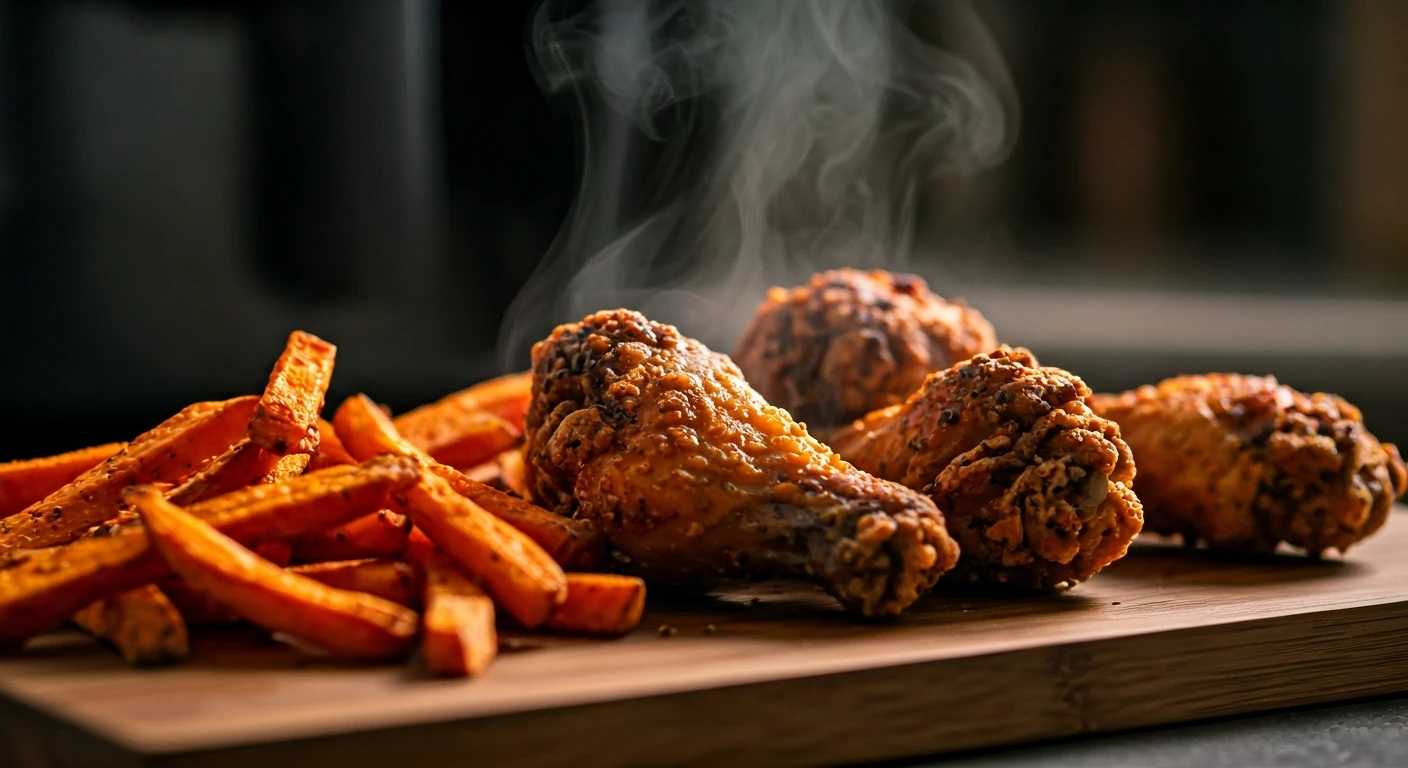
There’s a delicious science behind that golden-brown crust on a fried snack or the perfect char on a tandoori mushroom, and at home, you can perfect it. This is thanks to the Maillard reaction and caramelization—chemical processes that create hundreds of new flavour compounds. When you pan-sear a galouti kebab, the proteins and sugars in the meat react to heat, developing a deep, savoury complexity. In a busy restaurant kitchen, starters might be pre-cooked and quickly reheated, or fried in oil that’s been used for multiple batches, which can prevent that perfect crust from forming. At home, you have the patience and focus to manage the heat precisely, ensuring your samosa pastry is flawlessly crisp and golden, not greasy or unevenly cooked. You are giving the food the time and attention it needs for flavour to fully develop.
The Secret Ingredient: Effort and Love
This isn't just a cliché; it's backed by psychology. Researchers call it the "IKEA effect": we place a higher value on things we've helped create. The effort you invest in chopping, marinating, and cooking a dish translates into a richer, more satisfying tasting experience. Your brain perceives the food as more special because you are intimately aware of the care that went into it. Furthermore, the act of cooking for others is an expression of care. When you serve a platter of hot starters to friends and family, the food becomes a medium for connection and affection. That shared joy and appreciation amplify the sensory experience, making every bite taste better because it’s infused with positive emotions and shared memories.
No Shortcuts, Just Pure Flavour
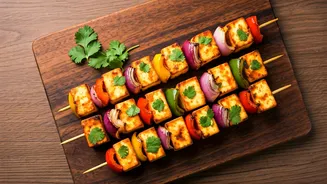
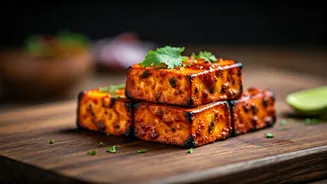
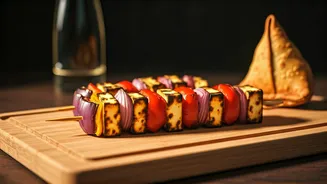
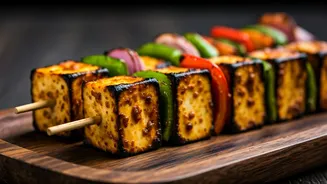
To maintain speed and cost-effectiveness, commercial kitchens sometimes take shortcuts that compromise flavour. This can include using MSG or artificial flavour enhancers to create an illusion of depth, or relying on ready-made sauces and marinades that often contain preservatives and a homogenized taste. Home cooking, by contrast, is about building flavour from the ground up. You create a marinade for your paneer tikka with individual spices, fresh yogurt, and lemon juice. You make a chutney from scratch, balancing sweet, sour, and spicy notes yourself. This dedication to process results in a flavour that is more complex, authentic, and clean. You're tasting the actual ingredients, not a manufactured approximation of them. That honesty in flavour is perhaps the most profound reason homemade will almost always win.