




A Divine Thanksgiving Meal
Bonalu, celebrated throughout the month of Ashada Masam (typically July and August), is a profound thanksgiving festival dedicated to the Goddess Mahakali. Its origins trace back to 1813, when a devastating plague swept through Hyderabad and Secunderabad.
According to tradition, a military battalion stationed in Ujjain prayed to the Mahakali temple there, vowing to honour the Goddess if she saved their city. When the plague subsided, they fulfilled their promise, establishing a tradition of offering a sacred meal as thanks—a practice that has since become the soul of Telangana's cultural identity. The festival’s very name is derived from the Telugu word 'Bonam', a variation of 'Bhojanam', which means meal or feast. This connection highlights that from its inception, food was destined to be at the heart of the celebration.
The Sacred Bonam Offering
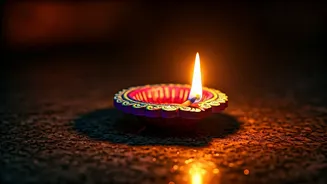
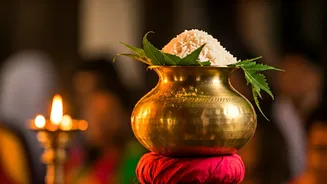
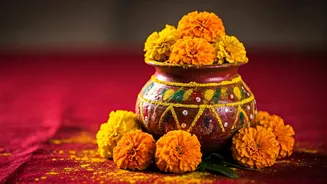
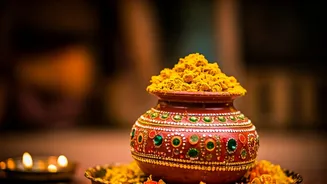
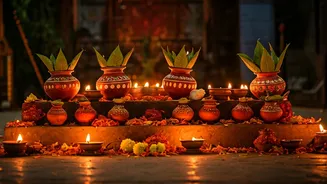
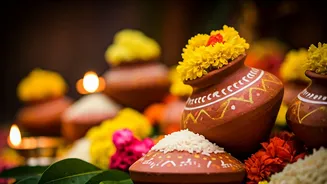
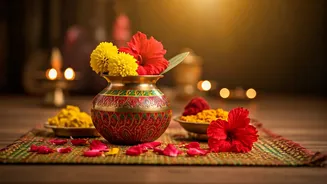
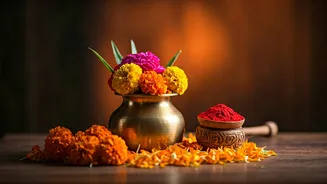
The centerpiece of the entire festival is the Bonam itself. This is no ordinary dish; it is a meticulously prepared offering carried by women to the temples. In homes across the state, rice is cooked with milk and jaggery in a new brass or earthen pot. This pot is then sanctified and decorated with auspicious symbols: smeared with turmeric, adorned with vermilion (kumkum), and garlanded with neem leaves, which are believed to have purifying properties. A lit lamp is often placed on top of the pot, symbolizing an offering of light and life. Balancing these pots on their heads, women form processions and walk to the temples, a powerful and public act of devotion. Upon arrival, the Bonam, along with sarees and bangles, is offered to various forms of the Goddess, such as Yellamma, Pochamma, or Mysamma.
The Palaharam Bandi Procession
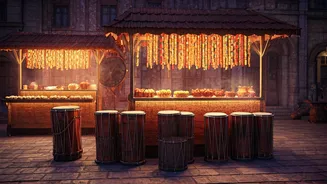
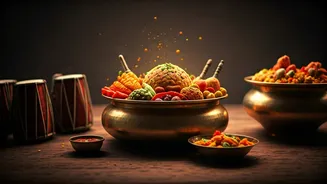
Beyond the individual Bonam offering, the festival showcases a grander culinary procession known as the 'Palaharam Bandi'. Translating to a cart ('bandi') of delicacies ('palaharam'), this tradition brings the community's offerings together. Families prepare an array of festive foods at home and load them onto decorated carts to be taken to the temple. Leading this vibrant procession is the Pothuraju, considered the brother of the Goddess. A well-built man, his body anointed with turmeric and forehead marked with vermilion, dances energetically to the beat of drums, lashing a whip to clear the path and protect the sacred offerings. The Palaharam Bandi is a moving feast, a visual and sensory spectacle that transforms neighbourhood streets into avenues of collective faith.
A Feast for Family and Community
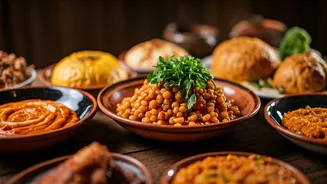
The religious rituals are followed by joyous feasting that cements social and familial bonds. After the offerings are made to the Goddess, the blessed food, or 'prasadam', is shared among family members and guests. The Bonalu feast is distinct from many other Hindu festivals in that non-vegetarian dishes often take centre stage. Traditional Telangana specialities like 'Golichina Mamsam' (spicy mutton fry), fiery mutton pulusu (curry), and chicken dishes are enjoyed with gusto. These savoury preparations are balanced by sweets, with 'bellam annam' (jaggery rice) being a simple, traditional dessert offered during the celebrations. This sharing of food, from the temple offering to the family dining table, reinforces the idea that Bonalu is as much about community connection as it is about divine communion.