



The Evening and Morning Planets
Your planetary viewing is split between the evening and early morning. After sunset, look to the western sky to spot the brilliant planet Venus, which will be at its highest point above the horizon. It serves as a stunningly bright beacon in the evening twilight.
For early risers, the pre-dawn sky offers a richer gathering. Mars is visible before sunrise, and while it's not at its brightest, it remains a distinct reddish point of light. Saturn is another naked-eye target, rising in the east and remaining visible for much of the night. Jupiter and Mercury will be very low on the eastern horizon just before sunrise, presenting a challenge for observers without a clear view. A conjunction, or close approach, of Jupiter and Mercury occurs around August 15, making it a rewarding sight for those with an unobstructed eastern horizon.
The Lingering Perseid Meteors
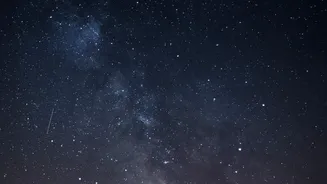
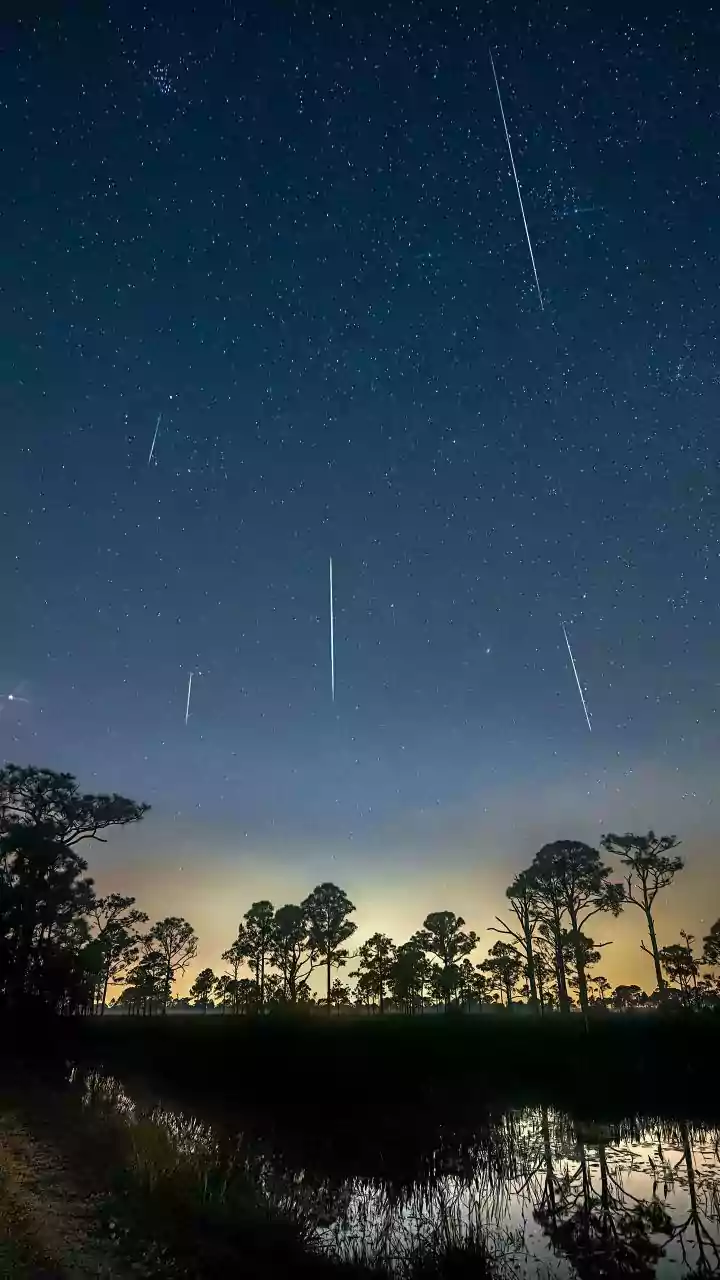
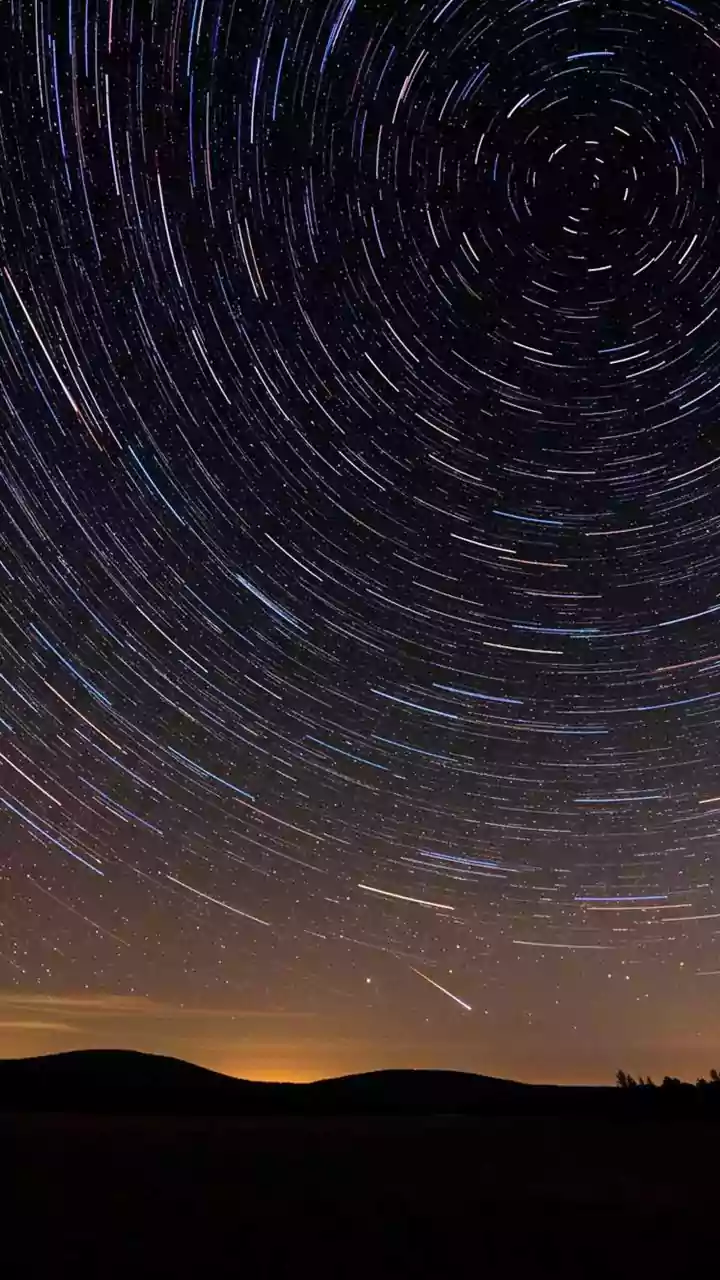
While the spectacular peak of the Perseid meteor shower occurred around August 12-13 under ideal moonless conditions, the shower remains active until the end of the month. The Perseids are known for producing bright, fast meteors, and you still have a chance to see stray shooting stars. The number of meteors will be significantly lower than during the peak, but a patient observer in a dark location, far from city lights, could still be rewarded. For your best chance, look towards the northeastern sky in the hours after midnight until dawn. The main challenge for many in India remains the monsoon, which can bring cloud cover. Observers in drier, high-altitude regions like Ladakh or the rain-shadow areas of Rajasthan will have a better chance of clear skies.
A Partial Lunar Eclipse
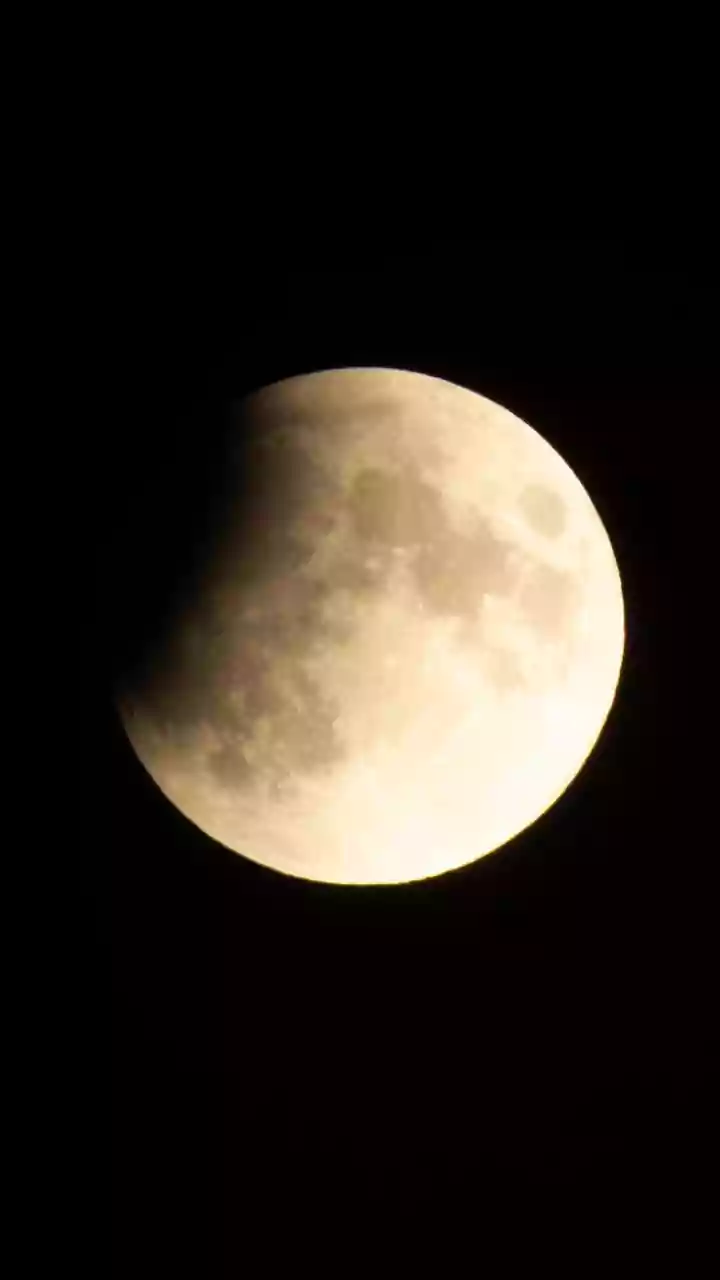
Mark your calendars for the night of August 27-28 for a significant partial lunar eclipse. During this event, a large portion of the Full Moon will pass through the Earth's darkest shadow, the umbra. This will cause a noticeable section of the Moon to darken, taking on a reddish or copper hue, while the rest remains illuminated. The eclipse will be visible across India, offering a beautiful and easily observable event for everyone, with no special equipment needed. The deepest part of the eclipse, when 93% of the moon's surface will be in shadow, occurs around midnight.
The Summer Triangle and Milky Way
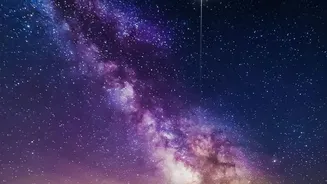
Late August is an excellent time to spot some of the most prominent constellations of the summer sky. High overhead, look for the Summer Triangle, an unmistakable asterism formed by three of the brightest stars in the sky: Vega (in the constellation Lyra), Deneb (in Cygnus), and Altair (in Aquila). These stars are so bright they can be seen even from light-polluted urban areas. If you find yourself under truly dark, clear skies, you will be looking directly into the plane of our own galaxy. The Milky Way arches across the sky, with its bright core visible in the constellations of Sagittarius and Scorpius, low in the southern sky. Scorpius is easily identifiable by its hook shape and the bright, reddish star Antares, which marks the scorpion's heart. On August 20, the waxing gibbous moon will appear very close to Antares in the evening sky.
A Challenge for Binoculars
For those with a pair of binoculars or a small telescope, late August offers a chance to hunt for a deeper celestial treasure. High in the southern sky lies the Dumbbell Nebula (also known as Messier 27) in the small constellation of Vulpecula. It is one of the brightest and most impressive planetary nebulae in the sky. To the naked eye, it's invisible, but through binoculars, it appears as a small, faint, greyish patch of light. A small telescope will begin to reveal its distinctive double-lobed or hourglass shape. Its position high in the August evening sky makes this an ideal time to try and spot this ghost of a dying star from a dark location.