






From Heat to Harmony
For decades, the ghost pepper, the Guntur chilli, and countless other fiery varieties have been the undisputed champions of intensity in Indian cuisine. The searing heat of a good vindaloo or a spicy Kolhapuri curry was often the benchmark for a dish's
boldness. This focus on piquancy, while delicious, sometimes overshadowed the other five essential tastes that ancient Ayurvedic principles identified as crucial for a balanced meal: sweet, sour, salty, bitter, and astringent. While chilli has a permanent and beloved place on the Indian palate, a new generation of chefs is arguing that true boldness comes not just from heat, but from harmony. They are finding that complexity by looking beyond the chilli plant and embracing its traditional counterpart: acidity.
The Rise of a Tangy New Language
Acidity in food is not a new concept; it has been a cornerstone of regional Indian cooking for centuries. What’s new is its prominence in modern, pan-Indian restaurant menus. Chefs are realising that a well-placed sour note can do what chilli alone cannot: it can cut through richness, brighten heavy dishes, and make all the other spices in a masala blend pop. A squeeze of lime, a spoonful of tamarind, or a pinch of a souring powder doesn't just add tang; it makes the entire dish taste more vibrant and alive. This shift is moving Indian food away from a one-dimensional focus on heat and towards a multi-layered experience where every flavour has a role to play, creating dishes that are both exciting and exquisitely balanced.
Rediscovering the Sour Pantry
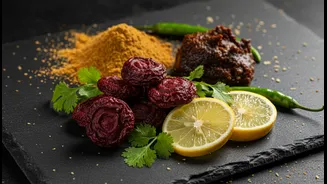
The tools for this acidic renaissance have been hiding in plain sight, tucked away in regional kitchens and family recipe books. Tamarind, with its sharp, pungent sourness, has long been the star of South Indian dishes like sambar and rasam. In the West, particularly in Goan and Konkani cuisine, the milder, fruitier notes of kokum are used to complement seafood and coconut milk. In the North, amchur (dried mango powder) provides a concentrated, dry tanginess perfect for spicing up chaat or finishing a dry sabzi without adding unwanted moisture. Beyond these, a whole host of regional souring agents are being rediscovered, from the kachampuli vinegar of Coorg to the wild berries of Rajasthan and the hog plums used in Goa. Even non-traditional ingredients like balsamic and apple cider vinegar are finding their way into marinades and dressings, adding yet another layer to this expanding flavour palette.
Why the Shift is Happening Now
Several factors are driving this tangy trend. Firstly, Indian diners are more globally exposed and curious than ever before, developing palates that appreciate complexity over sheer force. Secondly, there is a growing movement among chefs to return to their roots, exploring the rich biodiversity of India’s regional produce. This has led to a celebration of hyper-local ingredients that were previously overlooked by the mainstream. Finally, there's a deeper culinary understanding at play. As chefs study both ancient Indian culinary philosophy and modern cooking techniques, they recognize acidity not as just another taste, but as a fundamental tool for flavour balancing. It is a way to create dishes that are not just hot, but are interesting, memorable, and leave you wanting more.