


The sealed bottle of water you buy is supposed to be an assurance of safety. But recent action by India's food regulator suggests a closer look is needed, putting the entire packaged water industry under the scanner.
A Crackdown on Contaminants
The Food Safety and Standards Authority
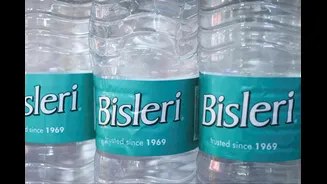
of India (FSSAI) has sanctioned prosecution against Bisleri International, a household name, after a sample was declared unsafe. The issue dates back to a batch from September 2025, where a sample was first found to contain bromate, a disinfection byproduct, above permissible limits. Upon appeal, a referral lab also deemed it unsafe, this time citing the presence of polynuclear aromatic hydrocarbons (PAHs), which are considered a public health concern. This single case has triggered a wider investigation, with the FSSAI now collecting samples from all major brands across the country to ensure compliance.
Understanding the Health Risks
The contaminants flagged by the FSSAI are not to be taken lightly. Bromate can form during the ozonation process used to disinfect water. While exposure to the levels found is not an immediate emergency, long-term ingestion of bromate is linked to potential kidney and thyroid issues. PAHs are a group of chemicals that can be toxic and carcinogenic. Indian standards mandate that PAHs should not be detectable in packaged drinking water. These findings highlight why strict regulatory checks are crucial, as consumers cannot see or taste such chemical contaminants.
A Widespread and Recurring Issue
While the action against a major brand has made headlines, the issue of substandard packaged water is not new. Data submitted in Parliament revealed that in 2023-24, over 25% of enforcement samples of packaged drinking water failed to meet standards. In the previous year, 650 out of 1,776 samples were found to be non-compliant. In another instance, surveillance audits in Uttar Pradesh found a staggering 78% of collected packaged water samples were unsafe or substandard, leading to the suspension of licenses for over 150 manufacturing units. These figures show a persistent problem with quality control across the industry.
The Brand's Response and Broader Scrutiny
Bisleri has maintained that its water is safe for consumption, stating the issue was with one of six samples from a single batch made over a year ago. The company noted that subsequent independent tests found bromate within limits and that the affected batch is no longer in the market. It also highlighted its own stringent quality checks. However, the FSSAI's decision to prosecute and widen its investigation to all brands—including competitors like PepsiCo's Aquafina and Coca-Cola's Kinley—shows the regulator is taking a serious, industry-wide stance on compliance.
How to Be a Smarter Consumer
With trust in packaged water shaken, consumers are right to be cautious. The first line of defence is the label. Always check for a valid FSSAI license number. While the mandatory Bureau of Indian Standards (BIS) mark was removed in 2024, the FSSAI has its own stringent testing scheme in place since January 2026. Ensure the bottle's seal is intact and not tampered with. Look at the manufacturing and 'best before' dates. Be wary of unfamiliar brands or bottles with damaged or poorly printed labels, as these can sometimes be signs of counterfeit products. If the water has any unusual taste, odour, or appearance, do not consume it.