

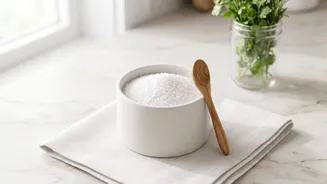
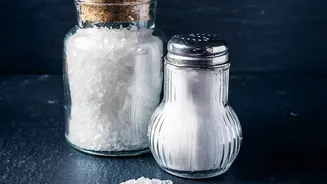

The Problem: India's High Salt Intake
On average, Indians consume between 8 and 11 grams of salt daily, which is roughly double the World Health Organization's recommended limit of 5 grams per day. This high sodium intake is a primary driver of hypertension, or high blood pressure, which affects
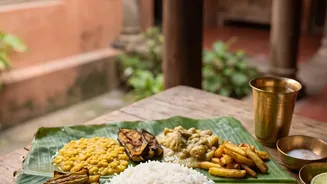
nearly 200 million people in the country. High blood pressure, in turn, significantly increases the risk of cardiovascular diseases like heart attacks and strokes, which are among the leading causes of death in India. Unlike in many Western countries where most sodium comes from processed foods, nearly 80% of sodium in the Indian diet is added during cooking at home. This makes household-level changes a powerful target for public health intervention.
The Proposal: A 'Dietary Vaccine'
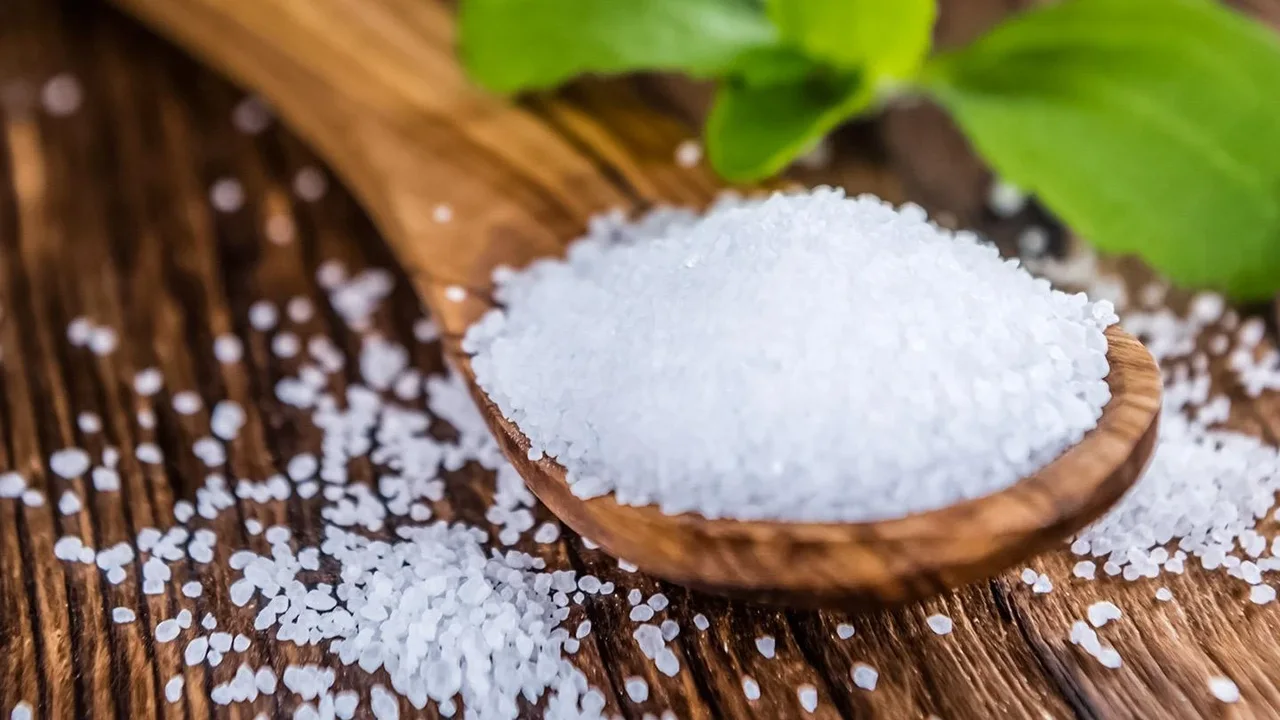
In response to this health crisis, a panel of Indian medical experts has endorsed a move toward low-sodium salt substitutes (LSSS). These products are not entirely new but are being framed as a crucial public health tool. Typically, LSSS involves replacing 15-30% of the sodium chloride in regular salt with potassium chloride. The result is a salt that looks and tastes similar but reduces sodium intake while increasing potassium, a mineral known to help lower blood pressure. Experts, including those at a conference hosted by The George Institute for Global Health, have referred to this switch as a 'dietary vaccine'—a passive intervention that could provide constant cardiovascular protection without asking people to sacrifice taste.
The Affordability Hurdle
The most significant barrier to widespread adoption is cost. Currently, lower-sodium salts cost two to four times more than regular iodised salt. The main reason for the high price is potassium chloride, a key ingredient that is largely imported and accounts for up to 75% of the production cost. While some experts argue the additional cost per person per day is manageable, for a large portion of the population, even a small price increase for a staple commodity can be a dealbreaker. Studies have shown that cost is a major discouraging factor for consumers. To address this, proponents suggest government interventions like reducing the GST on these salts or providing production subsidies to make them more affordable for everyone.
The Availability Challenge
Even if the price were lower, getting lower-sodium salt onto kitchen shelves across the country would be a massive logistical challenge. At present, the market for LSSS is tiny, making up just 0.4% of India's edible salt market. Availability is heavily skewed towards major metropolitan areas like Delhi, Mumbai, and Bengaluru, with almost no presence in smaller towns or rural areas. Creating a nationwide supply chain for a new type of salt would require significant investment and coordination, mirroring some of the challenges seen in programmes for other fortified foods like Double-Fortified Salt (DFS) with iron. Experts recommend incorporating LSSS into government food procurement for programmes like the mid-day meal scheme and the public distribution system (PDS) to help normalise its use and build scale.
What Happens Next?
The proposal is currently a consensus recommendation from experts and not yet a government policy. The path forward involves several steps laid out in a white paper on the topic. This includes getting potassium-enriched salt officially recognised as an 'edible salt' category by the Food Safety and Standards Authority of India (FSSAI) and launching public awareness campaigns. It also requires training healthcare professionals, as many doctors still advise patients to simply 'eat less salt' rather than consider a switch. While there is strong scientific evidence supporting the benefits, turning this proposal into a reality will require political will, regulatory changes, and careful planning to ensure the solution is both accessible and affordable for all Indians.