





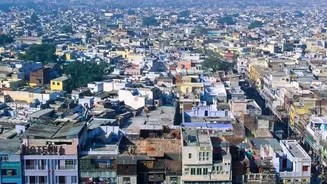
While headlines often focus on e-commerce, a different retail story is unfolding across India. Major department stores are aggressively expanding, not in the crowded metros, but in regional capitals. This isn't a retreat, but a strategic advance.
The Search for New Growth Frontiers
For years,
the playbook for premium retail in India was simple: open flagship stores in Mumbai, Delhi, Bengaluru, and Chennai. But these Tier-1 markets are becoming victims of their own success. High rents, intense competition, and market saturation are making profitable growth increasingly difficult. According to a report from Knight Frank India, Tier-1 cities are constrained by ageing retail infrastructure and a lack of quality space, with some older malls even becoming 'ghost malls' with high vacancy rates. In contrast, regional capitals and Tier-2 cities represent a vast, relatively untapped market. These cities have smaller organized retail bases, offering greater headroom for new supply and a clearer path to profitability for brands willing to venture beyond the traditional hubs.
The Rise of the Aspirational Tier-2 Consumer
The primary driver of this expansion is the changing face of the Indian consumer in regional hubs. A decade of economic growth, digital penetration, and improved infrastructure has created a burgeoning middle class in cities like Chandigarh, Lucknow, Jaipur, and Pune. This new consumer is aspirational, connected, and has rising disposable income. Data shows that the gap between rural and urban spending is narrowing, with non-food discretionary spending on the rise across the board. Consumers in these cities, exposed to global brands and trends via smartphones and social media, are eager for the same premium shopping experiences once exclusive to metros. Recognizing this, retailers like Shoppers Stop are moving into cities like Jhansi and Bareilly, focusing on premiumisation to meet this growing demand.
Better Infrastructure Makes Expansion Viable
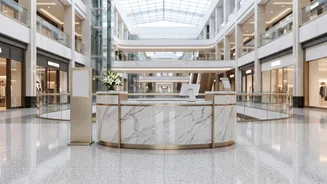
This retail migration wouldn't be possible without a corresponding upgrade in urban infrastructure. Government initiatives like the Smart Cities Mission, coupled with massive investment in new highways, airports, and modern logistics, have made Tier-2 cities more accessible than ever. This has a dual benefit for retailers. Firstly, it ensures a smoother supply chain, making it easier to transport goods and manage inventory. Secondly, it has spurred the development of high-quality, Grade-A retail real estate. Since 2020, Tier-2 cities have added more than three times the amount of Grade-A retail space as their Tier-1 counterparts. These new, modern malls offer better operational efficiency and are designed to provide the experiential shopping environment that today's consumers demand.
The 'Phygital' Advantage
In the modern retail landscape, physical stores and e_commerce are no longer competitors but partners in a 'phygital' (physical + digital) strategy. Department stores are leveraging this synergy in their Tier_2 expansion. New physical locations act as powerful brand billboards, building trust and awareness in a new market. They also serve as experience centers where customers can touch, feel, and try products before buying. Furthermore, these stores double as micro_fulfillment hubs for online orders, enabling faster delivery and services like 'click_and_collect'. This integrated model enhances the customer experience, allowing shoppers to browse online and pick up in_store, or visit a store and order from a wider digital catalog. This omnichannel approach is crucial for capturing and retaining the modern Indian shopper who moves seamlessly between online and offline worlds.
A More Favourable Business Case
Ultimately, the decision to expand into regional capitals is rooted in solid financial logic. Compared to metros, the cost of doing business in Tier_2 cities is significantly lower. Real estate, both for retail space and warehousing, is more affordable, and operational costs like staffing are also reduced. This allows department stores to achieve profitability more quickly. While average transaction values may be lower than in a top_tier metro, the combination of lower costs, growing consumer demand, and less competition creates a compelling business case. For retailers, the equation is simple : regional capitals offer the most balanced combination of growth potential and financial viability in India's evolving retail market today.