




Embrace Warming Spices
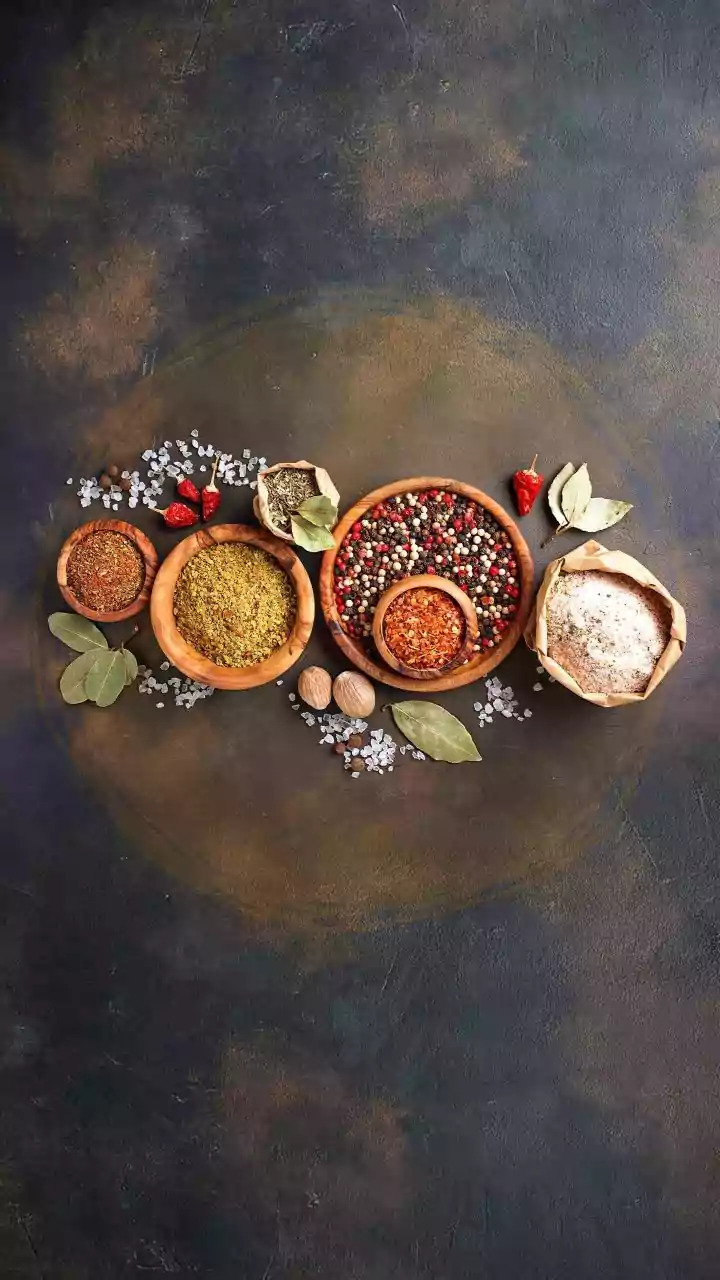
Spices are at the heart of Indian cooking, and during the monsoon, they become even more crucial. Ginger, turmeric (haldi), garlic, and black pepper are excellent choices. Ginger is known to aid digestion and soothe sore throats, making a cup of ginger
tea a perfect rainy-day beverage. Turmeric, with its active compound curcumin, has powerful anti-inflammatory and immunity-boosting properties. A glass of warm turmeric milk before bed is a timeless remedy for strengthening the bodys defences. Garlic contains compounds known for their antibacterial and antiviral effects, helping your body fight off common seasonal infections. Incorporating these spices into your daily dals, curries, and soups is an easy way to support your system.
Opt for Light, Cooked Vegetables
While leafy greens are generally healthy, during the monsoon they can carry more dirt and germs, making them risky if not cleaned and cooked properly. Instead, turn to seasonal vegetables that are light and easy to digest. Gourds such as bottle gourd (lauki), ridge gourd (turai), and bitter gourd (karela) are ideal. Bitter gourd, in particular, is valued for its antiviral and antibacterial properties. Steamed or lightly cooked vegetables are preferable to raw salads, as warm food is easier on the digestive system, which can be weaker during this season according to Ayurveda. Simple, home-cooked meals like vegetable stews are nourishing choices.
Sip on Warm Soups and Broths
Theres nothing quite like a warm bowl of soup on a rainy day. Beyond being comfort food, soups are highly beneficial for monsoon wellness. They are hydrating, easy to digest, and can be packed with nutrients. A simple moong dal soup, a mixed vegetable broth, or a light chicken broth helps maintain energy levels and strengthens resistance. These warm preparations support your digestive fire, or 'Agni', which is believed to be weaker during the Varsha Ritu (monsoon season). Avoid cold beverages and instead opt for these nourishing, warm liquids to keep your system running smoothly.
Enjoy Gut-Friendly Probiotics
A healthy gut is foundational to a strong immune system. Probiotic-rich foods like homemade curd (yoghurt) and buttermilk (chaas) help maintain a healthy balance of gut bacteria. However, its advisable to consume them during the day and avoid them at night. Using fresh, homemade curd is often recommended over store-bought varieties to ensure freshness and avoid potential contamination. Adding a pinch of black pepper or roasted cumin powder to your buttermilk can also help balance its cooling properties, making it more suitable for the season.
Choose Seasonal Fruits Wisely
Fruits are essential for their vitamin and antioxidant content. Good choices for the monsoon include jamun, pears, plums, cherries, and pomegranates. Jamun is a classic monsoon fruit known to be rich in iron and vitamins. Pears and pomegranates are also excellent for boosting immunity. Its best to consume whole fruits rather than pre-cut ones sold by street vendors, as they carry a higher risk of contamination. Fruits like amla (Indian gooseberry), one of the richest sources of Vitamin C, are particularly beneficial for strengthening the bodys defences against infection.
Stay Hydrated with Herbal Teas
Proper hydration is key, but its wise to be cautious about your water source during the monsoon. Drinking boiled or filtered warm water is the safest way to prevent waterborne infections. Replacing cold, carbonated drinks with warm herbal teas is an excellent choice. Teas made with tulsi (holy basil), ginger, cinnamon, or lemon not only keep you hydrated but also provide antioxidants that help fight infections and improve digestion. A warm cup of herbal tea can be a soothing and health-promoting daily ritual during the rains.