


A Health and Wellness Awakening
The primary driver of this shift is a collective health awakening. Young professionals, increasingly conscious of what they consume, are scrutinizing nutrition labels and questioning the health halos of Western breakfast cereals. Many cereals are ultra-processed,
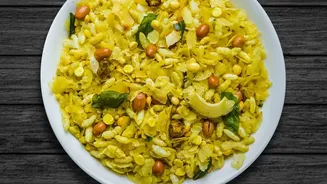
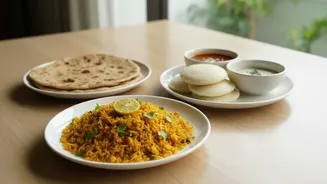
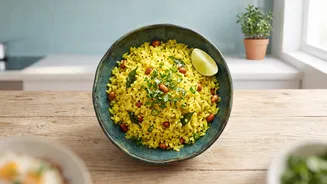
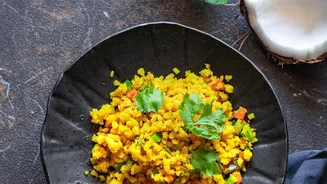
high in sugar, and low in the kind of nutrients that provide sustained energy. In contrast, traditional Indian breakfasts are gaining recognition for their wholesome profiles. A simple plate of poha, made from flattened rice, is rich in healthy carbohydrates, low on the glycemic index, and a good source of iron. When tossed with vegetables and peanuts, it becomes a balanced meal. This move is part of a larger trend where young Indians are focusing on holistic wellness and preventive health, choosing foods that nourish rather than simply fill.
The Gut-Friendly Advantage
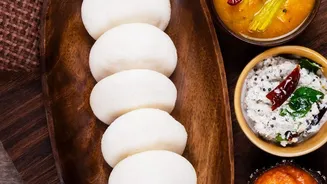
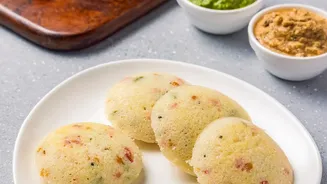
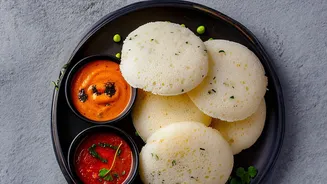
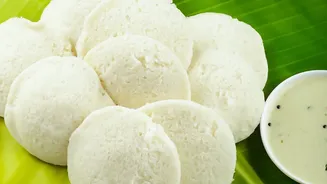
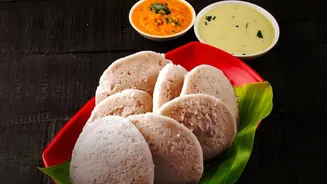
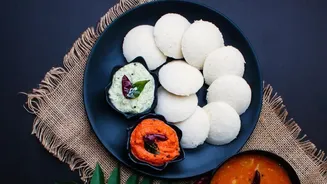
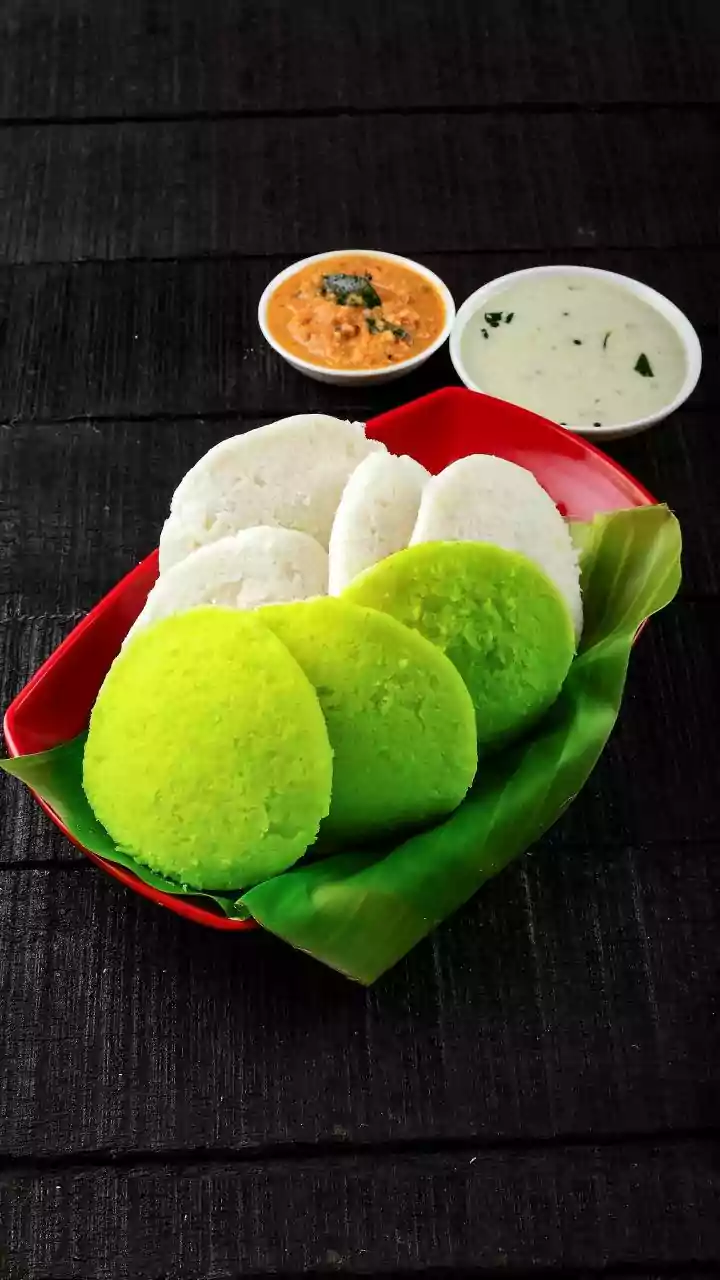
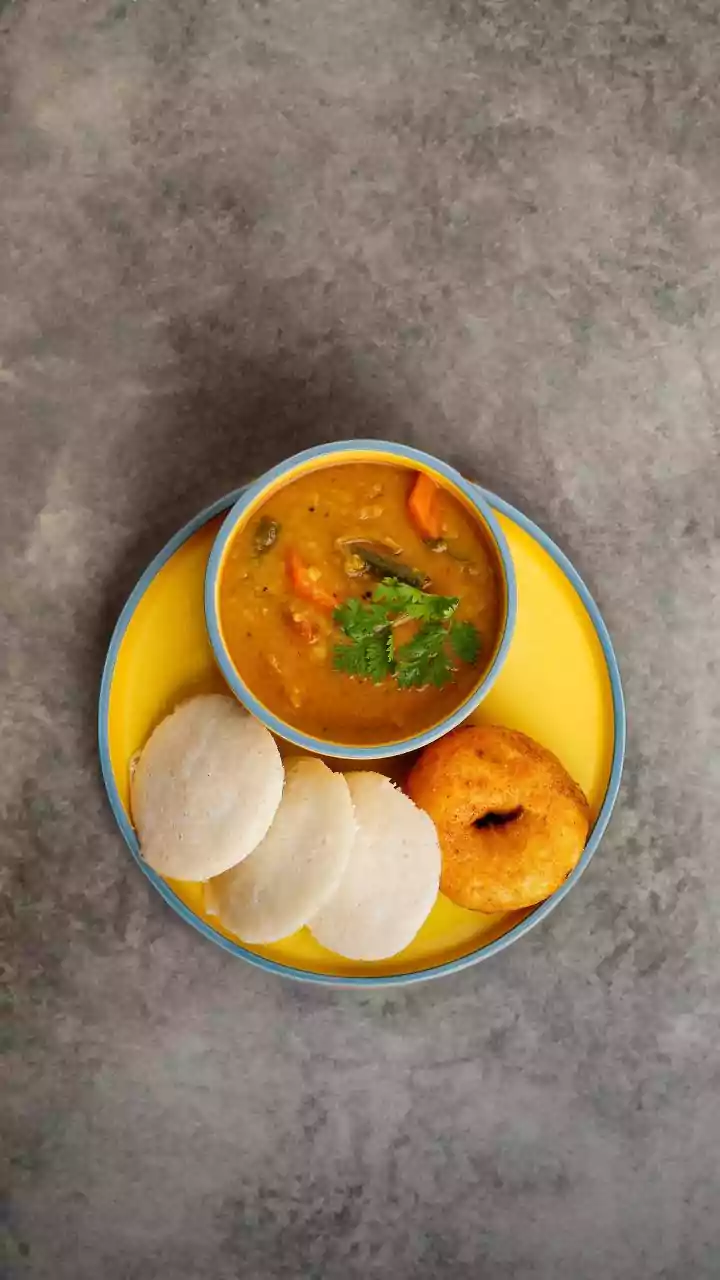
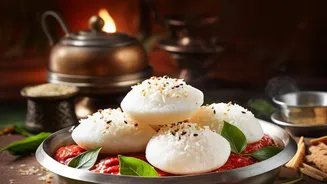
Gut health has become a major focus of wellness conversations, and this is where dishes like idli shine. Made from a fermented batter of rice and urad dal, idlis are a natural source of probiotics. These beneficial bacteria are crucial for good digestion, nutrient absorption, and even a stronger immune system. Unlike processed foods that can be harsh on the digestive system, steamed idlis are light and easy to digest, providing energy without the sluggish feeling that often follows a heavy meal. This focus on fermented foods represents a deeper understanding that a healthy gut is foundational to overall well-being, a concept long embedded in Indian culinary traditions.
Reconnecting with Cultural Roots
Beyond the nutritional science, there's a powerful emotional and cultural pull. For many young professionals living in cities away from home, a warm plate of poha or idli is a taste of comfort and nostalgia. It’s a connection to family, heritage, and a culinary identity that was momentarily overshadowed by global food trends. This 'return to roots' is not just about food; it's a broader cultural shift. As young Indians gain global exposure, there is also a growing appreciation for the richness of their own traditions. Choosing a traditional breakfast is a small but significant way to reclaim and celebrate that identity in a modern, urban context.
Convenience Gets a Traditional Makeover
For the longest time, the trump card for breakfast cereals was convenience. It was simply faster to pour a bowl of flakes than to cook a meal from scratch. However, the Indian market has innovated, bridging the gap between tradition and modern lifestyles. The rise of high-quality ready-to-cook batters, poha mixes, and food delivery services means a fresh, hot breakfast is often just as quick as a cold bowl of cereal. Startups and established brands have tapped into this need, offering convenient solutions that don't compromise on authenticity or health. This evolution has effectively neutralized the biggest advantage of processed cereals, allowing taste and nutrition to become the deciding factors once again.