



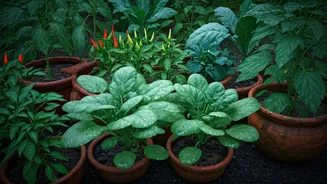


Why Monsoon is a Magic Season
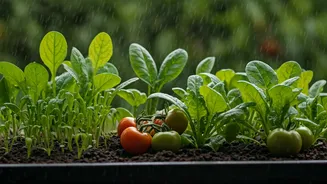
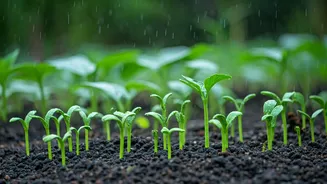
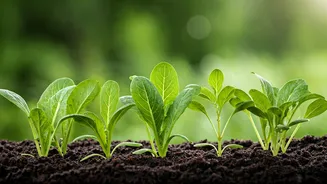
While many assume the constant downpour is bad for plants, the monsoon is actually a fantastic growing season for urban gardeners. The high humidity helps seeds germinate faster, the cloud cover protects delicate saplings from being scorched, and the naturally
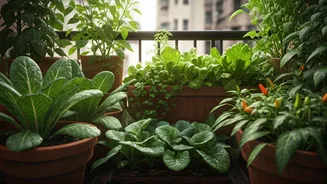
soft rainwater is a godsend for your plants. It’s nature’s own irrigation system, saving you time and effort. This season is particularly forgiving for beginners, as the ambient moisture and cooler temperatures create a nurturing environment. Your small balcony space can quickly become a productive kitchen garden, providing you with a fresh, organic harvest right at your doorstep.
Getting Your Balcony 'Pot' Ready
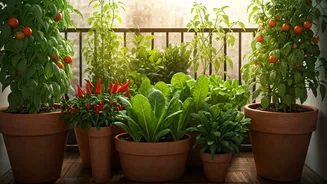
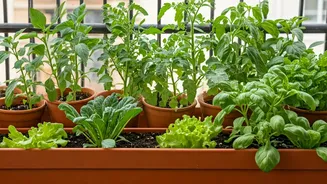
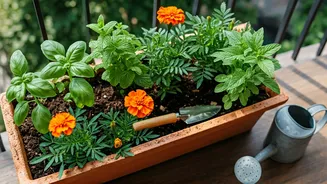
Success starts with the setup. Before you even think about seeds, prepare your foundation. First, choose your containers. Terracotta pots are ideal as they are porous and allow roots to breathe, which is crucial in a damp climate. Ensure every pot has at least one drainage hole at the bottom to prevent waterlogging, the number one enemy during monsoon. For your soil, don't just use regular garden mud. Create a light, well-draining potting mix. A simple and effective recipe is one part soil, one part compost (like vermicompost), and one part cocopeat. This mixture retains necessary moisture but allows excess water to drain away freely, keeping your plant roots healthy and happy.
Top Vegetables to Plant Now
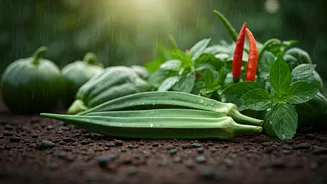
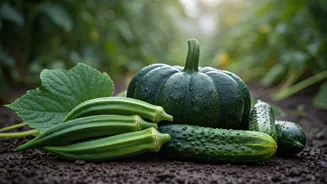
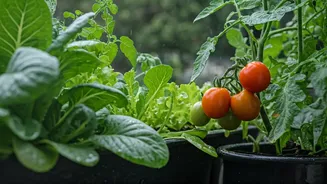
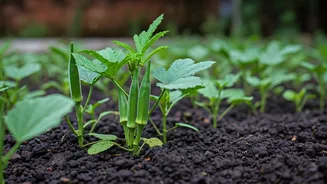
Not all vegetables love the monsoon, but many thrive in it. Here are some easy wins for your balcony: **Okra (Bhindi):** A true monsoon favourite, bhindi grows quickly and produces prolifically. Plant 2-3 seeds in a medium-sized pot (around 10-12 inches) and watch them sprout. They love warmth and humidity. **Tomatoes (Tamatar):** While they need some protection from direct, heavy rain, tomatoes flourish in the monsoon’s ambient conditions. Choose a determinate (bush) variety for containers. Stake them as they grow to provide support. **Chillies (Mirch):** What’s an Indian kitchen without chillies? These plants are surprisingly resilient and will give you a steady supply for your curries. A single plant in a medium pot can yield dozens of chillies throughout the season. **Brinjal (Baingan):** Both the large and small varieties of brinjal do exceptionally well. They require a bit more space, so opt for a larger container (12-15 inches). The lush foliage and beautiful purple flowers are a bonus.
Don't Forget the Herbs
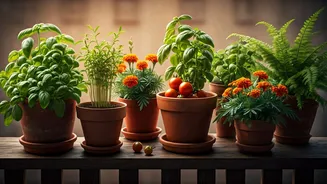
Herbs add instant flavour to any dish, and many are perfectly suited for monsoon container gardening. Mint (pudina) is almost indestructible; it loves moisture and will spread rapidly. Keep it in its own pot to prevent it from taking over. Coriander (dhania) can be tricky, but the cooler monsoon weather is ideal for it. Sow seeds densely in a wide, shallow pot for a continuous supply. Holy Basil (tulsi) is another must-have, not just for its culinary and medicinal uses but because it’s a hardy plant that thrives in this weather. A small collection of these herbs will elevate your cooking and fill your balcony with wonderful aromas.
Monsoon Garden Care 101
Gardening in the rain comes with a few specific challenges. The primary concern is overwatering. Even with drainage holes, constant rain can saturate the soil. If possible, move smaller pots to a covered area during exceptionally heavy downpours. You can also place pots on bricks or stands to elevate them and improve drainage. High humidity also invites pests and fungal diseases. Keep an eye on your plants. Check the undersides of leaves for pests. To proactively manage this, you can spray your plants with a diluted neem oil solution (a few drops mixed with water and a liquid soap) once every 10-15 days. This organic pesticide keeps most common pests at bay without harming your plants or your future harvest.