







The Monsoon-Market Connection
The southwest monsoon is more than just rain; it's the engine of India's agricultural sector. It provides about 70% of the country's annual rainfall, watering the kharif crops—like rice, pulses, soybeans, and cotton—that are planted in summer. When the monsoon is strong
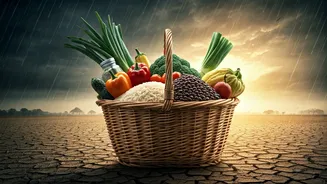
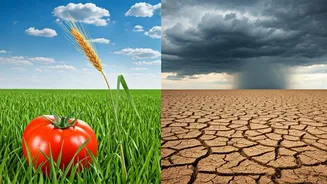
and timely, harvests are plentiful, supply is stable, and prices at the local mandi remain in check. However, when the rains are weak, delayed, or unevenly distributed, it creates a domino effect. Lower crop yields mean reduced supply, which inevitably pushes up the prices of essential food items for millions of households.
This Year's Rainfall Report
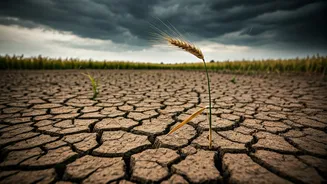
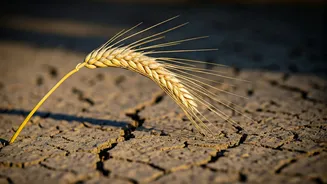
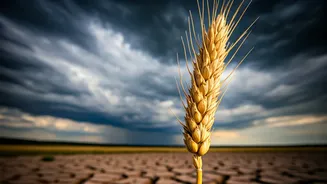
The 2026 monsoon season has had a concerning start. As of late June, cumulative rainfall across the country is significantly below normal, with deficits as high as 43% reported. The India Meteorological Department (IMD) has forecast a below-normal monsoon for the year, a prediction influenced by developing El Niño conditions which are known to weaken monsoon winds. Officials have noted that this weak start, which may continue into July, could adversely affect the ongoing kharif sowing season, raising alarms about potential impacts on agricultural output and farm incomes.
The Price You Pay at the Mandi
This rainfall deficit is already being felt by consumers. While prices for staple grains like rice and wheat are somewhat cushioned by government buffer stocks, the impact on more perishable, rain-dependent crops is becoming clear. Pulses such as tur, urad, and moong are particularly vulnerable as they are mostly rain-fed. A shortfall in their production could lead to higher prices. Vegetables like tomatoes and onions, which are highly sensitive to weather changes, are also seeing price pressure. Food inflation has been trending upwards, with May's figures showing the fastest rise in 16 months, largely driven by increasing food prices. This trend is expected to continue, especially for vegetables, pulses, and edible oils.
Smart Swaps for a Strained Budget
When the price of your go-to vegetables skyrockets, it's time to get creative. Instead of insisting on expensive tomatoes or capsicums, explore seasonal and local alternatives that are often cheaper and more nutritious. Consider hardy gourds like lauki (bottle gourd) or pumpkin, which are versatile and have a longer shelf life. Leafy greens that are in season can also be a cost-effective choice. The key is flexibility. Look at what’s abundant and well-priced at your local market and plan your meals around that, rather than a fixed shopping list.
Plan, Prep, and Preserve
One of the most effective ways to combat food inflation is to reduce waste. Meal planning is your first line of defense. Before you shop, plan your meals for the week. This ensures you buy only what you need. When you bring your groceries home, a little prep can go a long way. Chop vegetables for the next few days, or cook a large batch of dal or rice to use in different meals. Consider simple preservation techniques for items you buy in bulk when prices are low. Turning tomatoes into a simple puree or freezing green peas can save you money in the long run.
Rethink Your Staples
While rice and wheat might be central to your diet, exploring other grains can be both a healthy and economical choice. Millets like jowar, bajra, and ragi are often more drought-resistant than rice and can be more affordable, especially when the monsoon is weak. They are packed with nutrients and can be used to make everything from rotis and dosas to porridges. Incorporating these traditional grains into your diet not only adds variety and nutrition but can also help ease the pressure on your wallet when prices for common staples are on the rise.