






Know Your Rights Before You Book
In India, the rights of air travellers with disabilities and reduced mobility are protected by the Directorate General of Civil Aviation (DGCA). The key takeaway is that no airline can refuse to carry you based on your disability, provided you inform
them of your requirements. More importantly, services like wheelchair assistance are mandatory and must be provided free of charge by all Indian carriers. This includes assistance from the terminal entrance, through security, to the aircraft seat, and the reverse upon arrival. Your personal wheelchair or mobility aid can also be transported for free and does not count towards your baggage allowance. Knowing these rights is the first step to ensuring a smooth journey.
The 48-Hour Rule: Booking for Success
While you can request assistance at the last minute, the golden rule for a stress-free experience is to notify the airline of your needs at least 48 hours before your flight's departure. This gives the airline ample time to make the necessary arrangements. The best time to do this is during the booking process itself. Most airline websites, like IndiGo, Air India, and Akasa Air, have a “Special Assistance” or “Add-ons” section where you can select the type of wheelchair service you need. Airlines use specific codes to classify the level of assistance required: WCHR is for passengers who can climb stairs but need a wheelchair for long distances; WCHS is for those who cannot manage stairs but can walk to their seat; and WCHC is for passengers who are immobile and need assistance all the way to their aircraft seat. Selecting the correct code ensures you get the right support.
Aisle, Bulkhead, or Extra Legroom?
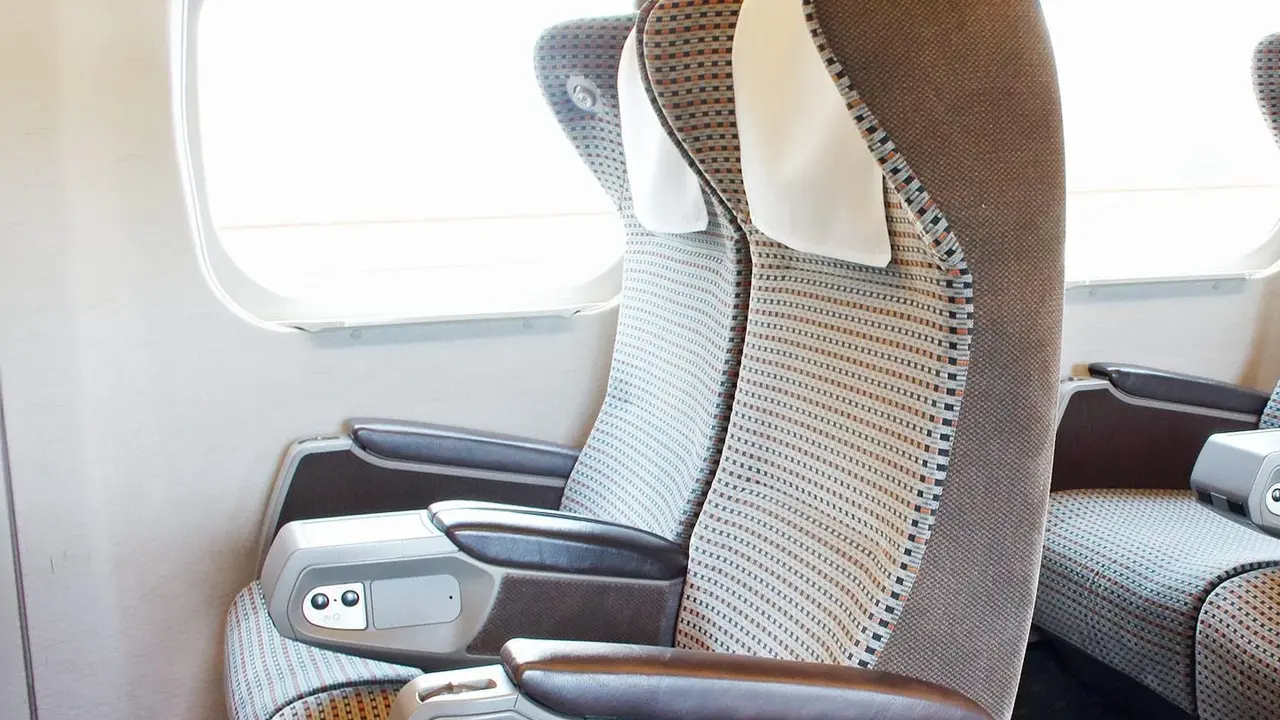
The right seat can make a significant difference in comfort and safety. While you can choose a seat during booking, airlines are required to provide convenient, accessible seats free of charge, often keeping them blocked until close to departure for those who need them. For many with mobility issues, an aisle seat is the most practical choice, as it simplifies getting in and out. Some airlines reserve aisle seats specifically for passengers with disabilities. Bulkhead seats, located at the front of a cabin section, can offer more legroom but may have fixed armrests and no under-seat storage, which is a key consideration. Avoid booking seats in emergency exit rows, as regulations prohibit passengers who may impede an evacuation from sitting there. If you have a specific requirement, such as needing a seat with a movable armrest, it is always best to call the airline directly after booking to confirm your needs are recorded and accommodated.
Beyond the Booking: Confirmation is Key
Once you have booked your flight and requested assistance, your job isn't quite done. It is highly recommended to call the airline’s customer service helpline 24 to 48 hours before your flight to confirm that your Special Service Request (SSR) for wheelchair or seating assistance is attached to your booking. This simple phone call can prevent misunderstandings and delays at the airport. Keep a record of your conversation, including the name of the agent you spoke with. On the day of travel, arrive at the airport earlier than you normally would. This provides a comfortable buffer for check-in, where you will again identify yourself as a pre-booked passenger requiring assistance, and for the ground staff to escort you through the priority security lanes available at most Indian airports for passengers with disabilities.
Onboard and Upon Arrival
Passengers requiring assistance are typically boarded first and deplaned last. This allows for a calmer, unhurried process. Onboard, aircraft with more than 100 seats are required to have an aisle wheelchair to help passengers move to and from the lavatory. When you land, the assistance you received on departure will be mirrored. A staff member will meet you at the aircraft, often with an airline wheelchair, and escort you through the terminal to the baggage claim area and finally to the terminal exit. If you checked your personal wheelchair, it will either be brought to the aircraft door or be available at the baggage claim, and the staff will assist you in making the transfer.