




The Great Migration From Cubicle to Cafe
The post-pandemic work culture has unlocked a new level of freedom for India's tech workforce. No longer tethered to desks in Bengaluru, Pune, or Hyderabad, a growing number of developers, designers, and digital marketers are packing their laptops and heading
for the hills. This isn't just a vacation; it's a 'workation'—a prolonged stay in a scenic location that combines work with leisure. The trend is driven by a desire to escape urban monotony, reduce living costs, and improve mental well-being. Kasol, once primarily a hub for backpackers and trekkers, is now at the forefront of this movement, offering the perfect blend of natural beauty and digital connectivity.
Why Kasol is Capturing the Tech Crowd
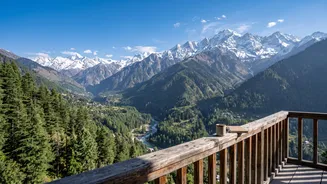
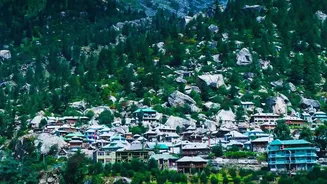
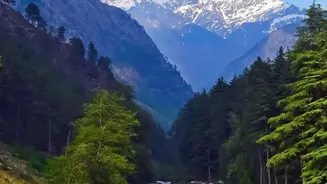
Nestled in the Parvati Valley, Kasol's appeal is multi-faceted. The town, often called 'Mini Israel of India', boasts a vibrant, cosmopolitan vibe with cafes that cater to international and Indian palates. But beyond the social scene, it offers unparalleled access to nature. Professionals can start their day with a video call against a backdrop of snow-capped peaks and end it with a short trek along the Parvati River. The town's existing tourist infrastructure has rapidly adapted, with hostels upgrading their facilities to meet the demands of a new, digitally-dependent clientele. The combination of a laid-back atmosphere and stunning scenery makes it an ideal environment for focused work and creative rejuvenation.
The Anatomy of a Workation-Ready Hostel
Not every hostel is cut out for a productive work stay. Tech professionals have a specific checklist, and Kasol's best workation spots are delivering. The absolute non-negotiable is high-speed, reliable Wi-Fi, often fibre broadband, which is becoming more common in the main town. Equally crucial is power backup, as mountain regions can experience electricity cuts. Beyond connectivity, these hostels provide dedicated workspaces—comfortable common areas, rooftop cafes, or quiet nooks where one can work without interruption. Many also foster a sense of community with events like bonfires, group treks, and music nights, allowing remote workers to network and socialise.
Budgeting for Your Mountain Office
One of the most significant draws of a Kasol workation is its affordability. Compared to the steep rents and high living expenses of a metro city, Kasol offers incredible value. Hostels provide long-stay packages that significantly reduce the per-night cost. A dorm bed can be secured for a week for as little as ₹3,200, while a private room might cost around ₹10,000 for the same duration. Some estimates suggest a comfortable month-long workation, including food and lodging, can range from ₹20,000 to ₹30,000. Hostels like The Hosteller, Zostel, and Whoopers, along with many independent local stays, now specifically advertise facilities for digital nomads, making it easier than ever to find a suitable and affordable base.
Life Beyond the Laptop Screen
The true essence of a Kasol workation is what happens after you log off. The Parvati Valley is a trekker's paradise, with trails for all skill levels. A short walk can take you to the quaint village of Chalal, while more adventurous souls can plan weekend treks to Kheerganga, Tosh, or Grahan. The town itself is dotted with cafes offering everything from Israeli shakshuka to local Himachali dishes, providing endless options for post-work relaxation. This lifestyle allows for a genuine disconnect from the high-stress corporate environment, replacing long commutes with serene walks and office meetings with conversations under the stars. It’s a holistic approach to work that prioritises both productivity and personal peace.