






Connecting The Dots for Survival
Imagine India's 58 tiger reserves and numerous national parks as islands of safety for wildlife. While these protected areas are crucial, they are not enough on their own. For species to thrive long-term, they need to move between these islands. This
is where habitat connectivity comes in. A 'wildlife corridor' is a strip of land, often a forest, that allows animals to move between larger protected areas. These natural 'highways' are essential, enabling animals to find food, mates, and new territories. Without them, populations become isolated, which can lead to genetic problems like inbreeding and a higher risk of local extinction.
What The Reports Reveal
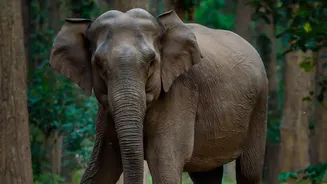
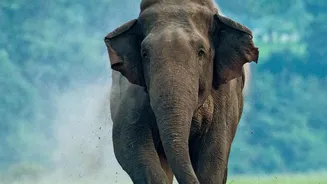
Several key reports underscore both the progress and perils facing India's wildlife corridors. The 2023 'Elephant Corridors of India' report identified 150 vital passages for elephants across 15 states, a significant increase from the 88 mapped in 2010. This highlights a better understanding of elephant movement, but also the scale of the challenge. For tigers, the National Tiger Conservation Authority (NTCA) and Wildlife Institute of India (WII) have mapped 32 major corridors crucial for connecting populations. These corridors are lifelines for a species whose population has grown to over 3,600 but of which an estimated 35% live outside protected reserves, often navigating human-dominated landscapes.
The Choke Points: Infrastructure vs. Instinct
The single greatest threat to these vital links is linear infrastructure. A growing network of highways, railway lines, canals, and power lines is cutting through forests, fragmenting habitats and severing ancient animal routes. Reports have highlighted that hundreds of proposed infrastructure projects are slated to cut through tiger corridors, particularly in the Central Indian and Eastern Ghats landscapes. This fragmentation not only blocks movement but also increases the chances of human-wildlife conflict, as animals are forced into closer contact with farms and villages when their natural pathways are blocked. This can lead to crop damage, loss of livestock, and tragic human and animal deaths.
The Genetic Imperative
When wildlife populations become isolated, they are cut off from the genetic diversity that is essential for their long-term health and resilience. Small, inbred populations are more vulnerable to diseases and less able to adapt to environmental changes. Studies have shown that functional corridors allow for genetic exchange between populations, which is vital for preventing the kind of genetic decay that led to the local extinction of tigers in reserves like Sariska and Panna before reintroduction efforts. By ensuring animals from different areas can meet and breed, corridors maintain the genetic strength and adaptability of the entire species.
Building Bridges For Wildlife
Recognising the threat, India has been investing in solutions. In recent years, India has constructed more wildlife underpasses and overpasses than any other country in Asia. The Ministry of Road Transport and Highways recently reported investments exceeding INR 19,700 crore in wildlife mitigation structures along national highways, including overpasses and underpasses designed to give animals safe passage. Landmark projects, such as the elevated sections of roads through the Pench Tiger Reserve, have shown that structures like eco-ducts and viaducts are successfully used by tigers, leopards, and other species, proving that development and conservation can coexist if planned thoughtfully. Furthermore, states are beginning to formally notify corridors, such as Tamil Nadu's recent designation of three elephant corridors, giving them stronger legal protection.