



The Dawn of the 'Workation'
Forget the old debate about work-life balance; the new conversation is about work-life integration. The post-pandemic embrace of remote and hybrid work models has untethered millions of Indian professionals from their office desks. This newfound flexibility
is creating a new travel category that sits between a short holiday and a permanent move: the 'workation' or 'bleisure' trip. It’s a simple but powerful idea: if you can work from anywhere, why not work from a place with a better view? Instead of taking one long annual break, many are now opting for several shorter getaways throughout the year, built around their work schedules. This shift allows them to escape urban burnout and explore new places without dipping into their precious leave balance.
The New Hotspots: Beyond the Usual Suspects
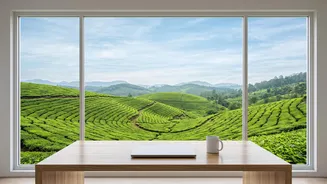
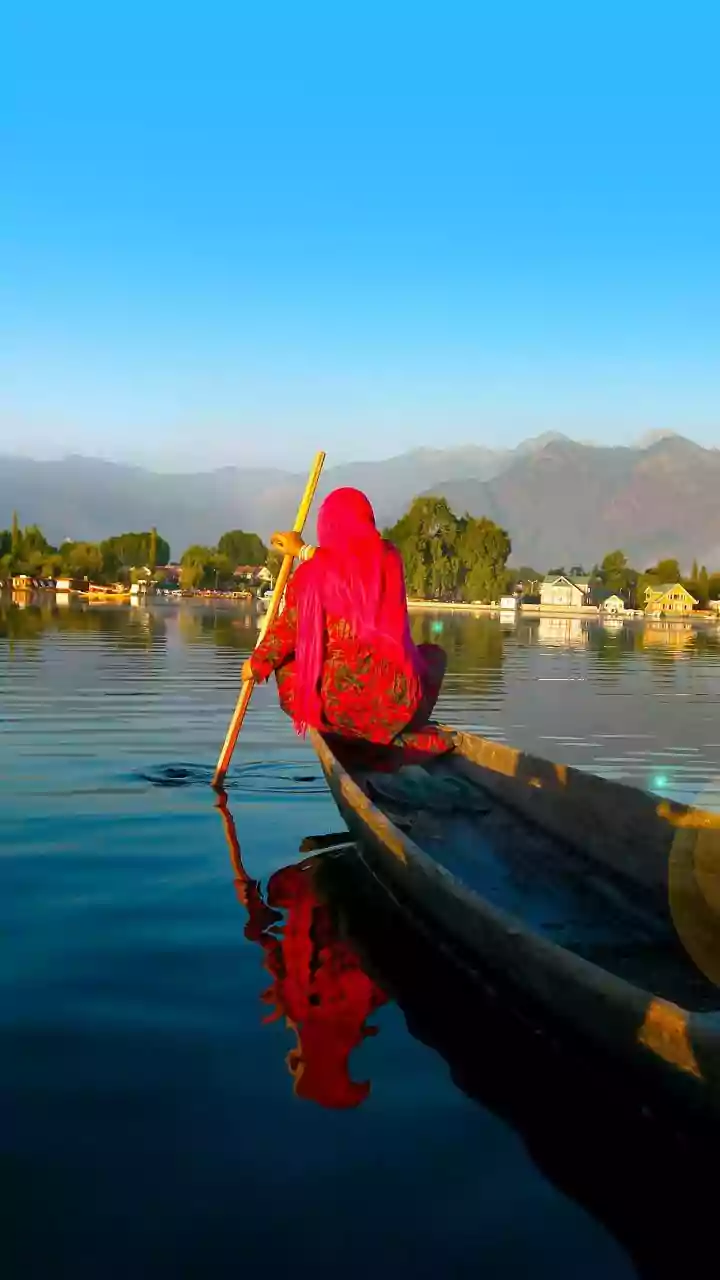
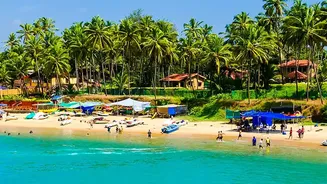
This trend is reshaping India's tourist map. While Goa remains a classic hub for digital nomads, pioneering the scene with its co-working spaces and international community, the focus is expanding. Professionals are now flocking to Himalayan towns like Dharamshala and Manali for their tranquil environment and crisp mountain air. In the south, quiet coastal escapes like Kochi and Varkala in Kerala, or the French colonial town of Puducherry, offer a serene alternative to Goa's bustling beaches. Even hill stations like Coorg and Wayanad are becoming popular, with homestays in coffee estates and tea gardens upgrading their Wi-Fi to cater to working travellers. The key criteria for these new destinations are simple but non-negotiable: reliable internet, comfortable long-term stays, and a peaceful environment conducive to productivity.
What's Driving the Change?
Several factors are fuelling this migration from city centres to scenic landscapes. The primary driver is, of course, the widespread adoption of flexible work policies. But technology is the great enabler. The rollout of high-speed 5G internet across much of the country means that stable connectivity is no longer a luxury confined to metropolitan areas. A person can now reliably take video calls from a cafe in the Himalayas or a homestay in Sikkim. Furthermore, there is a generational shift in attitude. Younger professionals, in particular, are prioritising experiences and mental well-being, seeking to disconnect from the stresses of city life without disconnecting from their careers. This has led to the rise of 'slow travel,' where individuals stay in one place for weeks or months, allowing for deeper cultural immersion.
The Reality Behind the Instagram Post
While the lifestyle of working from a hammock sounds idyllic, it comes with its own set of challenges. The biggest hurdle is often maintaining a boundary between work and leisure. When your holiday destination is also your office, it can be tempting to work longer hours, leading to a different kind of burnout. Practical issues like power fluctuations, especially during monsoon season in remote areas, can disrupt workflow, making power backups a necessity. There’s also the social aspect. While some destinations have thriving digital nomad communities, others can feel isolating for solo travellers. Despite these challenges, for a growing number of Indians, the benefits of blending work with travel—fresh perspectives, enhanced creativity, and a better quality of life—far outweigh the logistical hurdles.
A New Economic Engine for Tourism
This trend is not just changing how individuals travel; it's also creating new economic opportunities for local communities. The influx of long-stay professionals is boosting local economies in ways that short-term tourism cannot. These 'workationers' spend money on local cafes, grocery stores, and long-term rentals, contributing more consistently to the local economy. This has spurred the growth of ancillary services, from co-working spaces in places like Anjuna and Jaipur to entire 'digital nomad villages' like Yakten in Sikkim, which has been equipped with reliable internet and work-friendly infrastructure to attract remote workers. As this trend matures, it's clear that it is becoming a significant and sustainable part of India's domestic tourism landscape.