



Choose Rain-Loving Plants
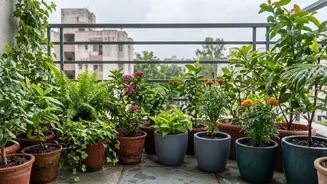
The first step to a successful monsoon garden is selecting plants that thrive in high humidity and moisture. Some plants adore the rainy season, while others are prone to rot. Opt for hardy tropicals and flowering plants that are well-suited to the Indian
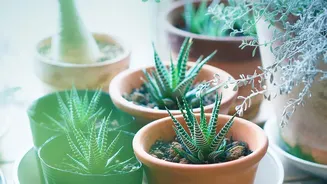
monsoon. Good choices include hibiscus, jasmine, marigold, and zinnia, all of which handle rainy conditions well. Foliage plants like money plants (pothos), spider plants, ferns, and peace lilies also flourish, enjoying the natural humidity. If you have succulents, cacti, or jade plants, it's best to move them to a covered area to protect them from excessive rain, as their fleshy leaves store water and can easily rot.
Prioritise Drainage Above All Else
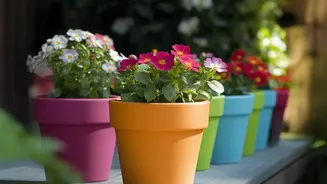
Waterlogging is the biggest enemy of container plants during the monsoon. The key to survival is excellent drainage. Before the season begins, ensure every pot has at least one clear drainage hole at the bottom. If you're repotting, consider adding a layer of gravel or broken terracotta pieces at the base before adding soil. To further improve drainage, elevate your pots using bricks or plant stands. This small gap between the pot and the floor prevents water from pooling at the base and allows air to circulate, which is crucial for preventing root rot. Also, remember to clear your balcony's main drain to avoid flooding during a heavy downpour.
Prepare the Right Soil Mix
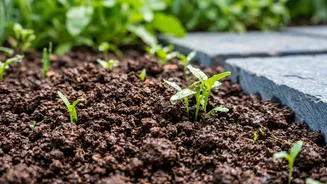
Standard garden soil is often too dense for pots and can become compacted and waterlogged with heavy rain. A lighter, well-aerated potting mix is essential. You can create your own by combining garden soil with materials that improve drainage and texture. A reliable DIY recipe for the monsoon is a mix of garden soil (about 40%), cocopeat (25%), compost or vermicompost (25%), and coarse sand or perlite (10%). This blend provides structure, retains just enough moisture, offers nutrients, and most importantly, allows excess water to drain away freely, keeping roots healthy.
Rethink Your Watering Schedule
It may seem counterintuitive, but you still need to monitor your plants' water needs during the monsoon. Don't assume the rain is doing all the work. On days without rain, the high humidity might keep the soil moist. Always check the top inch of the soil with your finger before watering. If it feels damp, skip watering for the day. For plants on covered balconies that don't receive direct rain, you will need to continue a regular watering schedule, but likely less frequently than in summer. Overwatering is a common mistake and can lead to yellowing leaves and fungal growth.
Guard Against Pests and Fungi
The damp, humid conditions of the monsoon are a breeding ground for pests and fungal diseases. Common issues include powdery mildew, leaf spot, root rot, and pests like aphids, mealybugs, and snails. Good air circulation is a key preventative measure, so avoid overcrowding your plants. Regularly inspect your plants, paying close attention to the undersides of leaves. Pruning overgrown branches and removing dead or yellowing leaves can improve airflow and reduce the risk of disease. As a preventive step, you can spray your plants with a neem oil solution every couple of weeks.
Provide Support and Shelter
Monsoon storms often bring strong winds that can damage taller plants or those with delicate stems. Provide support by tying them to stakes or a trellis before the heavy rains begin. If a particularly intense storm is forecasted, consider moving more vulnerable plants to a sheltered spot against a wall or indoors temporarily. Grouping smaller pots together can also offer some mutual protection against the elements. This little bit of extra preparation can prevent broken stems and ensure your plants make it through the season unscathed.