



Why Your Gut Needs Extra Care
The rainy season creates an ideal environment for harmful bacteria and viruses to thrive. The moisture in the air can slow down our digestive fire, making us more susceptible to infections, bloating, and general discomfort. Contaminated water and food
are more common threats during this period, increasing the risk of digestive ailments like diarrhoea and gastroenteritis. This seasonal shift makes it crucial to pay extra attention to what we eat, focusing on foods that support and strengthen our gut microbiome, which is the community of trillions of microbes living in our intestines that are vital for digestion and immunity.
The Power of Fermentation
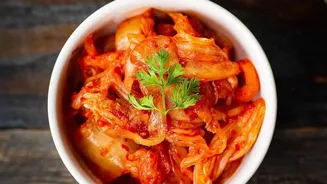
Fermentation is a natural process where microbes, such as bacteria and yeast, break down food components into other products, making the food easier to digest and enriching it with beneficial microorganisms. These beneficial bacteria are known as probiotics. Probiotics help maintain a healthy balance in your gut, improve digestion, and boost your immune system, which is especially important during the infection-prone monsoon season. By incorporating simple homemade fermented foods into your diet, you can actively support your gut health and keep digestive troubles at bay.
Homemade Curd (Dahi): The Daily Probiotic
Arguably the most common fermented food in Indian households, homemade curd is a powerhouse of probiotics, particularly Lactobacillus strains. These live bacteria help soothe the digestive system, prevent bloating, and can restore the balance of good gut flora. Unlike many store-bought varieties, fresh homemade dahi is typically free of preservatives and excess sugar. It is incredibly versatile and can be enjoyed plain, as a cooling raita with your meals, or blended into a refreshing chaas (buttermilk). Regular consumption is one of the simplest ways to ensure a daily dose of gut-friendly bacteria.
Kanji: The Tangy Digestive Tonic
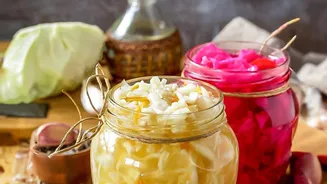
Kanji is a traditional North Indian fermented drink, often made with black carrots, but beetroot can also be used. This tangy, savoury beverage is prepared by fermenting the vegetables in water with salt and ground mustard seeds for a few days in the sun. The result is a drink teeming with probiotics that acts as an excellent appetiser and digestive aid. A small glass of kanji before a meal can help stimulate digestive enzymes, making it a perfect addition to your monsoon diet to keep your system running smoothly.
Fermented Batters: Idli and Dosa
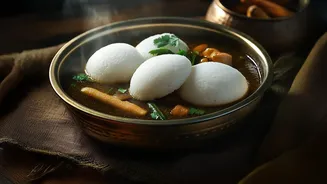
South Indian staples like idli and dosa are not just delicious; they are also great for gut health. They are made from a batter of rice and lentils that is left to ferment overnight. This fermentation process breaks down the carbohydrates and proteins, making these foods incredibly light and easy to digest. The probiotics generated during fermentation help to nourish the gut. Opting for freshly steamed idlis or crispy dosas made from a well-fermented batter can be a gentle yet effective way to support your digestive system during the monsoon.
A Note on Pickles and Preparation
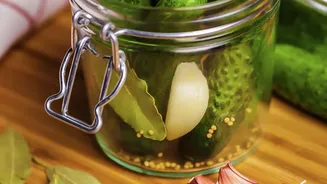
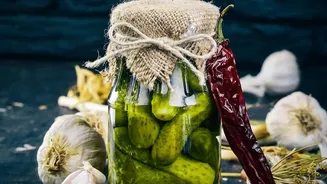
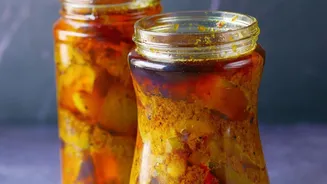
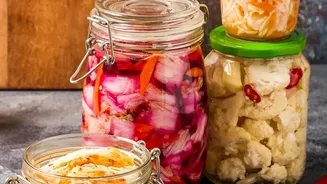
Traditional Indian pickles (achaar), when made through natural fermentation with salt rather than being preserved solely in oil, can also be a source of probiotics. However, it's important to consume them in moderation due to their high salt content. When preparing any fermented food at home, hygiene is key, especially during the monsoon. Always use clean jars and utensils, and ensure foods are fermented in a safe, controlled environment to prevent the growth of unwanted microbes. Freshness is paramount, so consume these foods soon after they are ready.