




From Niche Pursuit to Mainstream Movement
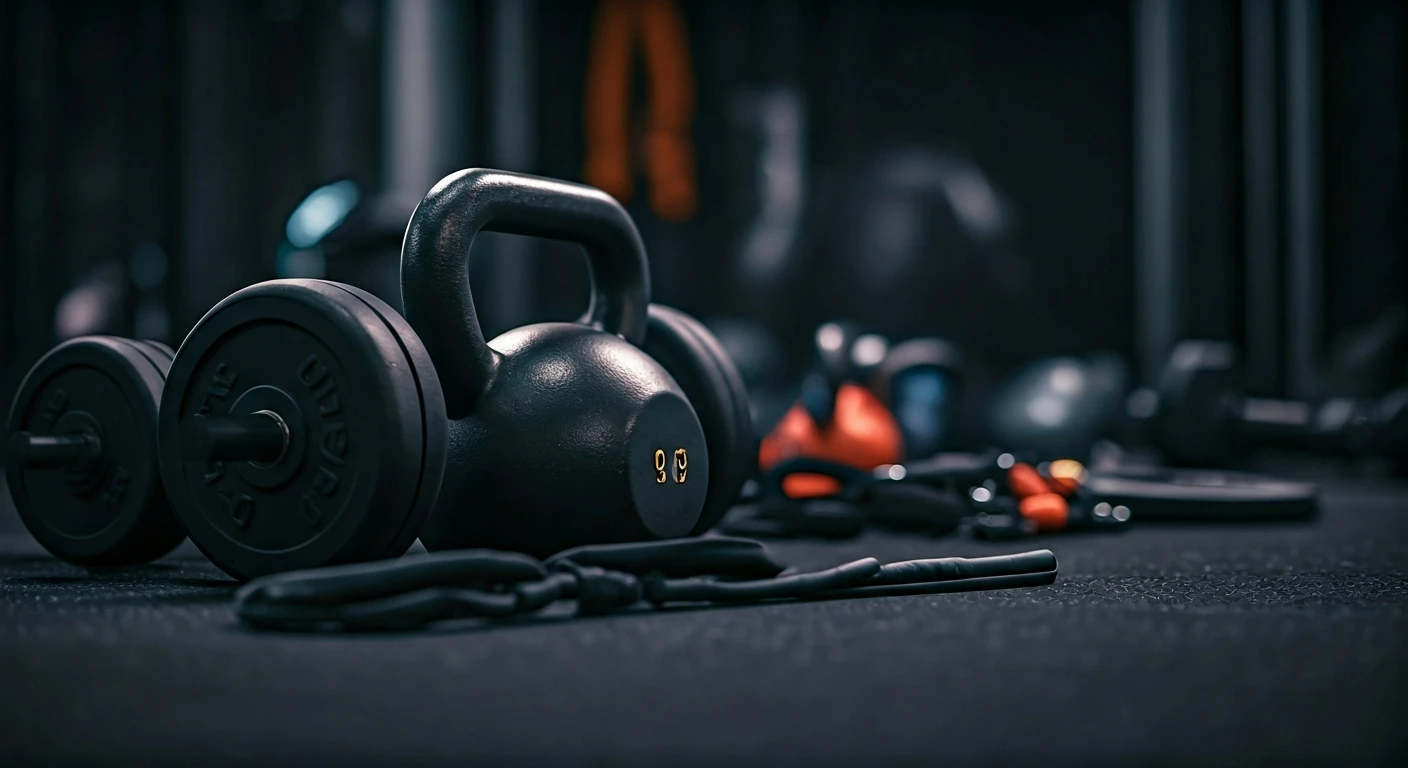
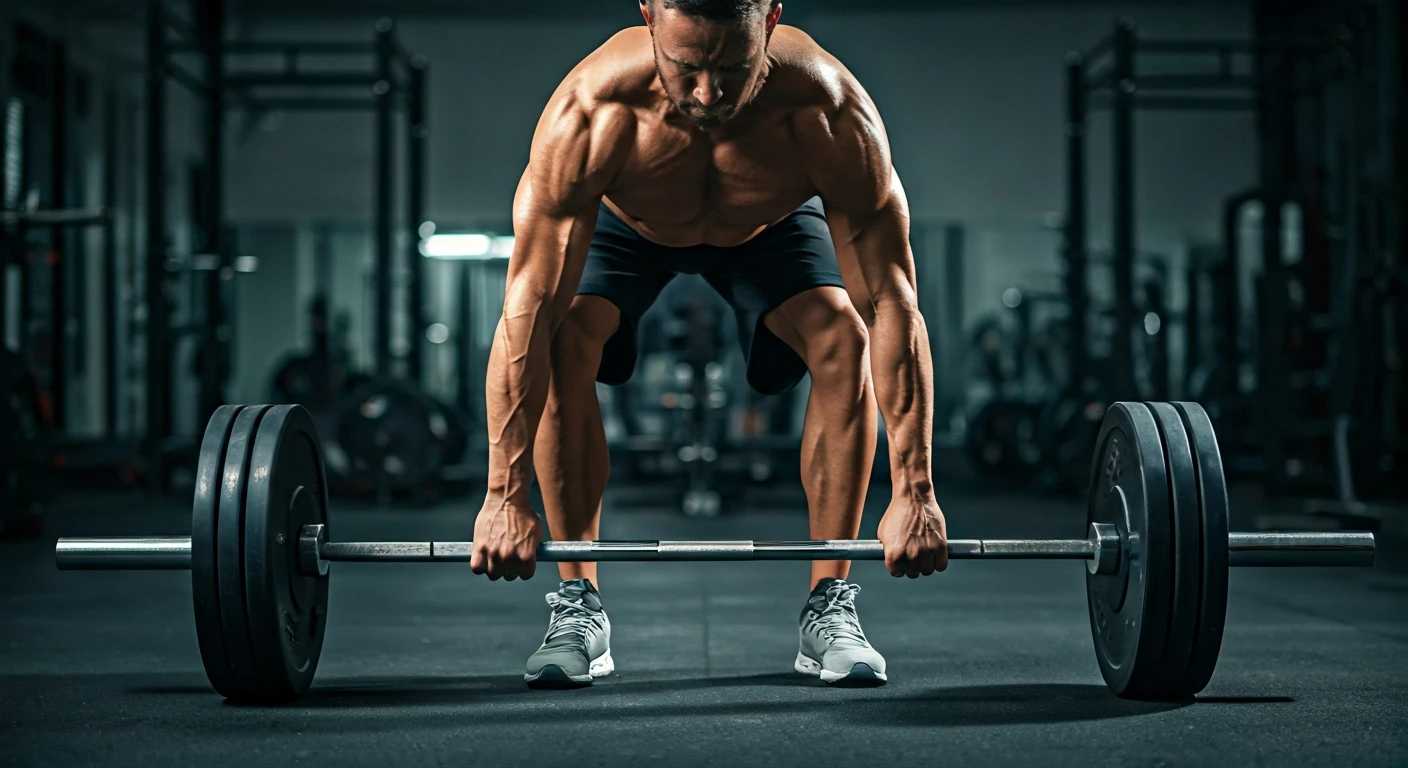
For decades, strength training was largely seen as the domain of bodybuilders and elite athletes. The goal was singular: build massive muscles for aesthetic or competitive purposes. This created a perception that lifting weights was an intense, highly
specialised activity, not for the average person seeking general fitness. For many, particularly women, the fear of becoming 'bulky' was a significant deterrent, pushing them towards cardio, yoga, or Pilates. Today, that stereotype is fading fast. The weight room is becoming a more inclusive space, with a noticeable rise in participation from women, older adults, and fitness newcomers who are discovering that strength is about much more than just muscle size.
A Broader, More Diverse Crowd
One of the most significant drivers of this trend is a massive demographic shift. Women, in particular, are embracing strength training in record numbers. This is partly due to a change in mindset, where the goal has shifted from simply losing weight to building a strong, capable body. Trainers report a massive influx of female clients who are now focused on performance goals like achieving a pull-up or deadlifting a certain weight, rather than just aesthetics. Simultaneously, older adults are turning to resistance training as a powerful tool for healthy ageing. With growing awareness about age-related muscle loss and bone density decline, lifting weights is now seen as a crucial investment in long-term independence and quality of life.
Driven by Science, Not Just Looks
The boom is heavily supported by a growing body of scientific evidence highlighting benefits that go far beyond the mirror. Research consistently shows that strength training is a powerhouse for longevity and disease prevention. It improves bone density, reducing the risk of osteoporosis, a condition to which women are particularly prone. It also boosts metabolism, as muscle tissue burns more calories at rest, aiding in weight management. Furthermore, its impact on brain health is gaining attention; studies suggest it can lower the risk of dementia and improve cognitive function by enhancing blood flow and reducing inflammation. By improving how the body handles blood sugar, it also plays a vital role in preventing and managing conditions like type 2 diabetes and PCOS.
The Influence of Tech and Community
Technology and social media have been key in making strength training more accessible. Fitness apps and wearables provide structured plans, track progress, and foster a sense of achievement, making it easier for beginners to start. In India, the use of fitness apps is surging, driven by a desire for personalised and convenient wellness solutions. Social media platforms have also played a role, with credible fitness influencers breaking down complex movements and creating supportive communities. This digital ecosystem has helped demystify strength training, offering guidance and encouragement that was once only available through personal trainers.
Redefining What It Means to Be Strong
The conversation has also shifted from bodybuilding to functional fitness. The focus is less on isolating muscles to make them bigger and more on training movement patterns that mimic real-life activities—like squatting, lifting, and carrying. This approach builds practical, 'real-world' strength that helps with everything from carrying groceries to playing with your kids, making it appealing to a much broader audience. This redefinition frames strength not as an extreme pursuit, but as a foundational element of a healthy, active life, essential for everyone, regardless of their age or fitness level.