


Decoding Purity: Karats and Hallmarks
The first step in buying gold is understanding its purity, measured in karats (K). Pure gold is 24K, but it's too soft for crafting durable jewellery. This is why it's mixed with other metals, or alloys, to create stronger variants. The most common purities
you will encounter are 22K (91.6% pure gold) and 18K (75% pure gold). 22K gold has a richer, deeper yellow hue and is a traditional favourite for wedding and festive jewellery. However, its higher gold content makes it softer. 18K gold, with 75% pure gold, is harder and more durable, making it an excellent choice for daily wear items and for setting diamonds and other gemstones securely. To be sure of the purity, always look for the Bureau of Indian Standards (BIS) hallmark. A mandatory BIS hallmark consists of three marks: the BIS logo, the purity in Karat and fineness (like 22K916 or 18K750), and a unique six-digit alphanumeric code called the HUID. This hallmark is your guarantee that you're getting the purity you're paying for.
The Art of Design: More Than Meets the Eye
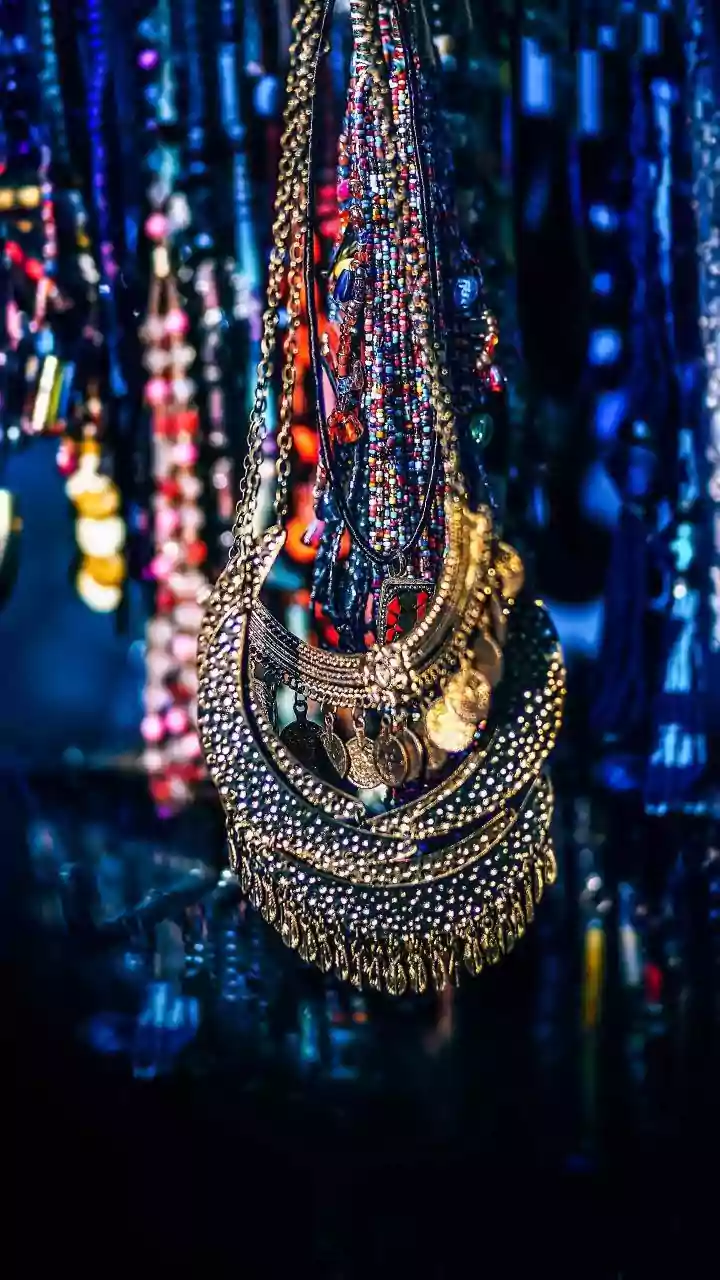
The design of a piece of jewellery does more than just determine its look; it heavily influences its price and durability. Designs can be broadly categorised into two types: machine-made and handcrafted. Machine-made jewellery, like simple chains or bangles, is mass-produced and generally has lower making charges. Handcrafted jewellery, on the other hand, involves intricate workmanship, from detailed filigree to elaborate temple designs. This requires more skill and time, leading to significantly higher making charges. When choosing a design, consider your lifestyle. A delicate, intricate piece might be perfect for special occasions but could be prone to damage with daily use. A sturdier, more robust design made from 18K gold might be better suited for an item you plan to wear every day. The complexity of the design is one of the biggest factors in the final cost, so it's a key area to consider when balancing your budget.
Understanding Making Charges and Wastage
Making charges are the fees you pay for the craftsmanship involved in turning raw gold into a finished ornament. These charges can be calculated in two ways: as a percentage of the gold's value, or as a flat rate per gram. The percentage can range anywhere from 3% for simple machine-made items to over 25% for complex, handcrafted designer pieces. Sometimes, jewellers also include 'wastage charges', which account for the small amount of gold lost during the manufacturing process. In many cases, wastage is simply bundled into the making charges. This is the most negotiable part of your gold bill. Don't hesitate to ask for a discount, especially on making charges, as many local jewellers are flexible. Always ask for a detailed invoice that breaks down the price of gold, making charges, and GST separately. This transparency helps you see exactly what you're paying for and compare offers between different jewellers effectively.
Striking the Perfect Balance: A Buyer's Strategy
The key to getting the best value is to balance these three elements based on your primary goal. If you're buying gold mainly as an investment, your focus should be on high purity (22K) and low making charges. Simple designs like coins, bars, or basic chains are ideal as they carry the lowest making charges, often just a small percentage over the gold value. If you're buying a piece for frequent, everyday wear, prioritise durability. An 18K gold piece will be more resistant to scratches and bending, ensuring it lasts longer. You might choose a simpler design to keep making charges reasonable. For a statement piece for a special occasion like a wedding, you might decide to splurge on an intricate, handcrafted design in 22K gold. While the making charges will be high, you are paying for the artistry and uniqueness of the ornament. The smart approach is to decide the primary purpose of the jewellery first, which will then guide your decisions on purity, design, and how much you're willing to spend on making charges.