




The Air Purification Question
The popular belief that houseplants are powerful air purifiers largely stems from a 1989 NASA study. The research showed that, in a sealed chamber, certain plants could remove harmful volatile organic compounds (VOCs) like formaldehyde and benzene from the
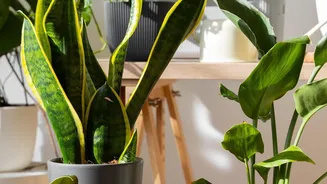
air. This was exciting news for potential space station habitats. However, our homes and offices are not sealed chambers. They have natural ventilation from open windows, doors, and HVAC systems. More recent analyses have put the NASA findings into perspective. A 2019 review concluded that you would need a staggering number of plants—somewhere between 10 and 1,000 per square metre—to compete with a building's natural air exchange rate. In a typical 1,500-square-foot home, that could mean needing nearly 700 plants to make a measurable impact on air quality. So, while your snake plant is working hard, it isn't a substitute for good ventilation or an air purifier.
The Undeniable Psychological Boost
While they may not be the air-scrubbing powerhouses we once thought, the story doesn't end there. The most significant and well-supported benefits of indoor plants are psychological. Numerous studies have shown that the presence of plants can reduce stress, lower anxiety, and improve our overall mood. Research indicates that interacting with or simply being around indoor plants can lower levels of cortisol, the body's primary stress hormone. A review of 50 studies found that the most significant effect plants had was making people feel happier. This connection to nature, often called biophilia, seems to have a real and positive impact on our mental well-being, creating a calmer and more pleasant environment.
A Greener Desk, A Sharper Mind?
The benefits extend beyond the home and into the workplace. While one or two desk plants won't filter the office air, research suggests their presence can still enhance productivity and concentration. A Norwegian study found that when plants were introduced into an office, reported fatigue among workers dropped by 30% and coughs decreased by 37%. Other studies have linked office plants to a 12% increase in productivity and a significant reduction in stress and negative feelings. These improvements aren't likely due to cleaner air, but rather the calming visual of greenery and the positive emotional response it triggers. An office with plants is often perceived as more attractive, which can lead to higher job satisfaction. Simply put, a more pleasant environment appears to help us focus and feel better about our work.
The Verdict: A 'Meaningful' Difference After All
So, do indoor plants make a meaningful difference? The answer is a resounding yes, just not in the way many of us believed. If your goal is purely to purify the air of pollutants, you would need an impractical indoor jungle to see significant results. However, the fresh evidence confirms what many plant lovers already felt intuitively: plants make our indoor spaces better. Their real power lies in their ability to boost mental health, reduce stress, and improve our sense of well-being. They can make a workspace more productive and a home more calming. The difference they make is less about filtering chemicals and more about fulfilling our innate need for a connection to the natural world.