


The Allure of the Street-Side Chilla
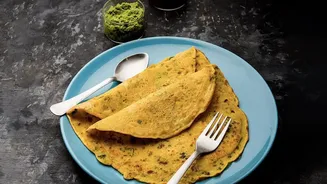
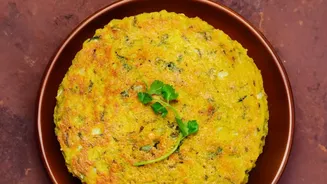
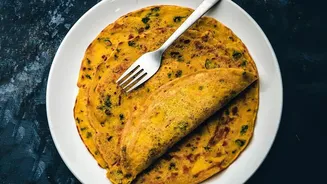
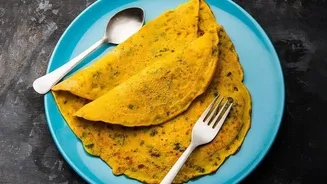
Moong dal chilla, also known as puda or pudla in some regions, is a nutritious and filling meal often enjoyed for breakfast or as a quick snack. Made from a batter of ground split mung lentils, it's celebrated for being light, healthy, and easy to digest.
While homemade chillas are wonderful, there’s a special magic to the ones served by street vendors. They often possess a perfect textural contrast: a crepe that’s satisfyingly crisp at the edges and a fresh, flavourful filling that provides a surprising crunch with every bite.
The Simple Secret to a Better Bite
Many street vendors and recipes use fillings like grated paneer or spiced potatoes. While delicious, the real game-changer for achieving that signature street-style crunch is a minimalist stuffing of finely chopped raw vegetables. The combination of raw onion and tomato is classic for a reason. The onion delivers a sharp, pungent crunch, while the tomato adds a juicy, tangy freshness that cuts through the earthy flavour of the moong dal. This simple addition elevates the chilla from a soft pancake to a multi-textured experience.
Preparing the Perfect Crunchy Filling
The preparation of the filling is as important as the ingredients themselves. Finely chop one medium red onion and one ripe tomato. For the best texture and to avoid a soggy chilla, it's crucial to deseed the tomato before chopping it. This removes excess water, ensuring the filling stays fresh and crunchy. For an extra layer of flavour and a bit of heat, you can also mix in finely chopped green chillies and fresh coriander leaves. Some variations even include grated carrots or bell peppers for more colour and crunch. Mix these ingredients in a bowl and set aside; do not salt the mixture until just before stuffing, as salt will draw out moisture from the vegetables.
Getting the Chilla Batter Just Right
A great chilla starts with a great batter. Begin by soaking yellow split moong dal for at least three to four hours, or even overnight. After soaking, drain the water completely. Grind the dal in a blender with a small piece of ginger and one or two green chillies for flavour. Add water sparingly, just enough to get a smooth, pourable batter. The consistency is key: it should be thick enough to coat a spoon but not as thick as idli batter or as thin as a crepe batter. Adding a tablespoon of rice flour or semolina (sooji) to the batter can help create an even crispier result.
Bringing It All Together
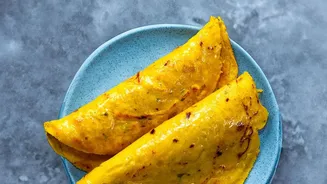
Heat a non-stick or cast-iron tawa over medium heat. Once hot, pour a ladleful of batter in the centre and gently spread it outwards in a circular motion to form a thin pancake. Drizzle a little oil or ghee around the edges to help it crisp up. When the top surface looks dry and the edges start to lift, sprinkle a generous amount of your onion-tomato mixture over one half of the chilla. Fold the other half over the filling and press down gently with a spatula. Continue to cook for another minute, flipping once, until the chilla is golden brown and crisp on both sides. Serve immediately for the best texture.
Tips for Restaurant-Quality Results
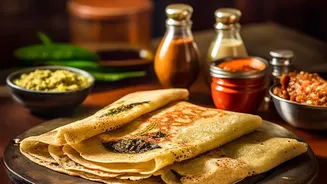
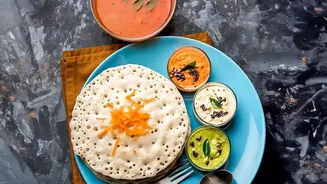
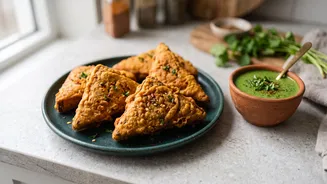
To perfect your chilla-making skills, keep a few things in mind. Ensure your tawa is properly heated before pouring the batter; if it's too hot, the batter will clump, and if it's not hot enough, the chilla may stick. Spreading the batter thin is crucial for achieving crispiness. Don't be afraid to use a little extra oil around the edges, as this is what creates that irresistible crunch. Finally, serve your moong dal chillas hot off the pan with a side of green coriander chutney or tamarind chutney to complete the authentic street-food experience.