


From Restriction to Reinvention
Let’s be honest: for many, the thought of vrat food used to bring a mix of devotion and dietary dread. The menu was predictable: sabudana (tapioca pearls) in various forms, kuttu (buckwheat) or singhara (water chestnut) atta for pooris, and a handful
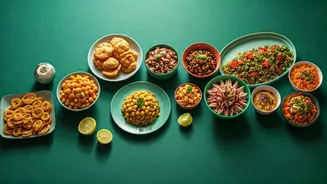
of approved vegetables. While delicious and steeped in tradition, these dishes were often heavy, fried, and limited. But that culinary landscape is changing, and fast. The new vrat kitchen is vibrant, experimental, and surprisingly global. Driven by a desire for healthier options, increased global exposure, and the boundless creativity of home cooks and chefs, fasting food has broken free from its traditional confines. It's no longer just about what you *can't* eat, but about discovering the amazing things you *can* create with permitted ingredients.
The Superfood Takeover
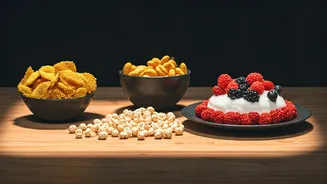
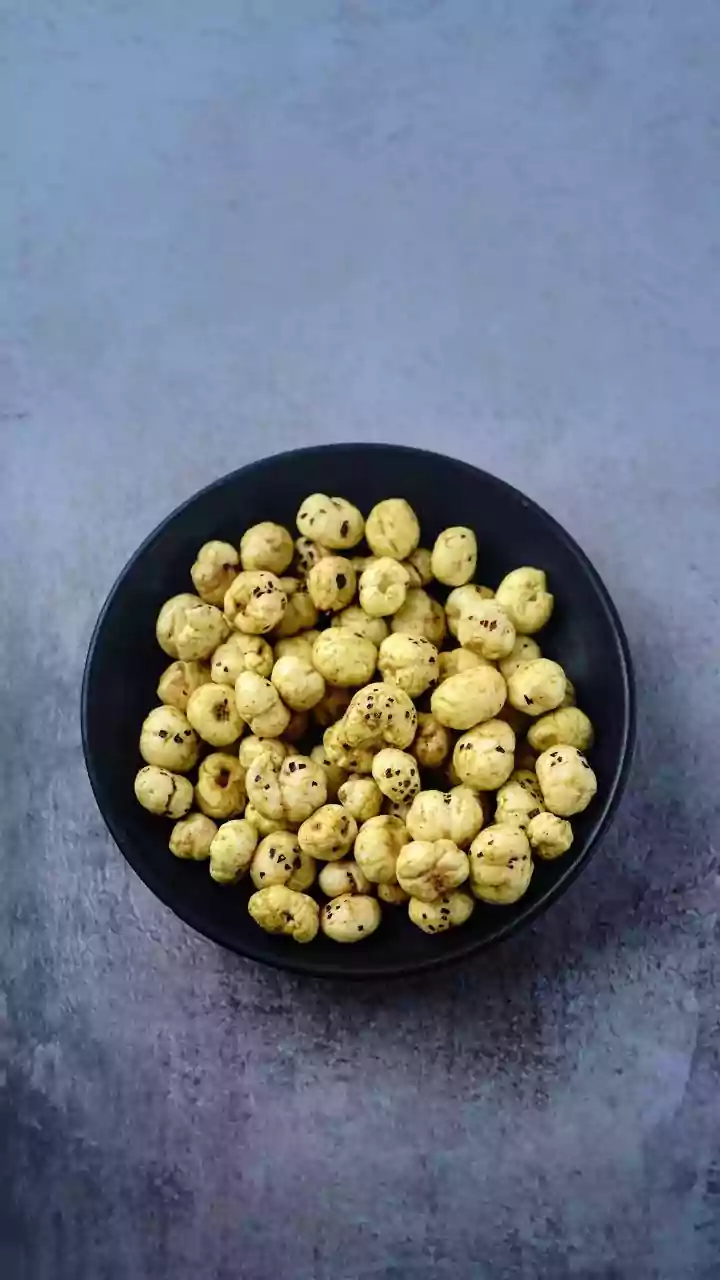
One of the biggest shifts has been the enthusiastic adoption of superfoods. Quinoa, once an exotic health-food store item, is now a vrat superstar. Its grain-like properties (though it's technically a seed) and high protein content make it an excellent substitute for rice. Think lemon quinoa, quinoa pulao with roasted vegetables, or even quinoa cutlets. Similarly, sweet potatoes are nudging regular potatoes aside. They can be baked into wedges, mashed into tikkis, or spiralized into 'noodles,' offering more fibre and a lower glycemic index. Chia seeds have also found a place, perfect for making vrat-friendly puddings and energy-boosting drinks that keep you hydrated and full through the day.
Millets Make a Modern Comeback
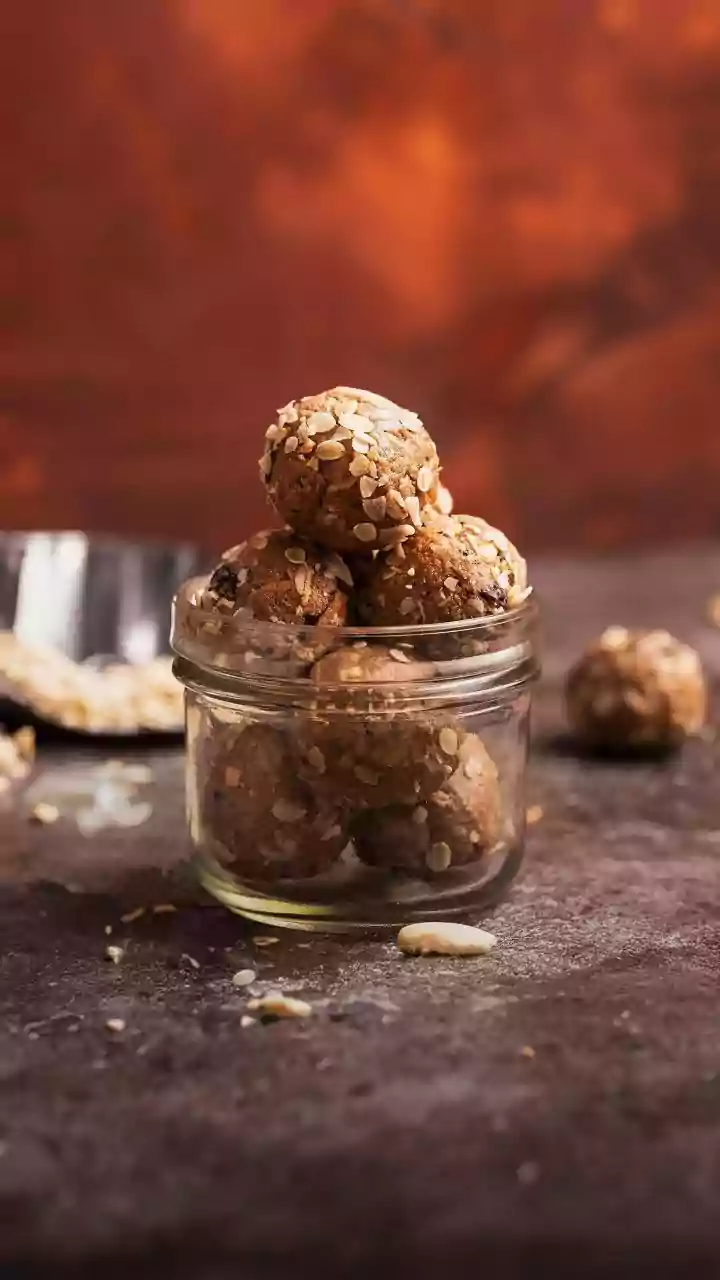
Before wheat and rice dominated our diets, millets were the staple grains of India. Now, they are making a powerful comeback, especially during fasting periods. While samak rice (barnyard millet) has always been a vrat favourite, its use is becoming more imaginative. Instead of just a simple rice dish, we're seeing samak dhokla, idli, and even dosa. Amaranth (rajgira) is another hero ingredient, no longer confined to laddoos or chikki. Rajgira flour is being used to bake fluffy cakes, breads, and muffins, offering a gluten-free and nutrient-dense alternative to traditional flours. This return to roots, powered by modern cooking techniques, is a hallmark of the new vrat cuisine.
Global Cravings, Local Rules
Who says you can't have pizza while fasting? The new rule seems to be: if you can make it with vrat-friendly ingredients, you can eat it. This has led to an explosion of creativity. We're seeing pizza with a base made from buckwheat (kuttu) or amaranth flour, topped with paneer, bell peppers, and a simple tomato sauce (sans onion and garlic). Pasta cravings are being satisfied with zucchini noodles (zoodles) or pasta made from water chestnut flour. There are even vrat-friendly tacos with lettuce cups or singhara atta shells filled with spiced paneer and avocado. It's a testament to the Indian spirit of 'jugaad', applied beautifully to the kitchen.
The Shift from Fried to Fresh
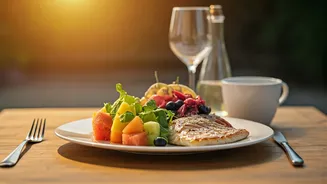
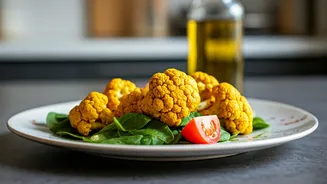
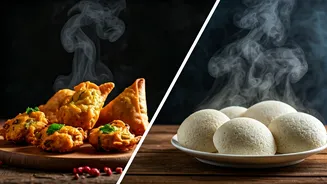
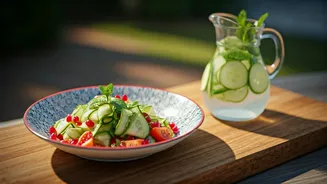
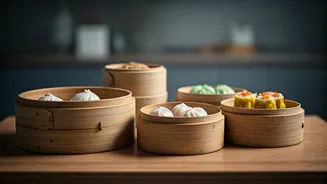
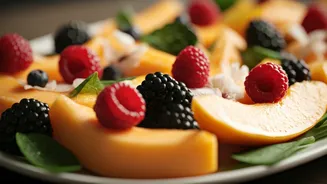
Perhaps the most welcome change is the move away from the kadai. The old vrat menu was heavy on deep-fried items like pooris, pakoras, and sabudana vadas. While delicious, they could leave one feeling lethargic. Today, health-conscious cooks are embracing alternative methods. Air fryers are working overtime to produce crispy sabudana vadas and potato chips with a fraction of the oil. Baking is replacing frying for cutlets and tikkis. Steaming is being used for everything from dhoklas to vegetable parcels. Salads, once unheard of during a fast, are now common, featuring grated cucumber, carrots, and peanuts with a lemon-and-sendha-namak dressing. This focus on lighter, fresher preparations makes the fasting period feel more cleansing and less like an indulgence hangover.