






Why Summer Heat Changes Everything
A balcony in an Indian summer can feel like a furnace, especially in cities like Delhi or Mumbai. Concrete, glass, and metal surfaces absorb and radiate heat, creating a microclimate that is often significantly hotter and drier than a garden at ground
level. Unlike plants in the earth, which benefit from natural insulation, the soil in pots heats up fast. This can lead to roots overheating, even when the soil is moist, causing plants to wilt. Small pots and those made of dark plastic are especially vulnerable, as they absorb and lose moisture rapidly. This is why 'now' is the critical time to rethink your watering strategy; waiting for leaves to scorch is often too late.
The Finger Test: Your Most Important Tool
The single most common mistake in container gardening is watering on a rigid schedule. Watering every day, regardless of conditions, can be as harmful as not watering at all. The solution is simple and low-tech: the finger test. Before you water, stick your index finger about two inches into the soil. If the soil feels moist, hold off. If it feels dry, it's time to water. This simple check helps you respond to your plant's actual needs, which can change daily depending on heat, wind, and humidity. Observing your plants and feeling the soil is far more reliable than any calendar schedule.
Overwatering vs. Underwatering: Decoding the Signs
Frustratingly, both overwatered and underwatered plants can look similar at first glance, often showing yellowing, drooping leaves. However, there are key differences. Underwatered leaves tend to be dry, crispy, and brittle. The soil may pull away from the sides of the pot. Overwatered leaves, on the other hand, are often soft, limp, and may have brown tips with yellow edges. The most decisive factor is the soil; if the plant is wilting but the soil is soggy, you're looking at overwatering, which suffocates the roots and leads to rot.
Technique: Water Deeply, Not Daily
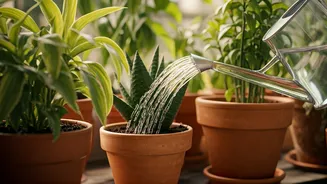
When you do water, do it thoroughly. A quick sprinkle that only wets the top layer of soil is ineffective and encourages shallow root growth. The goal is to water deeply and slowly, allowing the entire root ball to become saturated. Pour water gently at the base of the plant, avoiding the leaves, until you see it running out of the drainage holes at the bottom of the pot. This ensures moisture reaches the deepest roots and also helps flush out any accumulated salts from the soil. For most plants, this deep-watering method means you'll need to water less frequently than you would with shallow daily splashes.
Timing Is Everything: The Morning Rule
The best time to water your balcony plants is early in the morning. This gives the plant’s roots time to absorb the moisture before the day's heat sets in, preparing it to handle afternoon stress. Watering in the morning also allows any moisture on the leaves to evaporate in the sun, reducing the risk of fungal diseases. Watering in the middle of a hot day is inefficient, as much of the water will evaporate before it can be used by the plant. While an evening drink can be helpful during extreme heatwaves, consistently wet foliage overnight can invite pests and rot.
Beyond the Watering Can: Smart Heat Protection
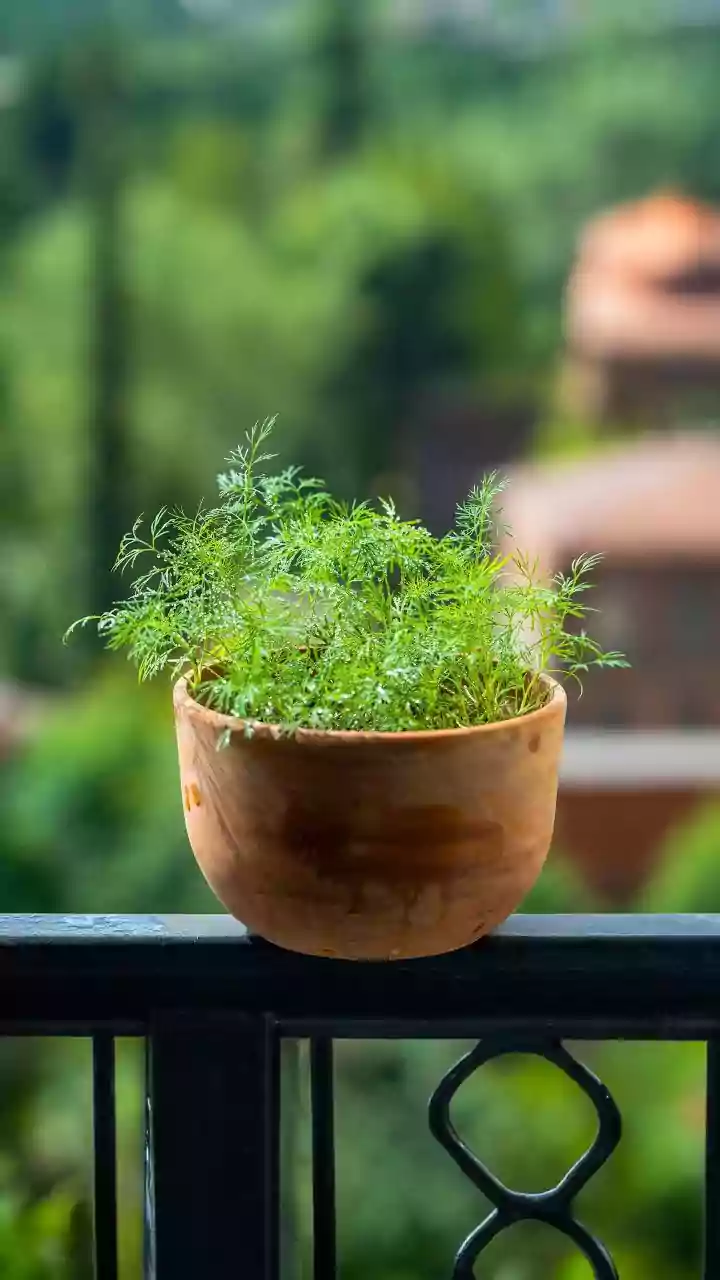
Water discipline is crucial, but it's not the only tool in your arsenal. Protecting roots from cooking is just as important. Add a layer of organic mulch, like bark or straw, to the soil surface to insulate roots and reduce evaporation. If possible, choose light-colored ceramic or terracotta pots over dark plastic ones, as they absorb less heat. Grouping plants together can also create a more humid microclimate, shielding them from drying winds and intense sun. During a severe heatwave, don't be afraid to provide temporary shade with a sheet or umbrella during the hottest part of the day.