
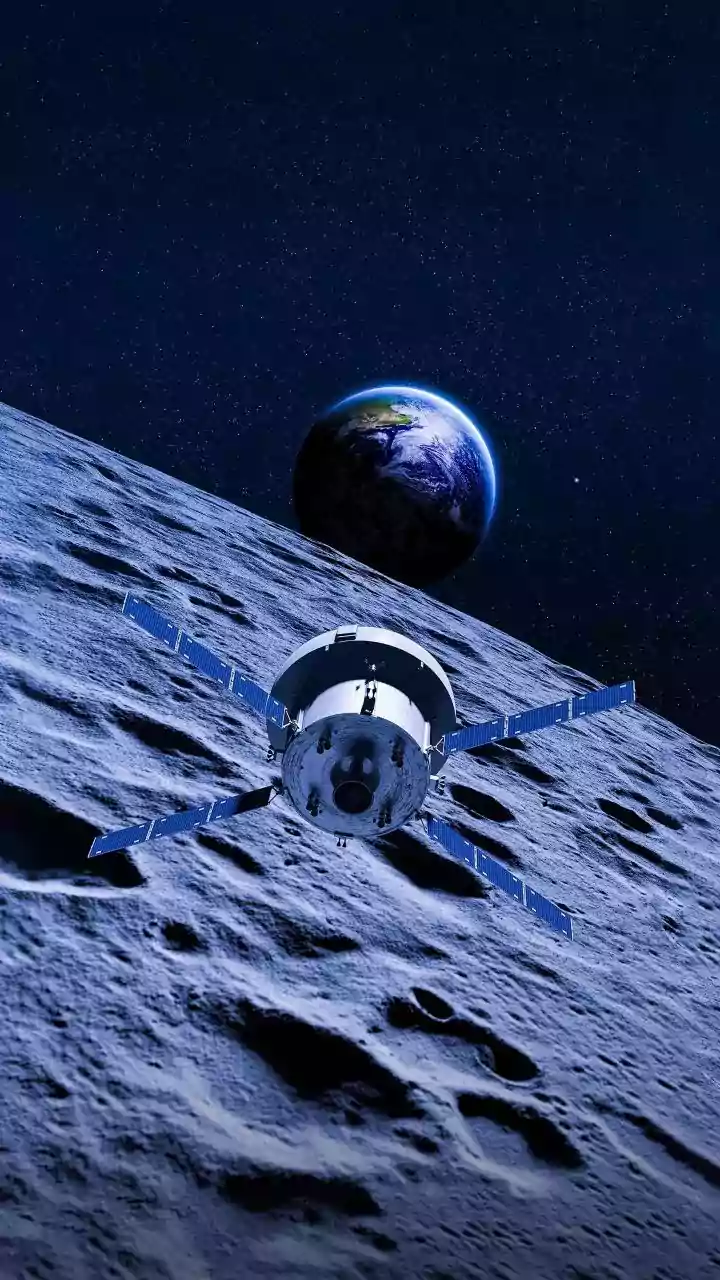
Look up. Soon, the world’s most powerful rocket, SpaceX’s Starship, may be streaking across Indian skies. Its next test flight is a major event, not just for space exploration but for what it signals about the future of global commerce and technology.
What Exactly is Starship?
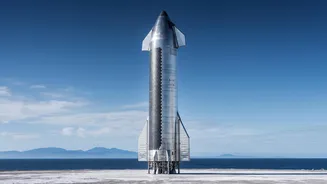
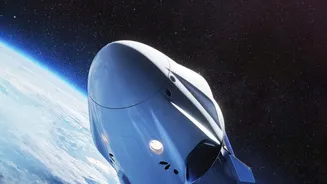
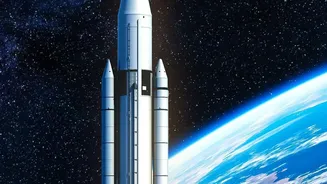
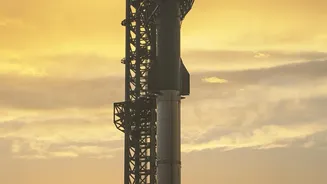
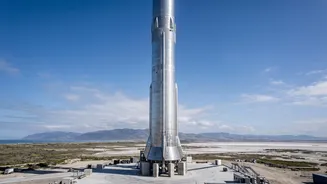
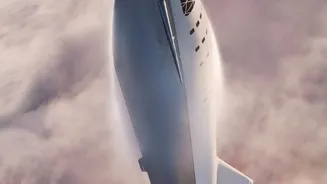
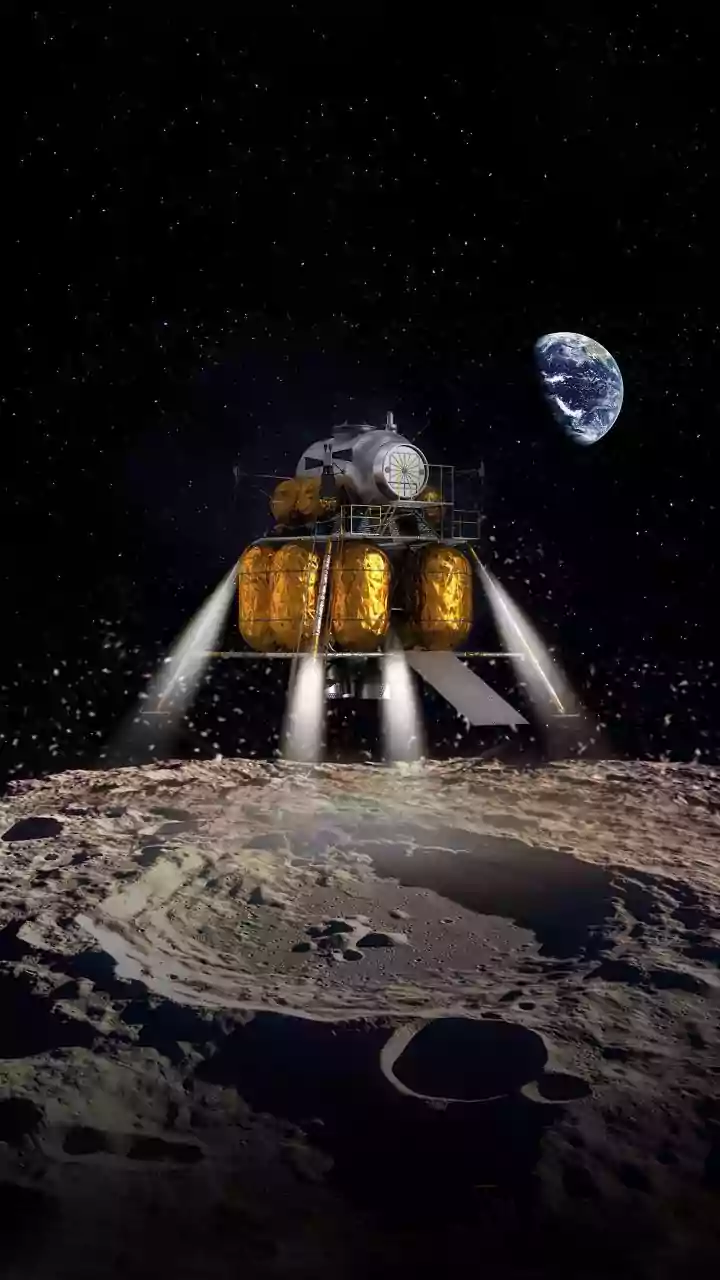
Think of Starship as the next giant leap in rocketry. Developed by Elon Musk’s SpaceX, it’s the tallest and most powerful launch vehicle ever built. Designed to be fully and rapidly reusable, its primary goal is to drastically lower the cost of access to space. The system consists of two parts: a massive first-stage booster called Super Heavy and the upper-stage spacecraft, which is also named Starship. Together, they stand over 120 metres tall. Unlike previous rockets that are discarded after one use, both parts of Starship are designed to return to Earth and land vertically, ready to be refuelled and flown again. This reusability is the key to its game-changing potential, with ambitions to carry people and cargo to the Moon, Mars, and beyond.
A Flyover Confirmed for November
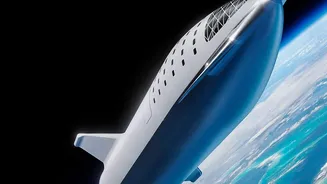
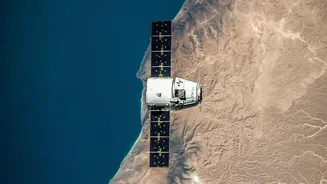
The headline isn't just speculation. SpaceX's fifteenth test flight is targeting a launch window that opens on November 14, India Standard Time, pending final regulatory approvals. This ambitious mission profile is vastly different from previous suborbital hops. The plan involves the Starship upper stage spending over 22 hours in space, completing approximately 14 orbits around the Earth before it attempts to return. It's during these orbits that the spacecraft will repeatedly pass over parts of India, offering a potential (though likely faint) sighting opportunity for keen skywatchers. The flight will launch from SpaceX’s facility in Texas and, if all goes to plan, will end with a daring attempt to catch the returning rocket stages.
Why the Indian Ocean and Skies?
Starship’s path over India isn't a deliberate choice to visit, but a matter of physics. Orbital mechanics dictate a rocket's trajectory based on its launch site, speed, and mission objectives. For tests launching eastward from Texas, the flight path naturally circles the globe, crossing various continents, including Asia. Furthermore, the Indian Ocean has become a crucial location for SpaceX's test program. Several previous flights targeted the Indian Ocean for a controlled splashdown, as it provides a safe, remote area to test re-entry and landing manoeuvres away from populated areas. While the primary goal of the upcoming flight is a return to the launch site, the Indian Ocean remains a designated contingency landing zone.
A Challenge and an Inspiration for ISRO
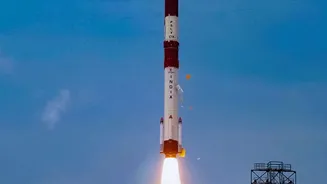
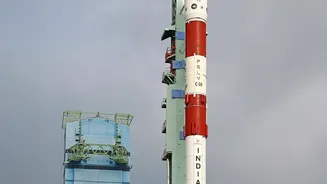
The rapid progress of private companies like SpaceX presents both a competitive challenge and a source of inspiration for national space agencies, including the Indian Space Research Organisation (ISRO). ISRO Chief S. Somanath has publicly praised Elon Musk's work, acknowledging that SpaceX' own innovations, like catching rocket boosters, are pushing the entire industry forward. While ISRO has a long history of remarkable and cost effective achievements, the rise of fully reusable heavy lift rockets like Starship is reshaping the commercial launch market. This new era is prompting discussions within India about accelerating private sector involvement and developing its own reusable launch vehicle technologies to remain competitive in the multi billion dollar space economy.
The Dawn of a New Commercial Space Age
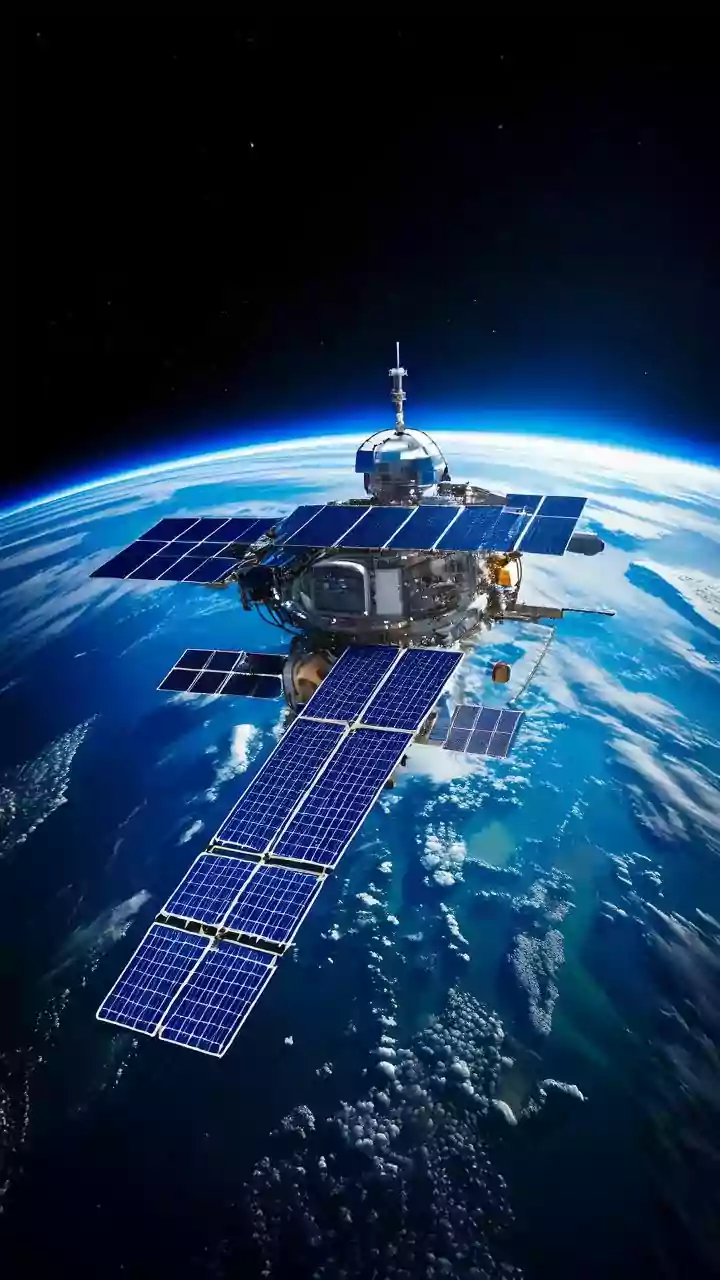
Ultimately, the sight of Starship in our skies is a visible reminder that access to space is undergoing a radical transformation. The goal of this program is to make space travel more frequent and affordable, potentially reducing launch costs by an order of magnitude. This could enable the deployment of massive satellite constellations, the construction of commercial space stations, and eventually, interplanetary travel. The upcoming test flight, which will also deploy 26 next generation Starlink satellites, is another step toward that future. For India, a rising space power with a burgeoning private startup ecosystem, the flyover is a preview of the new commercial frontier taking shape, quite literally, right above our heads.