


Fueling a New Space Economy
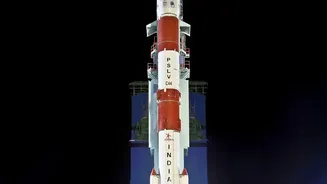
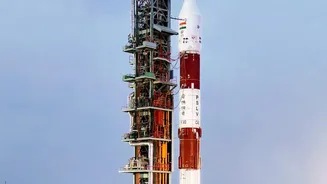
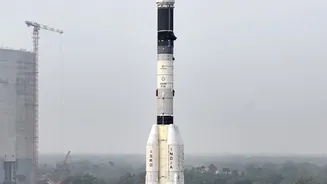
ISRO’s missions are a powerful catalyst for economic growth. The upcoming Gaganyaan mission, India's first human spaceflight program, is a prime example. While sending astronauts to space is the main goal, the mission is also driving significant industrial
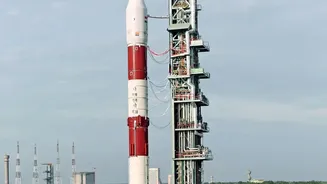
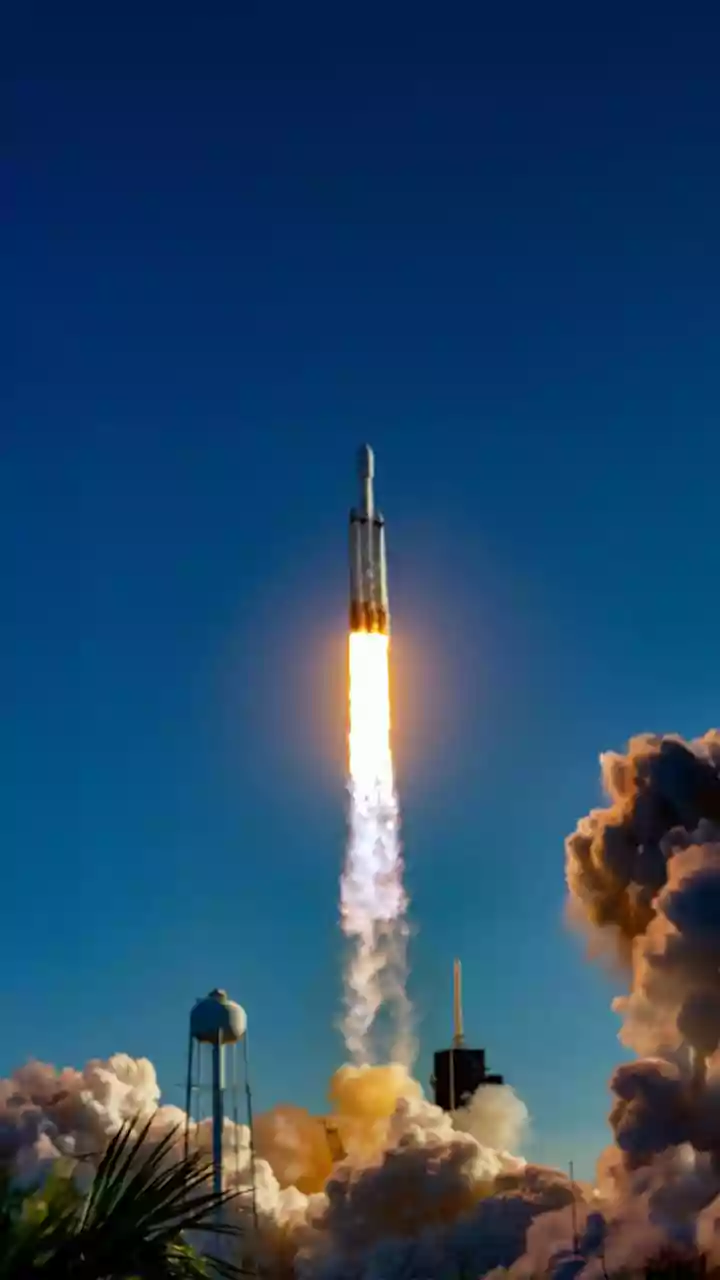
activity. It's estimated that nearly 60% of Gaganyaan's equipment will be sourced from the Indian private sector, creating thousands of jobs and developing a highly skilled workforce in advanced technologies. Furthermore, ISRO's commercial arm, NewSpace India Ltd. (NSIL), is leveraging the agency's cost-effective launch capabilities to place international satellites in orbit, generating significant revenue and boosting India's share of the global space market. This push is empowering a new generation of private startups like Skyroot Aerospace and Agnikul Cosmos to develop their own rockets and satellite technologies, transforming India into a hub for space entrepreneurship. The government's vision is ambitious, aiming to grow India's space economy to $44 billion by 2033.
Strengthening National Security and Governance
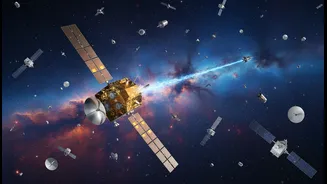
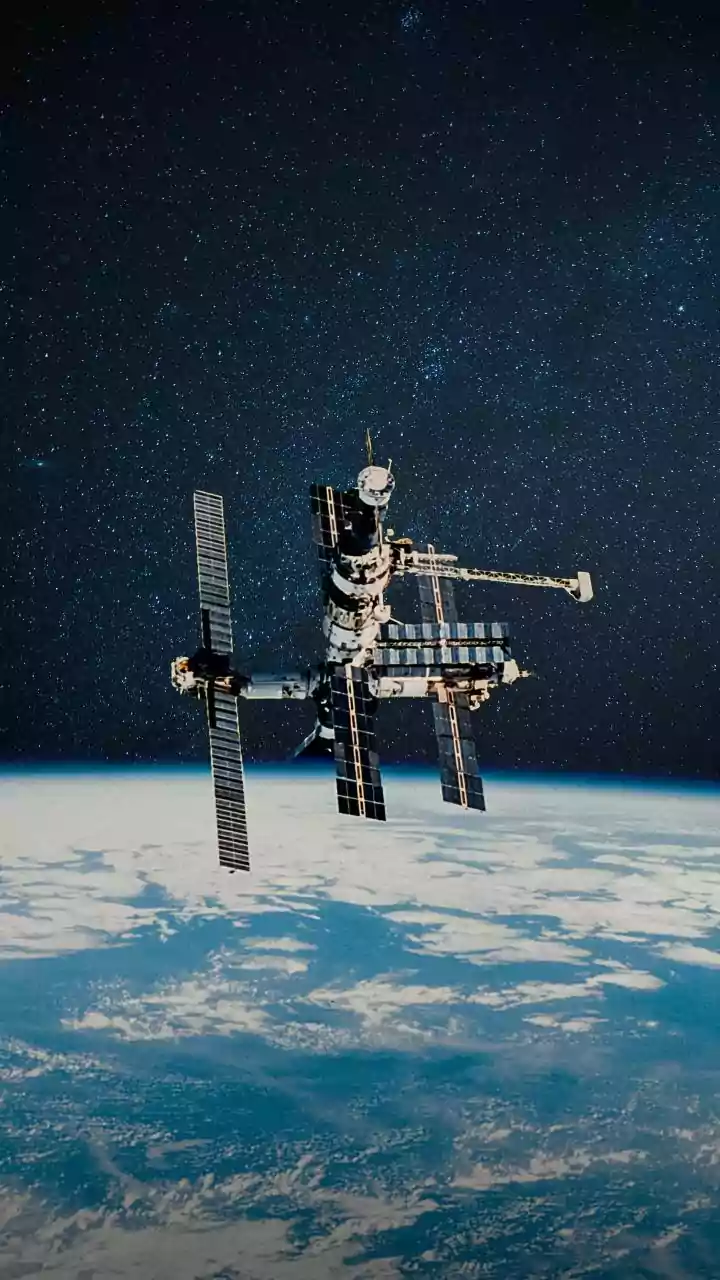
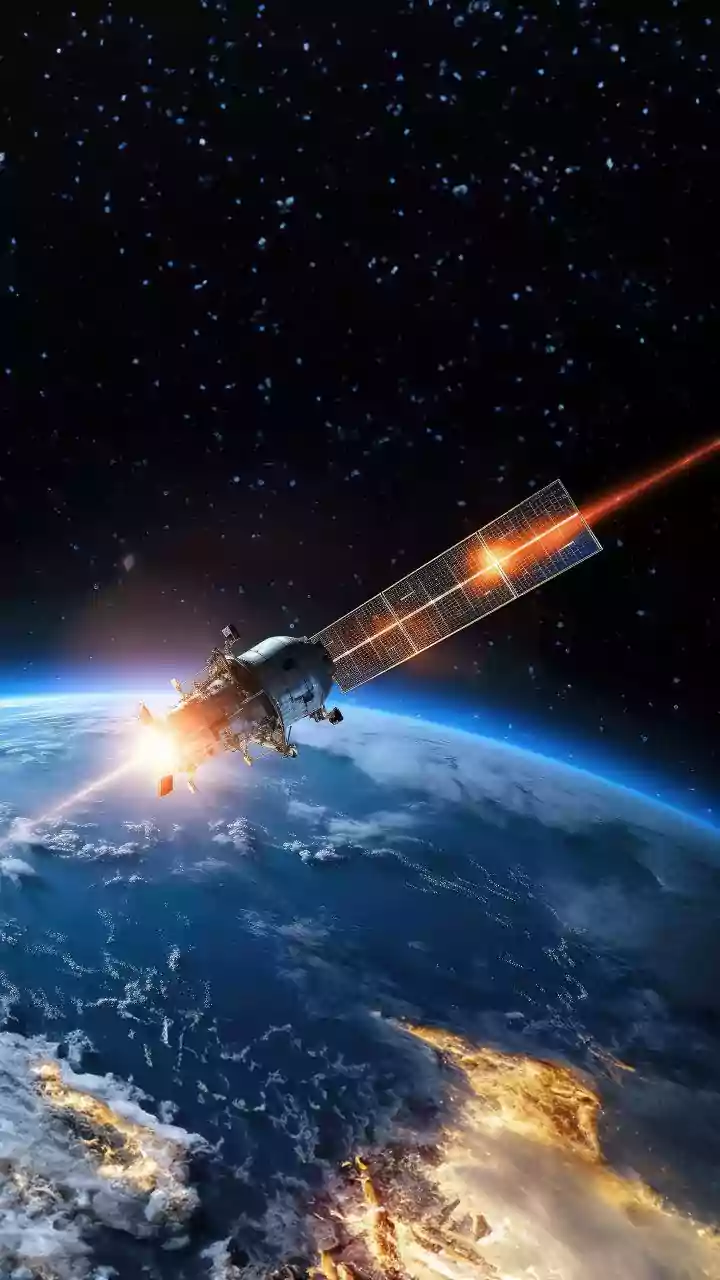
Space technology provides a crucial strategic edge and tools for better governance. A key upcoming mission is NISAR (NASA-ISRO Synthetic Aperture Radar), a joint project with NASA. This state-of-the-art Earth observation satellite will monitor our planet's surface with unprecedented detail. For India, this translates into powerful capabilities for disaster management. NISAR can detect ground movements as small as a centimetre, providing early warnings for landslides, earthquakes, and volcanic activity. Its data will also be invaluable for agriculture, monitoring soil moisture to help farmers optimise water usage, and tracking changes in forests and water resources. This kind of environmental intelligence strengthens food security, aids urban planning, and helps the nation build resilience against climate change. These applications, built on satellites, directly improve the lives and safety of citizens.
Boosting India's Global Standing
Every successful mission elevates India's position on the world stage. Ambitious interplanetary missions like Shukrayaan-1 (to Venus) and Mangalyaan-2 (to Mars) are not just about scientific discovery; they are statements of intent. Shukrayaan-1, planned for a 2028 launch, aims to study Venus's hostile atmosphere, providing insights that could help us better understand climate change on Earth. Mangalyaan-2, planned for around 2030, will be India's first attempt to land a craft on Mars, a feat achieved by only a few nations. These complex missions require collaboration, and ISRO is partnering with international agencies like NASA and the European Space Agency, which strengthens diplomatic ties and positions India as a reliable and capable partner in global scientific endeavours. Successfully executing such missions showcases India's technological prowess and solidifies its status as a major space power.
Inspiring the Next Generation
Perhaps one of the most significant, though less tangible, benefits is the power to inspire. Human spaceflight missions like Gaganyaan have a unique ability to capture the imagination of an entire generation. Seeing Indian astronauts in space, launched on an Indian rocket, can motivate millions of young students to pursue careers in science, technology, engineering, and mathematics (STEM). This creates a pipeline of talent that is essential for a knowledge-based economy. The excitement surrounding these missions fosters a culture of curiosity and innovation. It sends a powerful message that no ambition is too big for India to achieve, fueling not just rockets, but the dreams of its people.