

More Than Just a Meal
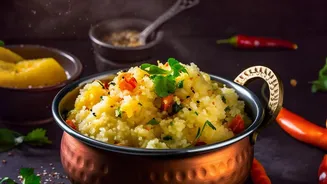
Pulao, in its many forms, is a thread woven through the fabric of Indian culinary life. It’s the centerpiece of a Sunday lunch, a quick weeknight dinner, and a welcome guest at celebrations. Its story is one of travel and transformation, tracing back
to ancient Persia as 'pilaf' and journeying along the Silk Road to India. Over centuries, it was embraced and adapted, with Mughal kitchens perfecting its aromatic subtleties. While traditionally made with fragrant basmati rice, a thoughtful swap offers a chance to reconnect with an even older food heritage: millets.
A Grain with Ancient Roots
Long before rice and wheat dominated Indian fields, millets were the subcontinent's original staple grains. Archaeological evidence shows millets were cultivated during the Indus Valley Civilization, thousands of years ago. These hardy, drought-resistant crops were mentioned in Vedic texts and were the everyday food for a vast portion of the population until the Green Revolution shifted focus to high-yield rice and wheat. From ragi mudde in Karnataka to bajra roti in Rajasthan, millets have been central to regional cuisines for generations. So, making a millet pulao isn’t a new invention; it's a rediscovery of a grain that has sustained Indians for millennia.
The Millet Advantage
Choosing millet over white rice is more than a nod to history; it's a significant nutritional upgrade. Millets are packed with more fibre and protein than polished rice, which helps you feel full longer. They are also richer in essential minerals like iron and calcium. One of the biggest advantages is their lower glycemic index, which means they release sugar into the bloodstream more slowly. This makes millet pulao an excellent choice for steady, sustained energy without the sharp spikes associated with refined grains. From an environmental perspective, these 'climate-smart' crops require less water and can grow in arid conditions, making them a sustainable choice for the future.
Painting with Colourful Produce
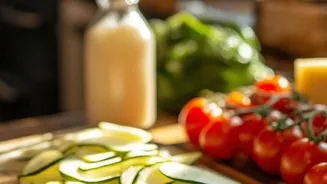
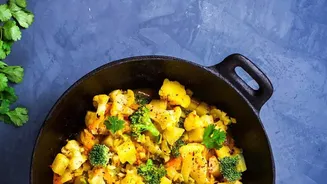
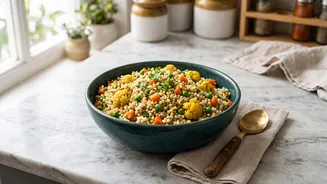
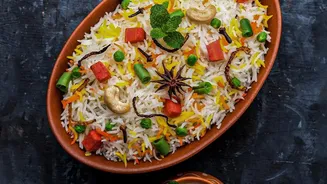
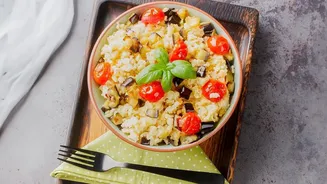
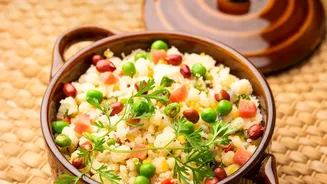
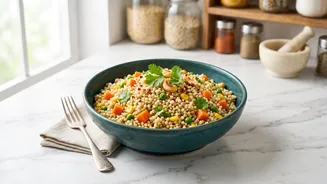
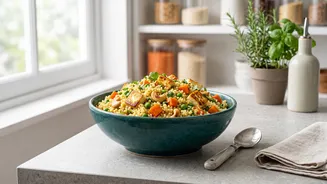
The true beauty of a vegetable pulao lies in its colours and textures. This is where you, the cook, become an artist. Using a vibrant mix of seasonal vegetables not only makes the dish visually stunning but also layers it with flavour and nutrients. Think of the sweetness of carrots, the earthiness of green beans, and the pop of green peas. Don't be afraid to experiment. Add chunks of potato for heartiness, cauliflower for its texture, or bell peppers for a splash of colour and sweetness. The key is to cut them into uniform pieces for even cooking and to add them at the right time so they retain a slight bite, preventing a mushy final product.
Secrets to a Fluffy Finish
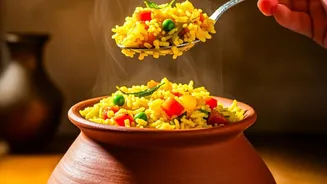
The fear of ending up with a sticky, stodgy pulao keeps many from trying millets. But achieving that perfect, fluffy texture where every grain is separate is simple with a few key steps. First, always rinse your millet thoroughly in a few changes of water. Some millets, like foxtail, don't require soaking, while others benefit from a short 15-30 minute soak. The water-to-millet ratio is crucial; a 1:2 ratio (one cup of millet to two cups of water) is a reliable starting point for most varieties. After adding the millet to your sautéed spices and vegetables, bring the water to a rolling boil, then reduce the heat to the lowest setting, cover the pot tightly, and let it cook undisturbed for about 15-20 minutes. The final, most important step? Let it rest. Once cooked, turn off the heat and let the pulao sit, covered, for at least 10 minutes before fluffing it gently with a fork.