






More Than Just a Cuppa
The monsoon brings welcome relief from summer's heat, but it also ushers in a period of lower immunity and a craving for warmth and comfort. While masala chai is an all-weather companion, a growing number of urban dwellers are turning to herbal infusions,
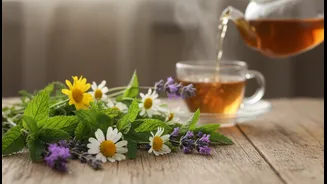
or tisanes, as a daily wellness practice. This shift is about more than just a hot beverage; it’s a conscious choice for health. Driven by a desire to boost immunity and find a soothing, caffeine-free alternative, these home-brewed concoctions are becoming a staple for fending off seasonal sniffles and the general dampness of the season. It’s a modern take on the age-old wisdom passed down from grandmothers, who have long relied on herbs to combat monsoon-related ailments.
The Monsoon Wellness Connection
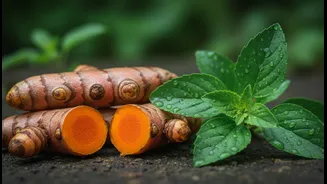
The rainy season, while romantic, is notorious for health challenges like colds, coughs, and digestive issues. This is where herbal teas find their purpose. Ayurveda has long advocated for specific herbs during this season to keep the body warm, improve digestion, and bolster the immune system. Ingredients like ginger, tulsi, and turmeric are not just flavourful additions; they are packed with properties believed to help the body adapt. Ginger is known to aid digestion and fight respiratory infections, while Tulsi (Holy Basil) is revered as a powerful immune-booster. Turmeric, with its active compound curcumin, is celebrated for its anti-inflammatory benefits. Together, they form a potent blend that aligns perfectly with the body's needs during the monsoon.
A Symphony of Kitchen Herbs
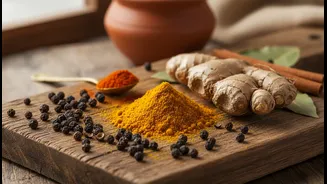
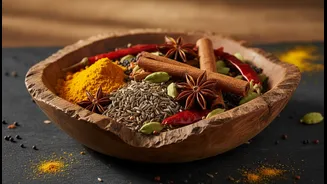
The beauty of this trend lies in its accessibility. The most popular ingredients are often already in our kitchens. Blends frequently start with a base of ginger and Tulsi. From there, a host of other spices can join in. Lemongrass adds a refreshing, citrusy note, while black pepper is often included not just for its pungency but because it helps the body better absorb curcumin from turmeric. Cinnamon and cloves add warmth and sweetness, making the brew a truly multi-sensory experience. Some enthusiasts also incorporate herbs like mint for its refreshing qualities or Ashwagandha for its stress-relieving properties, creating personalised blends tailored to their specific needs.
The Mindful Ritual of Brewing
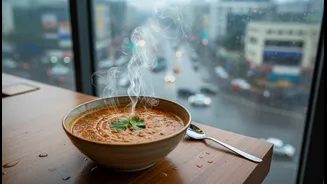
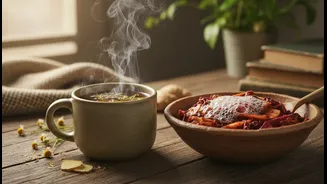
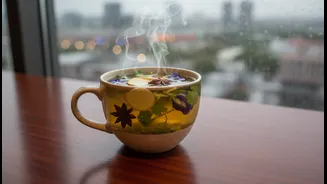
This trend is as much about the process as it is about the final product. It encourages a moment of pause in a busy day. The act of selecting fresh herbs, grating ginger, and watching the water change colour as the ingredients infuse becomes a small, mindful ritual. It’s a sensory experience—the spicy aroma filling the kitchen, the warmth of the mug in your hands, the soothing first sip. In a world of instant gratification, the ten minutes it takes to brew a pot of herbal tea is an intentional act of self-care. It’s a way to disconnect from screens and reconnect with oneself, finding calm and comfort while the rain pours outside.
From Home Remedies to Curated Blends
While many are rediscovering the joy of making their own 'kadha' from scratch, the market has also responded to this growing interest. A burgeoning ecosystem of direct-to-consumer wellness brands now offers a wide array of curated herbal tea blends. These products cater to the urban consumer who is short on time but still values quality and authenticity. Featuring beautifully packaged infusions with names like 'Immunity Brew' or 'Monsoon Magic', these brands make it easy to enjoy a high-quality herbal tea without the hassle of sourcing and mixing individual ingredients. This commercial availability has helped propel the trend from a niche practice to a mainstream lifestyle choice, making wellness both accessible and aspirational.