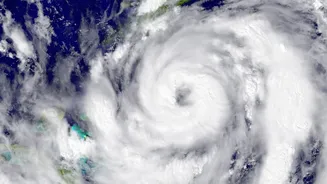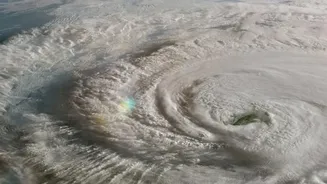









As Very Severe Cyclonic Storm Arnab barrels towards India's eastern coast, authorities have activated extensive coastal security protocols. This guide explains the storm's status, the areas on high alert, and what you need to do to stay safe.
Cyclone Arnab's Latest Position and Intensity
Cyclone Arnab
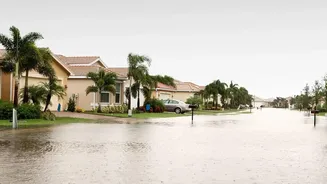
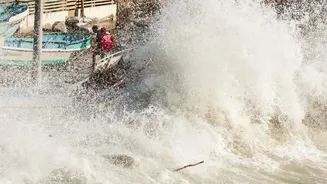
made landfall on the Andhra Pradesh coast during the early hours of Wednesday, October 28. The India Meteorological Department (IMD) confirmed that the 'very severe' cyclonic storm crossed the coast between Bapatla and Visakhapatnam, near Yanam, in a process that began around 2 a.m. and concluded by 8 a.m. At its peak during landfall, the system brought maximum sustained wind speeds of 125-135 kmph, with gusts reaching up to 150 kmph. After moving completely over land, Cyclone Arnab weakened into a 'severe cyclonic storm' and is expected to weaken further into a deep depression later today. The IMD has warned of a potential storm surge of 1.0 to 1.5 metres above the normal tide, which could inundate low-lying coastal areas in Andhra Pradesh.
States on High Alert
Andhra Pradesh is bearing the brunt of the cyclone's impact, with multiple coastal districts on high alert, including Visakhapatnam, Kakinada, Konaseema, East and West Godavari, and Krishna. The state government has been in crisis mode, with Chief Minister N. Chandrababu Naidu holding review meetings to direct relief and restoration efforts. Neighbouring Odisha is also on high alert, particularly in southern districts like Malkangiri, Koraput, and Gajapati, where heavy rainfall is expected as the system moves inland. The IMD has issued advisories for several other states, including Telangana, Chhattisgarh, Jharkhand, West Bengal, and even parts of eastern Uttar Pradesh, which are expected to receive heavy rainfall and strong winds as the cyclone's remnants move northward.
Understanding the 'Coastal Security Protocols'
The term 'coastal security protocols' refers to a multi-layered emergency response plan activated to minimise loss of life and property. A primary component is mass evacuation. Ahead of landfall, authorities evacuated nearly 1.5 lakh people from vulnerable, low-lying areas in Andhra Pradesh and Odisha to safer shelters. This effort included moving thousands of pregnant women to hospitals as a precaution. The protocols also involve a complete suspension of fishing operations, with advisories broadcast in local languages to ensure all boats return to shore. The Indian Coast Guard and maritime authorities secured ports and anchored over 30,000 fishing vessels. Furthermore, a massive deployment of disaster response teams is underway. The National Disaster Response Force (NDRF) has deployed over 30 teams across the affected states, supported by State Disaster Response Force (SDRF) units, fire services, and medical teams. These teams are equipped for search, rescue, and immediate clearance of debris like fallen trees and power lines.
Disruptions and Precautionary Measures
The cyclone has caused significant disruption to travel and daily life. The South Central Railway cancelled at least 64 train services as a safety measure. Flight operations at airports in Visakhapatnam and Vijayawada have been affected, with airlines cancelling services and advising passengers to check their flight status. Power has been disrupted in many coastal areas, including Visakhapatnam, with authorities standing by to begin restoration work as soon as wind speeds permit. To ensure public safety, access to beaches has been banned, and movement on coastal roads has been restricted. Officials have established thousands of control rooms at the district and mandal levels and appointed nodal officers to coordinate the emergency response.
How to Stay Safe and Informed
For residents in the affected regions, the government's primary advice is to prioritise safety by staying indoors and avoiding vulnerable structures. It is critical to follow official instructions, especially if asked to move to a designated cyclone shelter. Authorities have prepared over 2,100 shelters in Andhra Pradesh alone, stocked with food, drinking water, and medical supplies. To avoid misinformation, rely only on official channels for updates. These include bulletins from the India Meteorological Department (IMD) and alerts from the National Disaster Management Authority (NDMA). Andhra Pradesh has also set up a dedicated WhatsApp number (9552300009) for cyclone-related assistance. Prepare an emergency kit with essentials like drinking water, nonperishable food, a first aid kit, torches, and batteries. Ensure your mobile phones are fully charged. As the storm passes, be extremely cautious of fallen power lines, uprooted trees, and waterlogged areas.