

An Introduction to Bishkek's Bazaars
Bishkek, the leafy capital of Kyrgyzstan, is a city where Soviet-era architecture meets the timeless traditions of Central Asia. Nowhere is this more apparent than in its sprawling bazaars. These markets are not just places to shop; they are the pulsating
heart of the city, a place for socialising, catching up on news, and experiencing authentic Kyrgyz culture. For a budget traveller, they offer a treasure trove of affordable food, unique souvenirs, and unforgettable experiences. Unlike polished tourist traps, Bishkek's markets are raw, chaotic, and utterly captivating, offering a real glimpse into local life. Visiting a bazaar is a must-do to understand the city's rhythm.
Must-Visit Market: Osh Bazaar
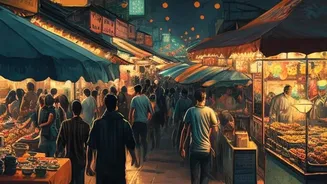
If you only have time for one market, make it Osh Bazaar. Located in the western part of the city, this large, open-air market is where most locals do their daily shopping. It can feel overwhelming at first, with its maze-like alleys, but it's an experience you won't forget. The market is loosely divided into sections. You’ll find aromatic spices, nuts, and colourful mountains of dried fruits perfect for snacking or taking home. Deeper inside, there are sections for household goods, clothing, and a meat pavilion where you can find mutton, beef, and the local delicacy, horse meat. For souvenirs, the adjacent Kiyal Market offers national products like felt slippers, miniature yurts, and traditional hats.
For the Serious Shopper: Dordoi Bazaar
Prepare yourself for Dordoi Bazaar, the largest market in Central Asia. Located on the outskirts of Bishkek, this is less of a traditional market and more of a city built from tens of thousands of stacked shipping containers. Each container is a shop, with the one on top used for storage. While it's a primary wholesale hub for traders across the region, it’s also a place where you can find almost anything imaginable at incredibly low prices, from clothing and electronics to household goods. Navigating Dordoi requires time and patience; it's a sprawling complex covering about 100 hectares. It's best to take a marshrutka (shared taxi) or a regular taxi to get there. It’s an intense but rewarding experience for any serious bargain hunter.
Bargaining and Money Matters
The currency in Kyrgyzstan is the Kyrgyz Som (KGS). While some larger hotels may accept cards, cash is king in the markets. It’s wise to bring a mix of denominations, as vendors may struggle to make change for large 5,000-som notes. You can exchange currency at banks or licensed exchange offices in Bishkek, which offer better rates than you'll find in smaller towns. Bargaining is expected and part of the culture, especially for non-food items like souvenirs and clothing. A good starting point is to offer 60-70% of the asking price and negotiate from there. Learning a few basic Russian or Kyrgyz numbers will be very helpful, as English is not widely spoken by vendors.
Budget-Friendly Souvenirs to Buy
You don't need a big budget to bring home meaningful souvenirs. Osh Bazaar is known for having some of the cheapest finds in the city. Look for traditional Kyrgyz felt products; you can find small items like slippers, coasters, or miniature decorative yurts for a reasonable price. Edible souvenirs are another great option. The markets are filled with vendors selling delicious dried fruits like apricots and raisins, as well as a huge variety of nuts, particularly walnuts from the Fergana Valley. Local honey and handmade sweets like chak-chak (fried dough with honey) are also affordable and easy to pack.
Feasting on a Budget: Market Food
The markets are the best place to find delicious and cheap local food. Be sure to try samsa, a flaky pastry filled with minced lamb and onions, baked fresh in a tandoor oven. Another must-have is lepyoshka, the iconic round bread that is a staple of every meal. You’ll also find stalls selling plov, a fragrant rice pilaf with meat and carrots, and manti, which are steamed dumplings. For a true taste of nomadic culture, you might be offered kymyz (fermented mare's milk) or kurut (salty, dried yogurt balls). These flavours can be an acquired taste but are a core part of the local experience. For just a few dollars, you can enjoy a hearty and authentic Kyrgyz meal.