




The Moon: Back in the Spotlight
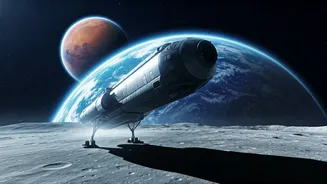
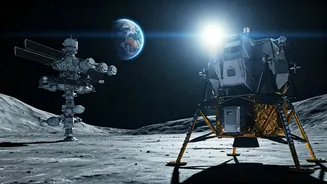
More than fifty years after humanity's last steps on the lunar surface, the Moon is once again the hottest destination in the solar system. Leading the charge is NASA's Artemis program, an international effort to establish a sustainable human presence
on our celestial neighbour. In a major milestone, the Artemis II mission is slated to send four astronauts on a flyby around the Moon in 2026, the first time humans will have ventured beyond low-Earth orbit since 1972. This isn't just about planting flags; it's the precursor to Artemis IV, which aims for a crewed lunar landing in 2028, setting the stage for a permanent moon base. But the US isn't the only nation with lunar ambitions. China's space program is making impressive strides with its Chang'e missions. The upcoming Chang'e-7 mission, planned for 2026, will explore the lunar south pole, a region believed to hold vast reserves of water ice—a critical resource for future long-term missions. This parallel push creates a dynamic of both competition and opportunity, accelerating the pace of innovation for all.
The Rise of the Private Space Race
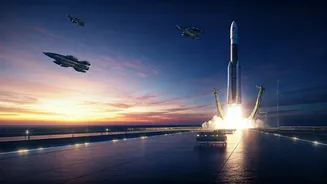
This new era is defined as much by corporate logos as it is by national flags. Companies founded by billionaires, like Elon Musk's SpaceX and Jeff Bezos's Blue Origin, have fundamentally changed the economics of spaceflight. SpaceX, with its reusable Falcon 9 rockets, has dominated the launch market, lofting more satellites into orbit than all other entities in history combined. Its colossal Starship rocket is central to NASA's Artemis plans for landing astronauts on the Moon. Blue Origin, meanwhile, is developing its own heavy-lift rocket, New Glenn, and a lunar lander called Blue Moon, positioning itself as a major competitor and partner in building a lunar economy. This commercial rivalry is driving down costs and increasing access to space, making ambitious projects like commercial space stations and even space tourism a tangible reality. The result is a vibrant ecosystem where private innovation and government missions push each other forward.
India's Ascent as a Space Power
Amidst this global activity, India has firmly established itself as a key player. Following the historic success of Chandrayaan-3's landing on the lunar south pole, the Indian Space Research Organisation (ISRO) is embarking on its most ambitious project yet: the Gaganyaan mission. This program aims to send Indian astronauts into orbit, making India only the fourth nation in the world to achieve independent human spaceflight capability. A series of uncrewed test flights are scheduled for 2026, paving the way for a crewed mission in the years to follow. Prime Minister Narendra Modi has highlighted that Gaganyaan is a stepping stone towards even greater goals, including an Indian space station by 2035. With plans for a new launch complex in Tamil Nadu and dozens of missions on the schedule, India is not just participating in the new space age—it is helping to lead it.
Beyond the Horizon: Mars and New Telescopes
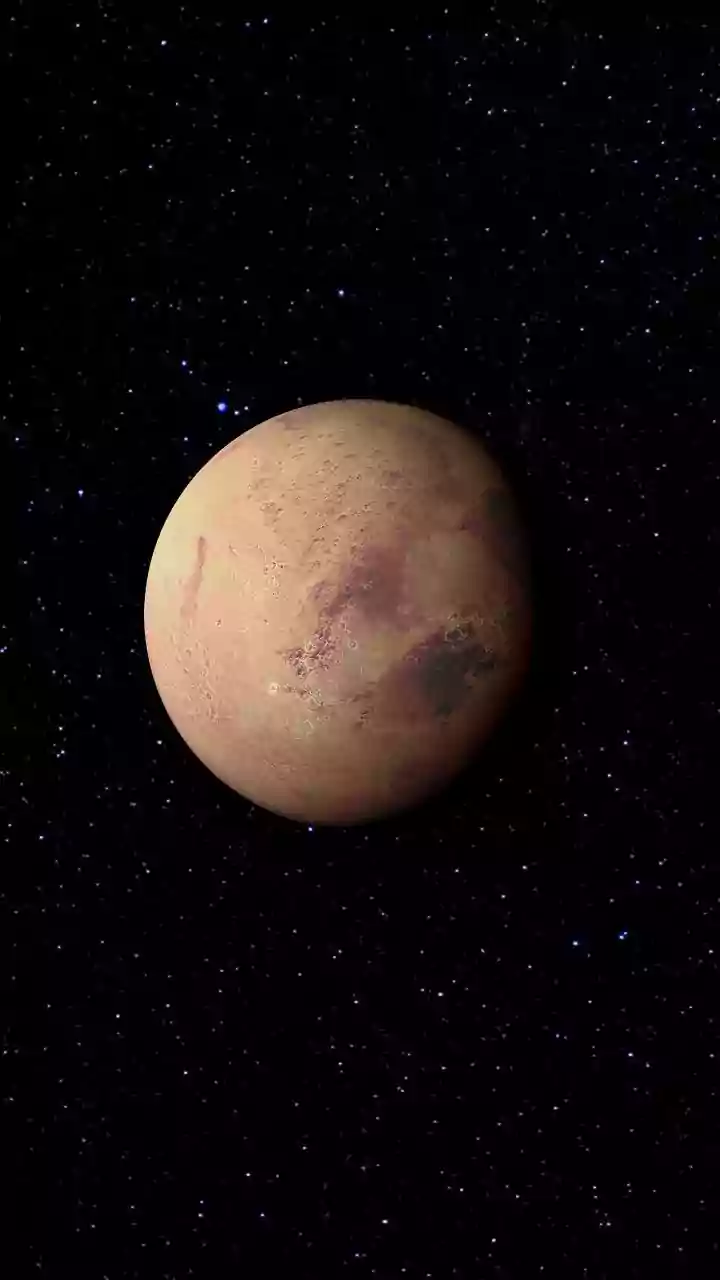
While the Moon is the immediate focus, it's largely seen as a proving ground for humanity's next giant leap: Mars. Robotic missions continue to lay the groundwork, and in 2026, Japan's Martian Moons eXploration (MMX) mission will launch to study Phobos and Deimos, aiming to return the first-ever samples from the Martian system. This new chapter also extends our vision deep into the cosmos. In 2026, NASA is scheduled to launch the Nancy Grace Roman Space Telescope, an observatory with a field of view 100 times larger than Hubble's, designed to map billions of galaxies and hunt for exoplanets. Not to be outdone, China plans to launch its own powerful Xuntian space telescope in the same year, which will co-orbit with its Tiangong space station and conduct wide-sky surveys. These powerful new eyes in the sky promise to revolutionise our understanding of the universe, searching for answers to fundamental questions about dark energy and the origins of life.