







The Heart of the Matter: FSSAI's Crackdown
The Food Safety and Standards Authority of India (FSSAI) has intensified its scrutiny of packaged food labels, issuing notices to several companies for what it calls misleading claims. This crackdown targets the use of appealing but often vague terms
that can influence consumer choices. The regulator is enforcing the Food Safety and Standards Act, 2006, and its Advertising and Claims Regulations, demanding that any claim made on a package must be accurate and scientifically verifiable. Recent actions have seen notices sent to brands for using words like "Fresh," "100% Organic," and for making unsubstantiated health claims such as "boosts immune system" without the necessary scientific proof or regulatory approvals.
The Problem with 'Natural' and 'Healthy'
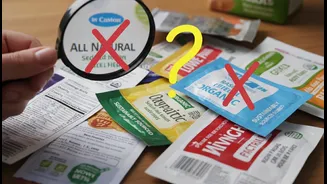
Words like 'natural' and 'healthy' have become powerful marketing tools, but they often lack a clear, regulated meaning that consumers can trust. For instance, FSSAI recently questioned a product claiming to be "100% Natural" while its own ingredient list declared preservatives and synthetic colours. The term 'healthy' is also under the scanner. FSSAI has flagged products and even brand names that imply a general state of health, arguing that such claims are misleading if not supported by specific nutritional criteria. A product high in sugar or sodium, for example, cannot be marketed as 'healthy' without being deceptive. This action aims to close the gap between the healthy image projected on the front of the pack and the actual nutritional information on the back.
Deconstructing 'Premium' and Other Buzzwords
Beyond 'natural' and 'healthy', FSSAI's actions reveal how other marketing terms can create false impressions. The word 'premium', for example, was used on a chocolate product that allegedly contained hydrogenated vegetable fat instead of cocoa butter, a key ingredient in high-quality chocolate. Similarly, products like 'Fruitz Eclairs' were flagged for suggesting a fruit flavour while containing no actual fruit. The regulator has also taken issue with the unqualified use of "100%", noting in an advisory that the term is not formally defined under food safety laws and can therefore be misleading. This extends to claims like "100% Organic" or "100% Vegetarian" on products that haven't secured the necessary certifications or approvals, which FSSAI considers a violation.
Why Is This Happening Now?
This regulatory push is driven by a growing awareness of public health and consumer rights. As more Indians become health-conscious, they rely on food labels to make informed decisions. However, misleading claims can create false perceptions about a product's benefits. FSSAI's sustained effort, which has seen notices sent to multiple companies over recent months, indicates a larger strategic shift towards greater transparency and accountability in the food industry. Consumer rights advocates have welcomed these moves, emphasizing that shoppers often make purchasing decisions based on the prominent claims on the front of a package.
What This Means for Your Grocery Run
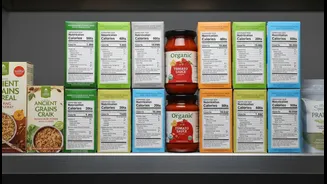
This crackdown is good news for consumers. It signals a move towards a marketplace where the words on a food label are more likely to reflect what's actually inside. In the short term, you may see some of your favourite brands changing their packaging. For shoppers, it’s a reminder to be a discerning customer. Don't just rely on the bold claims on the front. Turn the package over and read the ingredient list and the nutritional facts panel. Ingredients are listed in descending order of weight, so the first few items make up the bulk of the product. Look for hidden sugars, high sodium levels, and artificial additives, especially in products that claim to be 'natural' or 'healthy'. The ultimate goal of this regulatory action is to empower you to make genuinely informed choices.