



The Unseen Scourge on a Pristine Landscape
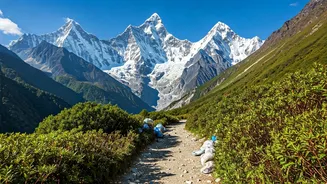
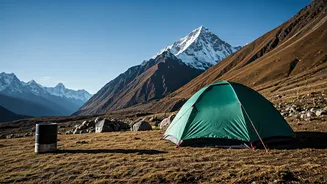
For trekkers, the Himalayas represent the pinnacle of natural beauty—snow-capped peaks, lush valleys, and crystal-clear streams. But with the surge in tourism, an unwelcome companion has appeared on these trails: garbage. Plastic wrappers, single-use
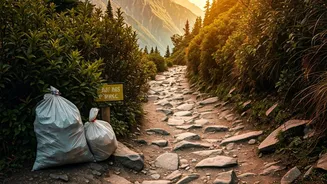
bottles, food packaging, and other non-biodegradable items are accumulating at an alarming rate. This isn't just an eyesore; it's an ecological crisis. The waste contaminates soil and vital water sources for millions downstream. In a region where the ecosystem is already fragile, the impact is devastating, harming wildlife that sometimes ingests plastic and disrupting the delicate natural balance. Studies show that tourism in the Indian Himalayan Region generates millions of tonnes of waste annually, a problem that traditional waste management infrastructure in these remote areas is ill-equipped to handle.
Beyond Pick-Up: The 'Zero-Waste' Philosophy
In response, a new wave of environmentalism is taking hold, led by dedicated organisations and local communities. These are not just one-off cleanup events; they are comprehensive 'zero-waste' initiatives. The goal extends beyond merely collecting trash to preventing it from being generated in the first place. This approach involves a systemic shift, tackling the problem at its source. Organisations like Healing Himalayas Foundation and Waste Warriors are at the forefront, implementing models that focus on waste segregation, recycling, and upcycling. The annual Himalayan Cleanup, conceived by Zero Waste Himalaya and the Integrated Mountain Initiative, has become a massive movement, using cleanups as a tool to conduct waste and brand audits, identifying the main sources of plastic pollution and demanding corporate accountability.
How the Cleanliness Drives Work
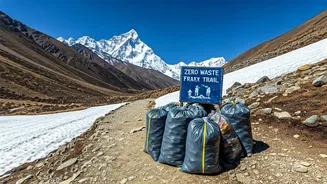
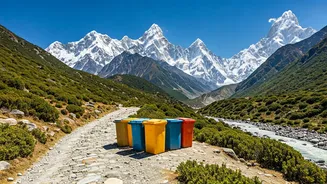
These drives are a coordinated effort involving volunteers, local villagers, and trekkers. Trekking companies like Indiahikes have integrated these principles into their operations, providing trekkers with 'eco-bags' to collect waste they find on the trail. This turns every trekker into a steward of the environment. The collected waste is brought down to base camps, where it is meticulously segregated. Non-biodegradable waste, which can form over 96% of the trash on some treks, is sent to recycling centres. Biodegradable waste is often composted locally. Furthermore, these initiatives often involve building mountain-ready infrastructure, like Material Recovery Facilities in remote villages, which empower communities to manage waste effectively and create green livelihoods. Cleanliness drives in 2026 have already taken place across the Himalayas, from Arunachal Pradesh to Nagaland, clearing hundreds of kilograms of waste and highlighting the dominance of single-use plastics.
Empowering Local Communities as Guardians
The long-term success of these initiatives hinges on the involvement of local communities. Rather than being passive recipients of aid, villagers are becoming active partners and leaders. NGOs are training and employing locals as 'Safai Sathis' or 'Paryavaran Sakhis' (Friends of the Environment), who lead door-to-door waste collection and educate their communities on segregation. This not only helps manage waste but also provides sustainable livelihoods and empowers residents, particularly women. By involving local dhabas, guest houses, and self-help groups, the movement fosters a sense of ownership and ensures that the principles of responsible tourism are embedded in the local economy. This community-centric model is crucial for creating lasting change in regions where outside intervention alone is insufficient.
The Trekker’s Role in a Cleaner Future
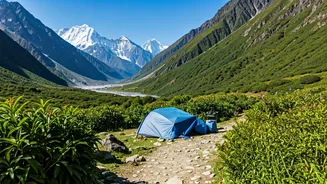
While organisations and communities are leading the charge, individual trekkers have a critical role to play. The principle of 'Leave No Trace' is more important than ever. Responsible trekking starts at home with conscious packing—minimising single-use plastics and carrying reusable alternatives like water bottles and cutlery. Trekkers are encouraged to carry all their non-biodegradable waste back with them. Choosing trekking operators that have a clear and enforced environmental policy is another powerful way to support the movement. By being mindful of consumption patterns, properly disposing of waste, and even participating in organised cleanups, every visitor can contribute to preserving the Himalayas for generations to come, ensuring the trails remain as beautiful as the peaks they lead to.