






What is Modular Cooking?
Think of it like building with LEGOs, but for your dinner plate. Instead of cooking a complete, single dish like biryani or palak paneer from start to finish, modular cooking involves preparing individual components separately. You might spend a little
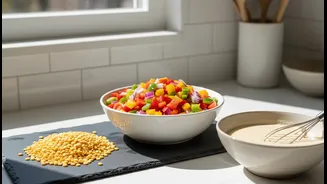
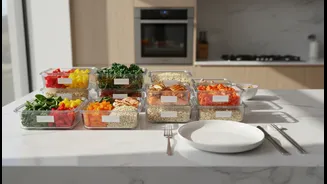
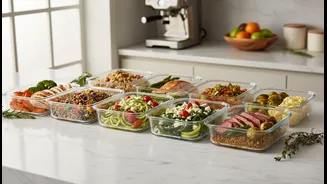
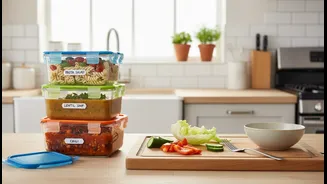
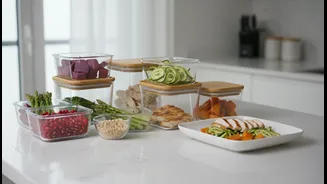
time on Sunday cooking a large batch of rice, roasting a tray of mixed vegetables, grilling some chicken or paneer, and whipping up a versatile sauce or chutney. Each of these components is stored separately. Then, throughout the week, you can mix and match these 'modules' to create a variety of different meals quickly and with minimal effort.
The End of Recipe Fatigue
Many people are feeling burnt out from the constant pressure of planning and executing specific recipes. This 'recipe fatigue' stems from the time it takes to find a new dish, create a shopping list, and the stress of a complicated cooking process after a long day. Modular cooking offers an escape. It’s a system that allows for creativity and spontaneity. Instead of asking, "What recipe should I make?" you ask, "What can I build with the components I have?" This shifts the focus from rigid instruction to resourceful assembly, accommodating whatever you have in the fridge and whatever you're in the mood for.
More Flexibility, Less Food Waste
One of the biggest advantages of the modular approach is the dramatic reduction in food waste. We've all been there: a recipe calls for half a bunch of coriander, and the rest wilts in the crisper drawer. By prepping ingredients as standalone components, you’re more likely to use them up. That leftover roasted broccoli from Monday can be tossed into a wrap on Tuesday or mixed with dal and rice on Wednesday. This method is also a lifesaver for households with different dietary needs or picky eaters. Everyone can assemble their own bowl from the available components, ensuring each person gets a meal they enjoy without you having to cook three separate dishes.
How It's Different From Meal Prep
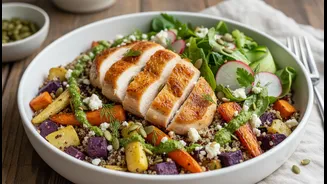
While it sounds similar, modular cooking is distinct from traditional meal prepping. Classic meal prep often involves cooking five identical portions of a single dish to be eaten for lunch all week. The biggest drawback is boredom; by Wednesday, you might be tired of eating the same thing. Modular cooking, or 'component prep', avoids this monotony. Because you’re prepping ingredients instead of entire meals, you can assemble them into a grain bowl one day, a salad the next, and a stir-fry the day after, all using the same core elements. It provides the efficiency of meal prep with the variety of daily cooking.
Getting Started with a Modular Kitchen
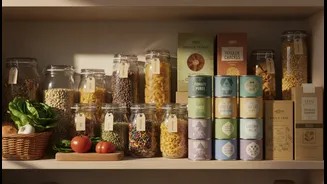
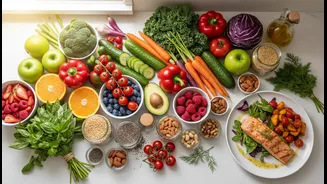
Starting is simpler than you think. Don't try to prep everything at once. Begin by choosing a few components from four key categories: a grain (like quinoa, millets, or rice), a protein (chickpeas, lentils, tofu, eggs, or chicken), some vegetables (roasted cauliflower and carrots, steamed green beans), and a 'flavour' element (a mint-coriander chutney, a peanut sauce, or a simple lemon-tahini dressing). Cook a batch of each, store them in separate containers, and see how many combinations you can create. The goal isn’t a perfect system overnight, but to slowly build a habit of having ready-to-use building blocks for quick, healthy, and interesting meals.