





Why Fibre is a Big Deal
Dietary fibre is a type of carbohydrate the body can't digest. While that might sound unhelpful, it's actually crucial for our health. Nutritionists recommend that Indian adults consume between 25 to 40 grams of fibre daily. However, studies show that many
urban Indians get only about half of that, leading to issues with digestion, blood sugar management, and weight control. A high-fibre diet aids in regular bowel movements, helps lower cholesterol, stabilises blood sugar levels, and keeps you feeling full longer, which can prevent overeating. It also feeds the good bacteria in your gut, supporting overall immunity and health.
The Thali: A Blueprint for Balance
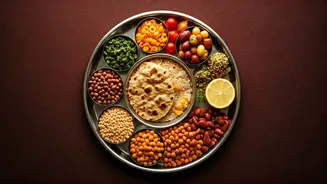
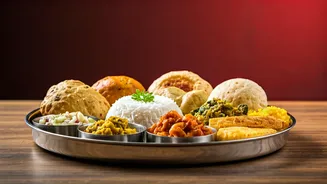
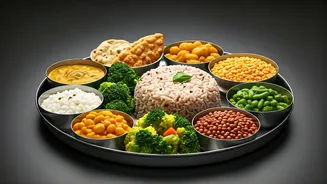
The traditional Indian thali isn’t just a meal; it's a nutritionally complete system perfected over centuries. It follows a simple, powerful formula: a main grain, a protein-rich lentil dish, seasonal vegetables, a dairy component, and a condiment. This structure naturally creates a plate that is balanced in proteins, carbohydrates, fats, vitamins, and, most importantly, fibre. Each component plays a specific role, and together, they form a synergistic meal that delivers a wide spectrum of nutrients without you having to count every gram.
Fibre Superstars in Your Katori
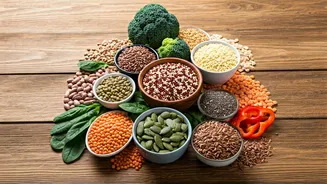
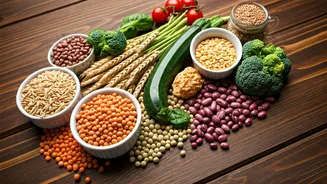
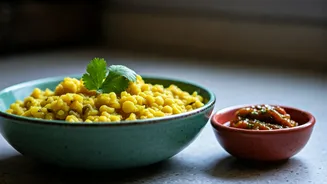
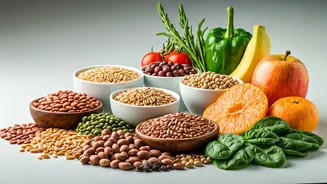
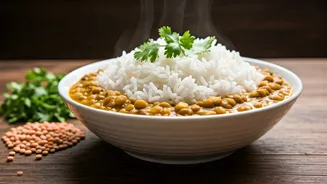
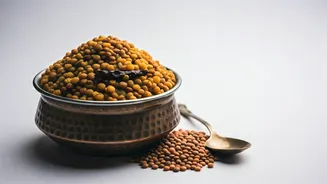
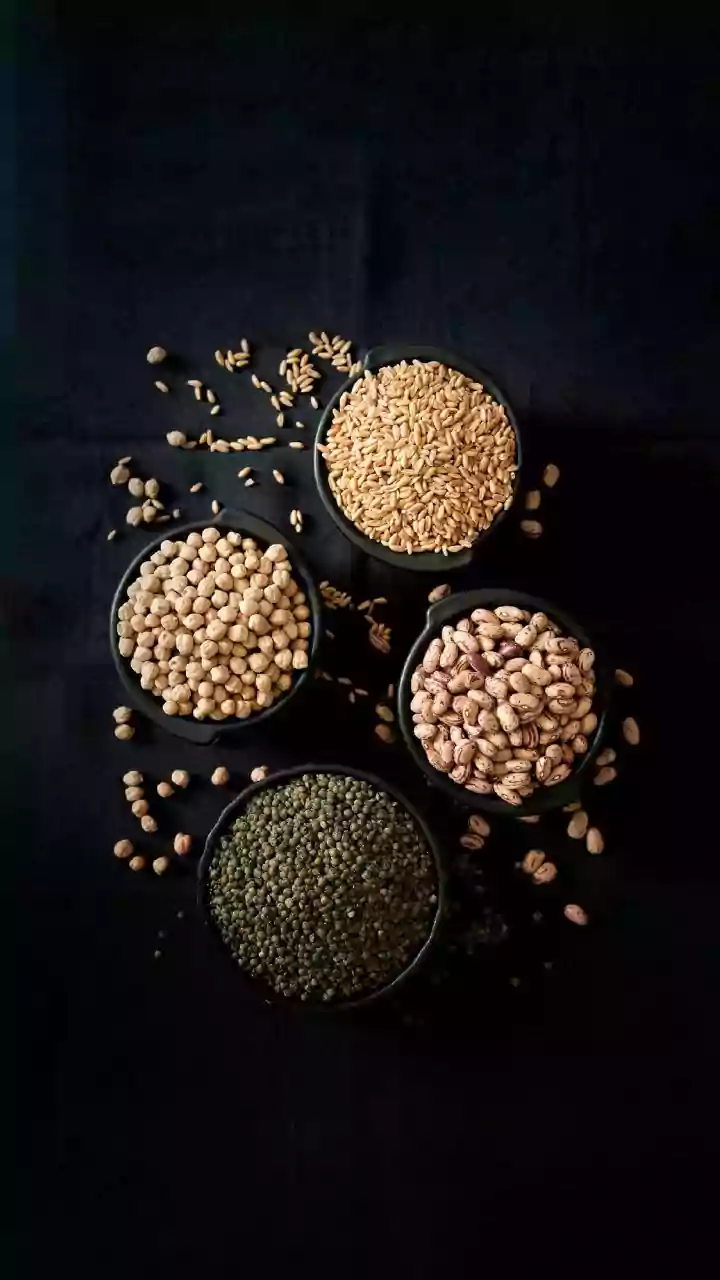
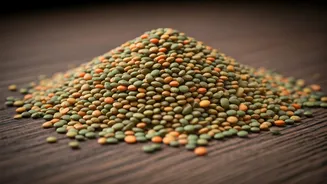
The secret to the thali's high-fibre potential lies in its core components. The stars of the show are the dals and legumes. A single cup of cooked dal can provide a massive 15 to 20 grams of fibre. Lentils like chana dal, rajma (kidney beans), and moong dal are particularly potent sources. Then there are the vegetables, or sabzis. Seasonal greens like spinach, and vegetables such as bhindi (okra), beans, and carrots add several more grams of fibre to your meal. Paired with a whole grain, these elements work together to push your fibre intake toward the recommended daily goal.
Choose Your Grains Wisely
The foundation of any thali is the grain, and your choice here makes a huge difference. A whole wheat roti or chapati is an excellent source of fibre, far superior to its restaurant counterpart, the naan. Naan is typically made with refined flour (maida), which has most of its fibre stripped away. A whole wheat roti, on the other hand, retains its bran and germ, offering more nutrients and about twice the fibre. Similarly, opting for unpolished brown rice or traditional millets like jowar, bajra, and ragi instead of white polished rice can significantly boost the fibre content of your meal.
Easy Swaps to Maximise Fibre
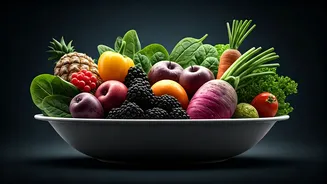
You don't need a complete diet overhaul to increase your fibre intake. Small, smart adjustments to your daily thali are all it takes. Start by ensuring a dal or legume is part of at least one main meal every day. When ordering or cooking, always choose whole wheat roti over naan or other maida-based breads. Try to fill half your plate with vegetables, and don't forget to add a simple salad of cucumber, tomato, and onion. Even snacking can be an opportunity—swapping fried snacks for a handful of roasted chana is a great fibre-boosting move.