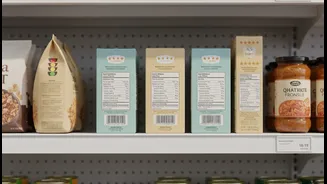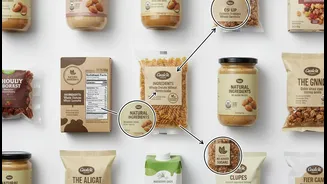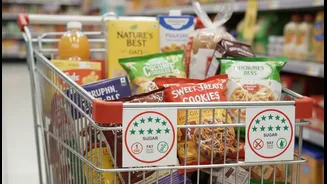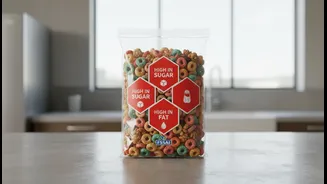








Ignore Front-of-Package Claims
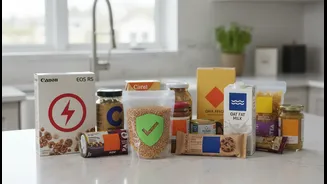
The front of the box is designed to sell, not to inform. Buzzwords like 'natural', 'multigrain', 'low-fat', or 'healthy' are often marketing ploys that create a 'health halo' effect, making a product seem healthier than it is. A 'multigrain' bread may
mostly contain refined flour, and 'low-fat' products often compensate for the lack of flavour by adding more sugar or sodium. The real story is on the back, in the nutritional information panel and the ingredients list. Your first step should always be to turn the package over and ignore the tempting claims on the front.
Read the Ingredients List First
The ingredients list is your most powerful tool. In India, the Food Safety and Standards Authority of India (FSSAI) mandates that ingredients be listed in descending order by weight. This means the first two or three ingredients make up the bulk of the meal. If you see sugar, refined grains (like maida), or hydrogenated oils at the top of the list, it’s a major red flag. A shorter, more recognisable ingredient list generally signals a less processed and more wholesome meal. If a service isn’t transparent with its full ingredient list for each meal, consider it a sign to look elsewhere.
Become a Macronutrient Detective
A truly healthy meal has a good balance of macronutrients: protein, carbohydrates, and fats. Don't just focus on calories. Look for meals that provide adequate protein to help with satiety and muscle repair. Ensure the carbohydrates come from complex sources like whole grains and vegetables, which provide sustained energy, rather than from refined sources. Finally, check the types of fats. Healthy unsaturated fats are good, but high levels of saturated and trans fats are a concern for heart health. Many meal services now offer plans tailored to specific dietary preferences like high-protein or low-carb, which can help guide your choice.
Uncover Hidden Sugars and Sodium
Sugar and sodium are the biggest culprits hidden in prepared foods, even those marketed as healthy. Sauces, dressings, and marinades are often packed with both. Sugar has over 60 different names on labels, including corn syrup, dextrose, maltose, and fruit juice concentrate. FSSAI regulations now require 'added sugars' to be listed separately, which helps in identifying them. For sodium, anything over 400mg per 100g is considered high. Be wary of terms like 'sodium bicarbonate' or 'monosodium glutamate (MSG)', which also contribute to the total sodium content. Choosing a service that actively promotes low-sodium and no-added-sugar meals is a significant step towards a healthier diet.
Demand Full Nutritional Transparency
Reputable meal subscription services should provide clear and complete nutritional information for every meal they offer. This data, which is mandated by FSSAI for pre-packaged foods, should include energy (calories), protein, carbohydrates, total and added sugars, total fat, saturated fat, trans fat, and sodium per 100g and per serving. Pay attention to the serving size, as a small listed serving can make the numbers look deceptively healthy. If a company makes it difficult to find this information or only provides vague descriptions, they are not committed to consumer transparency. Also, check if the service has an FSSAI license number, which is a basic requirement for any food business in India.