

So, What is Shokupan?
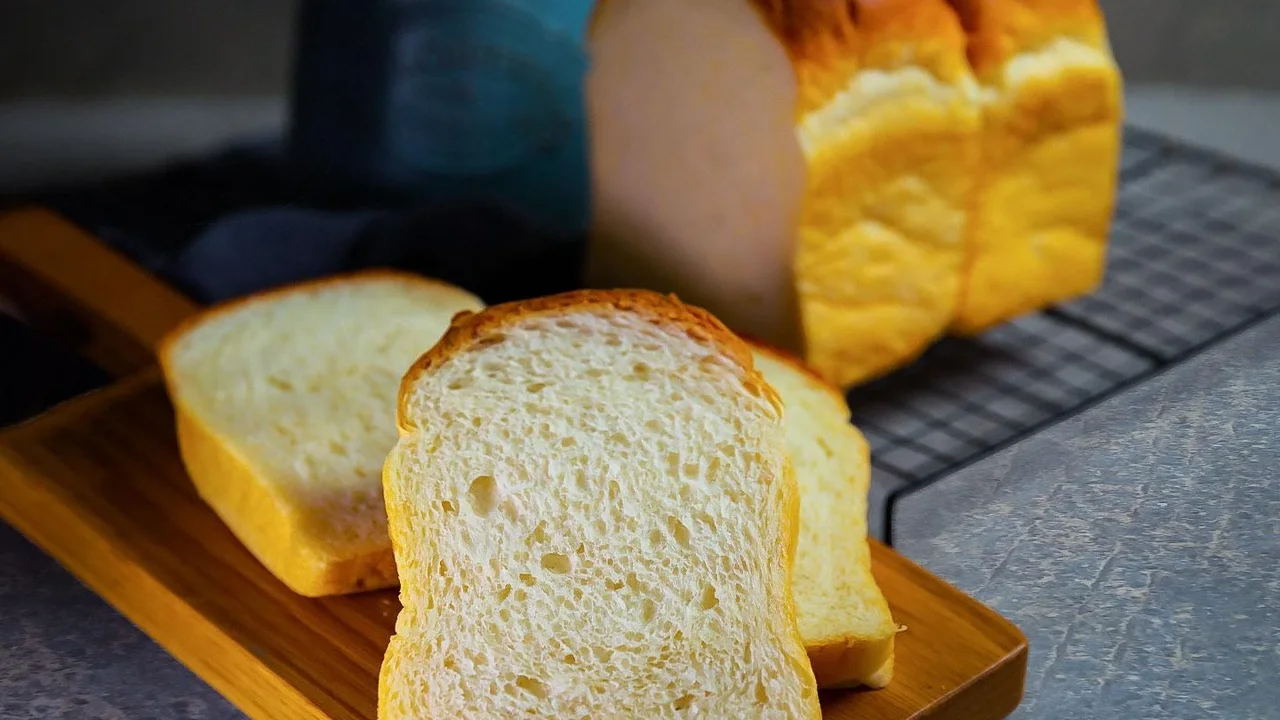
At its simplest, shokupan is Japanese white bread. The name itself translates to “food bread” or “eating bread” (“shoku” means food, “pan” comes from the Portuguese for bread), hinting at its role as a delicious, everyday staple in Japan. Unlike the crusty,
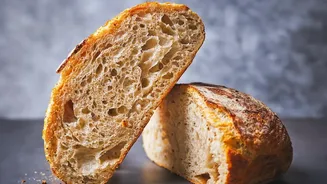
airy loaves you might be used to, shokupan is prized for its pillowy, moist, and slightly chewy crumb with a tender crust. It has a distinctive, subtly sweet, and milky flavour, making it delightful enough to eat on its own. While bread isn't a traditional part of Japanese cuisine, shokupan became popular in the post-World War II era and has since evolved into an artisanal product and a cornerstone of the country's café culture. Today, it’s a common breakfast item, often served as thick toast, and the star ingredient in Japan's famous sandwiches, or 'sandos'.
The Secret to Its Cloud-Like Texture
The magic behind shokupan’s incredible softness lies in a special baking technique known as the tangzhong or yudane method. This process involves cooking a small portion of the recipe's flour and liquid (water or milk) into a thick paste or roux before adding it to the rest of the dough. This pre-gelatinises the starches in the flour, allowing the dough to hold significantly more moisture. The result is a bread that is exceptionally soft and fluffy, with a slightly springy, bouncy texture that sets it apart. This high moisture content also gives the bread a longer shelf life, staying fresh and tender for days longer than a standard loaf.
A Cultural Icon in a Loaf
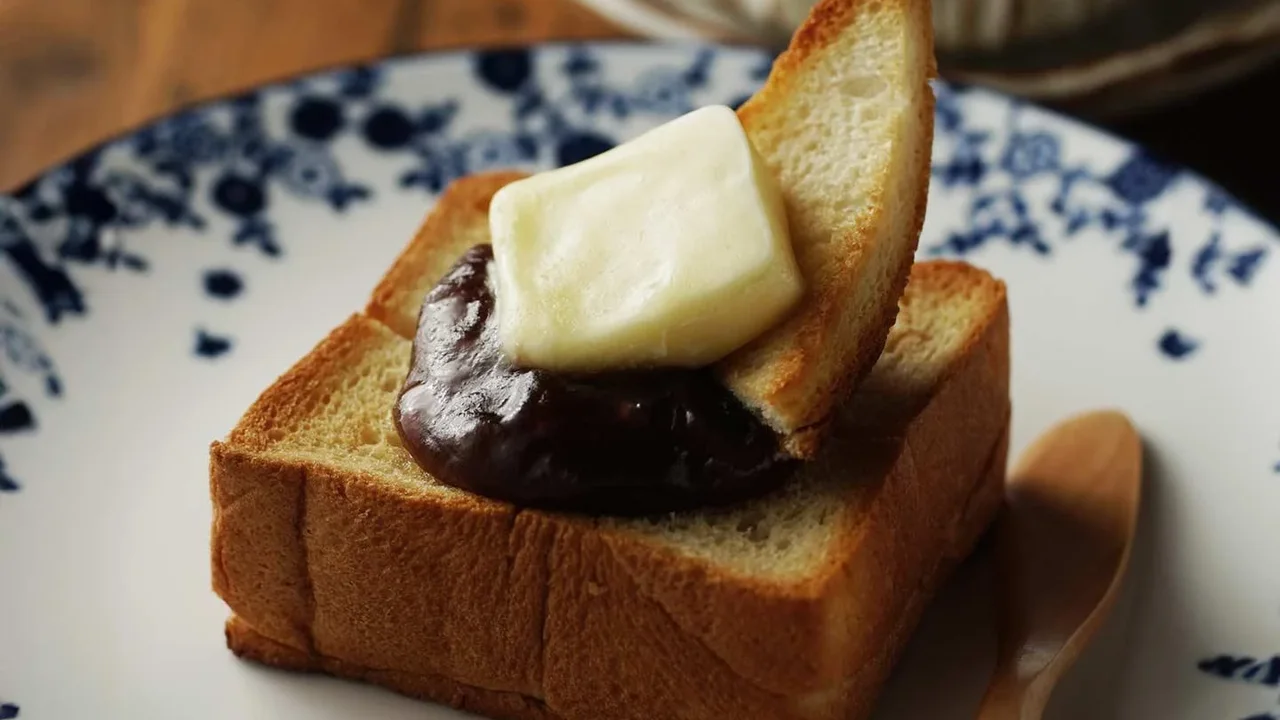
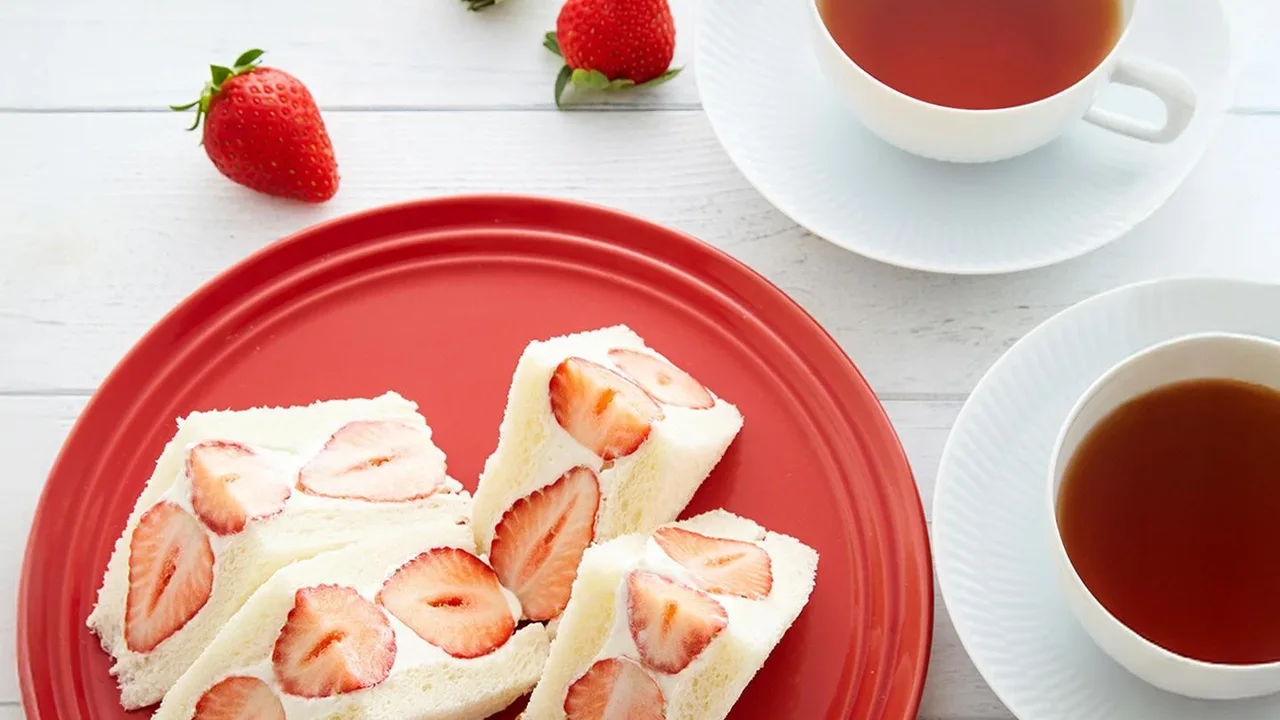
In Japan, shokupan is more than just bread; it's a cultural fixture. It's often baked in a special rectangular lidded pan called a Pullman loaf pan, which produces its iconic, perfectly square shape with a minimal crust, ideal for sandwiches. It forms the foundation of kissaten (old-school coffee shop) culture, where extra-thick slices are toasted and served simply with butter and jam. It’s also the key to the highly Instagrammable fruit sando—sandwiches filled with whipped cream and fresh fruit—and the savoury katsu sando, featuring a breaded pork cutlet. Its versatility is its strength; it’s a perfect blank canvas for both sweet and savoury toppings.
The Craze Arrives in India
The global appreciation for artisanal foods and Japanese culture has fuelled a shokupan boom worldwide, and India is no exception. What was once a niche item is now appearing on menus and in bakeries across the country. In cities like Bangalore and Delhi, dedicated micro-bakeries and sandwich shops are making shokupan the star. Delhi's Shokupan - The Sandwich Shop, for instance, bakes its bread in-house daily with the goal of making sandos the next big food trend, following the popularity of sushi and ramen. This rising popularity shows a growing appetite among Indian diners for new textures and authentic global culinary experiences, moving beyond the standard pav or sliced white bread.
How to Best Enjoy Shokupan
The beauty of shokupan is its versatility. The most classic way to enjoy it is as a thick-cut slice of toast, about four to five centimetres thick, toasted until the outside is golden and crisp while the inside remains fluffy and soft. Simply add a generous slab of butter and let it melt. For something more substantial, its square shape and soft texture make it perfect for all kinds of sandwiches, from a simple egg and mayo filling to more elaborate creations. It also makes for exceptionally rich and custardy French toast, as its dense crumb soaks up the egg mixture beautifully without becoming soggy. Or, for the purest experience, simply tear a piece off and enjoy its milky, sweet flavour on its own.