

Catastrophe on the Roof of the World
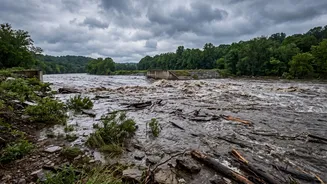
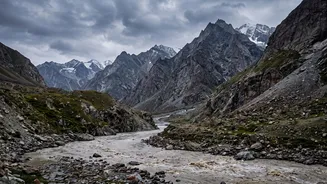
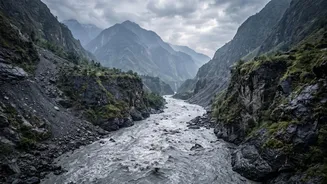
On the morning of August 26, 2026, a sudden, devastating flash flood tore through the Rasuwa, Nuwakot, and Dhading districts of central Nepal. Scientists believe the disaster began when a massive chunk of a glacier collapsed, sending a torrent of ice,
rock, and debris down the Lhende Khola and Trishuli river systems. The surge of water, which rose by nine meters in just 30 minutes in some areas, was so powerful it registered as a magnitude 5.2 seismic event. It wiped out entire villages, critical infrastructure including hydropower projects, and the vital road connecting Nepal to Tibet. Tragically, hundreds were killed and thousands remain missing, in what one UN official called a mountain hazard event unlike any seen in living memory.
The Unstable Earth
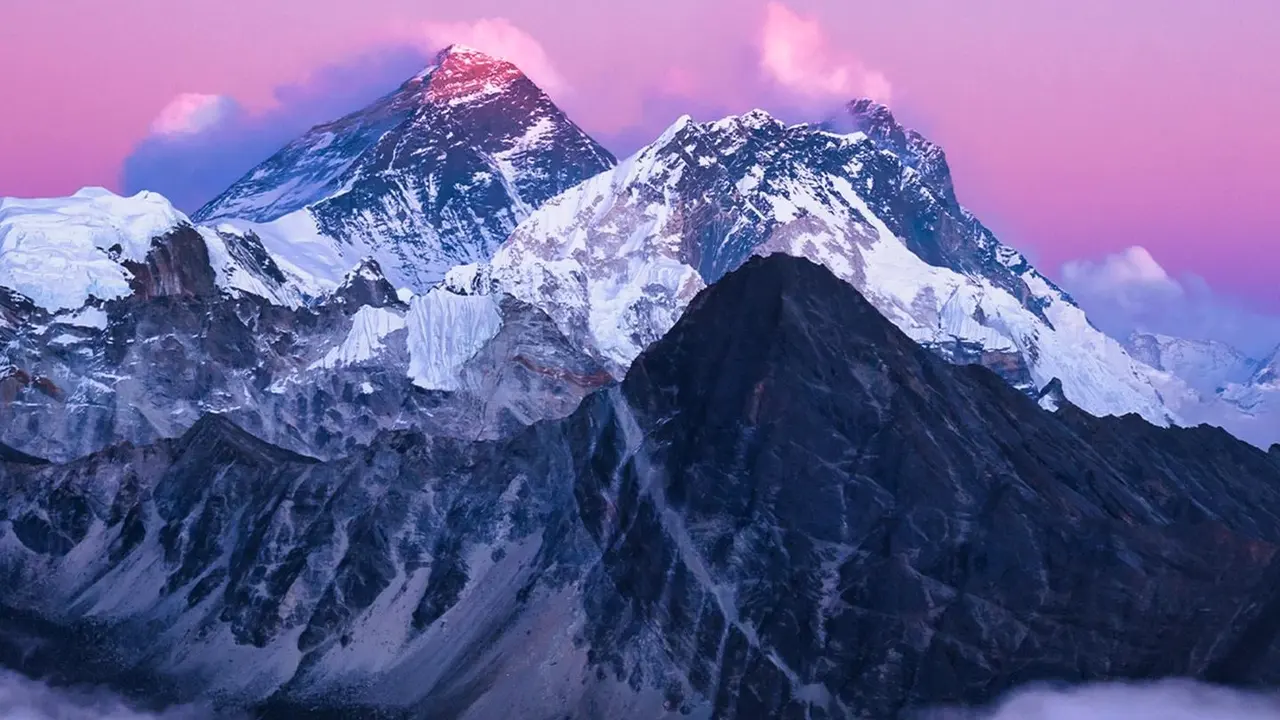
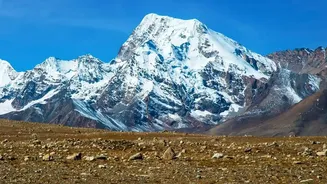
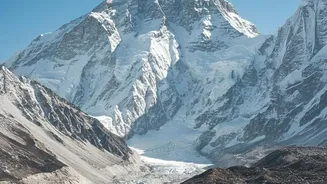
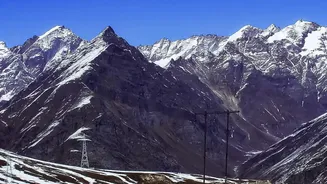
The Himalayas are, geologically speaking, infants. As the youngest and highest mountain range on Earth, formed by the ongoing collision of the Indian and Eurasian tectonic plates, their slopes are inherently unstable. This constant seismic activity makes earthquakes a persistent threat. But the mountains' youth also means their rock formations are often fractured and weak, making them highly susceptible to landslides. The steep, high-relief terrain means that when rainfall is intense or slopes are disturbed, the results can be catastrophic, leading to rapid runoff and debris flows that gather destructive momentum as they race into the valleys below. The recent Nepal disaster wasn't just a flood; it was a debris flow, a fast-moving slurry of water, mud, and boulders that is far more destructive than water alone.
A Climate in Crisis
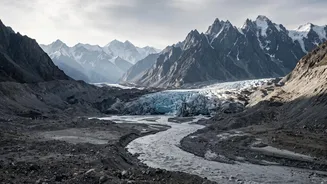
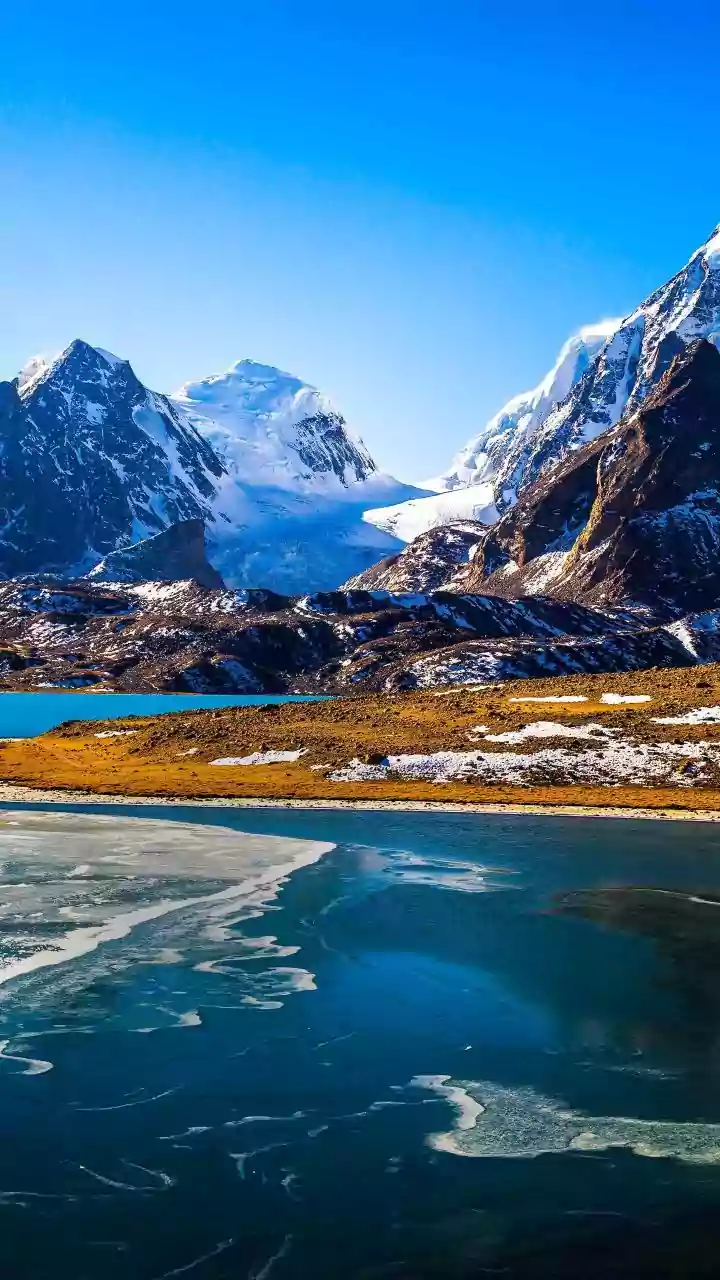
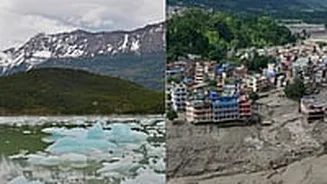
Layered on top of this geological fragility is a rapidly accelerating climate crisis. The Hindu Kush Himalaya region is warming significantly faster than the global average. This has profound consequences for the world's "Third Pole," which contains the largest volume of ice outside the polar regions. Glaciers are melting at an alarming rate, with ice loss doubling since 2000. This meltwater is creating and expanding vast glacial lakes, often held back only by unstable dams of rock and moraine. A Glacial Lake Outburst Flood (GLOF) can release a tsunami of water with no warning, a constant threat hanging over downstream communities. Furthermore, warming temperatures and changing monsoon patterns lead to more erratic and extreme rainfall, saturating slopes and triggering more frequent and severe landslides.
The Human Fingerprint
Natural forces are not acting alone. Decades of unchecked and often unplanned human development have critically weakened the mountains' resilience. A massive spree of road construction, often undertaken with heavy machinery and without proper environmental or geological assessments, has destabilised countless slopes. These 'dozer roads' carve into the mountainside, creating scars that become conduits for water and triggers for landslides. Similarly, the rush to build hydropower projects, while crucial for energy, has put infrastructure and workers in the direct path of riverine hazards. Deforestation for agriculture and urban expansion further strips the landscape of its natural ability to absorb heavy rain, adding to the runoff that fuels deadly floods.
A Shared and Urgent Challenge
The disaster in Nepal is a stark warning that what happens in the high Himalayas does not stay there. The mountain range is the source of Asia's great rivers, including the Ganges and Brahmaputra, which support nearly two billion people downstream in countries like India and Bangladesh. The sediment and floodwaters from a Nepali disaster can have devastating impacts hundreds of kilometres away. As glaciers shrink, the long-term water security for this vast population is threatened. The immense loss of life and property reveals a systemic vulnerability that transcends borders, exposing the urgent need for regional cooperation on early warning systems, sustainable infrastructure planning, and climate adaptation strategies. The mountains are sending a clear and terrifying message, and ignoring it is no longer an option.