






Detangle and Direct the Growth
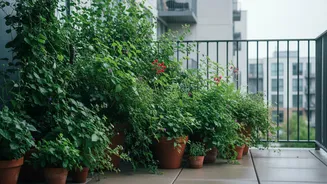
Your creepers and vines have likely enjoyed the rain, leading to a jungle-like tangle of stems and leaves. While this looks lush, it's a problem in the making. Overcrowded growth restricts air circulation, creating a humid, stagnant environment perfect
for fungal diseases. Gently separate crossing stems, guiding them along their intended trellises or supports. Don't be afraid to snip away weak or wayward shoots that are growing in the wrong direction. This simple act opens up the plant, allowing air and light to penetrate deeper, which is vital for preventing rot and mildew.
The Pruning Imperative
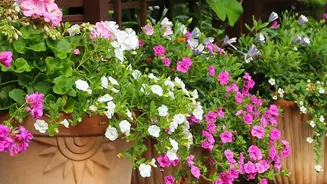
Monsoon is a period of rapid growth, making it an excellent time for pruning. Regularly trimming your plants helps maintain a manageable shape and encourages healthier, bushier growth. Focus on removing any yellowing or dead leaves, broken branches, and spent flowers. For densely packed plants, thin out some of the inner branches to improve airflow. This is one of the most effective ways to prevent common monsoon fungal infections like powdery mildew and leaf spot. Use clean, sharp shears to make precise cuts, and try to prune during a brief dry spell to allow the wounds to heal quickly.
Drainage, Drainage, Drainage
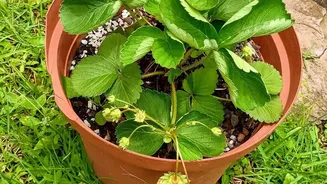
The single biggest threat to potted plants during the monsoon is waterlogging. Constant rain can saturate the soil, suffocating roots and leading to fatal root rot. Your mid-monsoon check must involve a thorough inspection of your pots. Ensure drainage holes are not blocked by soil or debris. If a pot feels unusually heavy or the soil is visibly soggy, gently tilt it to let excess water escape. It's also crucial to empty the saucers or trays beneath your pots; standing water is an open invitation for root rot and a breeding ground for mosquitoes.
Pest and Disease Patrol
High humidity makes the rainy season a boom time for pests and diseases. Be vigilant. Inspect the undersides of leaves for common culprits like aphids, mealybugs, and whiteflies. Snails and slugs also become more active. Fungal issues are particularly common, manifesting as powdery mildew, dark leaf spots, or rot. For many fungal problems, a preventative spray of neem oil solution or cinnamon-infused water can be effective. If you spot pests, act quickly to remove them manually or with an appropriate organic pesticide before an infestation takes hold.
A Light Touch with Fertilizer
While plants are growing actively, heavy rains can wash nutrients straight out of the pot's soil. This might tempt you to fertilize heavily, but it’s best to be cautious. Chemical fertilizers can be easily leached away or, worse, burn the roots in waterlogged soil. Instead, opt for slow-release organic options like vermicompost or well-rotted cow dung manure. A light top-dressing of compost every few weeks provides a steady, gentle supply of nutrients without overwhelming the plants. Liquid organic fertilizers can also be used for a quick boost after a dry spell.
Check Your Supports
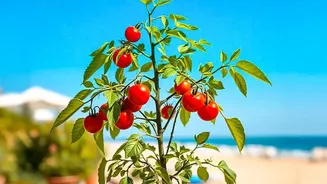
The combined weight of rapid new growth and rainwater can put immense strain on trellises, stakes, and moss poles. Inspect all support structures to ensure they are stable and secure. Reinforce any that seem wobbly or are bending under the weight. For climbing plants, gently tie in new growth to the support structure to distribute the weight evenly and prevent stems from snapping in strong winds or heavy downpours. This proactive step protects your plants from physical damage and helps them continue their upward growth securely.