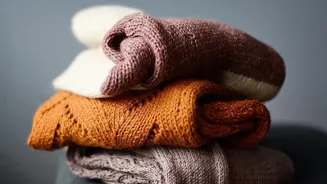




As winter approaches, the appeal of a soft, warm woollen sweater is undeniable. But the fear of shrinking or ruining these cherished items can be just as strong. Proper care is the secret to keeping your woollens looking and feeling great for years.
The Gentle Art of Washing
The
single biggest mistake in wool care happens in the wash. Heat and agitation are the enemies of wool fibres, causing their microscopic scales to lock together, which results in irreversible shrinking and felting. For this reason, always check the care label first. Many modern wool garments are machine-washable, but require a specific 'wool' or 'delicate' cycle with cold water (ideally below 30°C) and a low spin speed. Hand-washing offers more control and is often the safest bet for delicate or unlabelled items. Use lukewarm water and a small amount of a pH-neutral, enzyme-free detergent specifically designed for wool. Regular detergents can be too harsh and strip the natural oils from the fibres. Submerge the garment, let it soak for about 10 minutes, and gently swirl it in the water. Avoid vigorous rubbing or twisting. When finished, rinse thoroughly in water of a similar temperature to avoid shocking the fibres.
Drying Without Distortion
Never, ever put a wool garment in a hot tumble dryer unless the care tag explicitly says it's safe. The combination of heat and tumbling is the fastest way to shrink your favourite sweater. Similarly, avoid hanging wet woollens. The weight of the water will stretch the fibres, causing the garment to lose its shape, especially at the shoulders and hem. The correct method is to dry them flat. First, gently squeeze out excess water without wringing the fabric. Lay the garment on a clean, dry towel, then roll the towel and sweater together like a swiss roll, pressing firmly to absorb more moisture. Unroll it and place the damp garment on a fresh, dry towel or a mesh drying rack on a flat surface, away from direct sunlight or heat sources like radiators. Reshape the garment to its original dimensions while it's still damp, and allow it to air dry completely, flipping it over once the top side feels dry to ensure even drying.
Smarter Storage Solutions
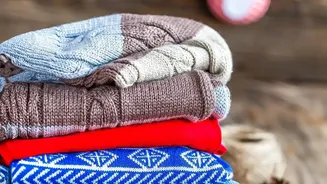
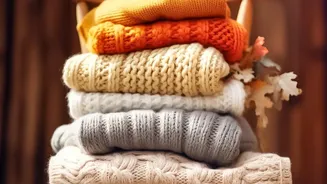
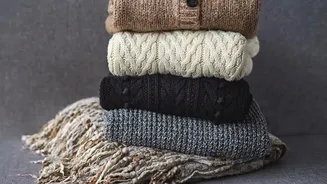
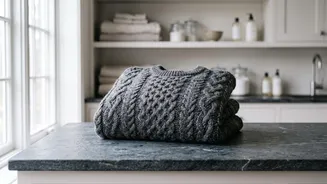
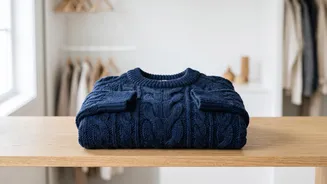
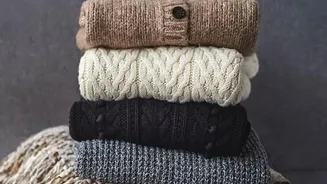
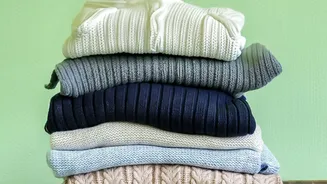
How you store your woollens is just as important as how you wash them. For everyday storage during winter, folding is better than hanging. Hanging can cause knitwear to stretch out of shape over time due to its own weight. Fold sweaters and place them in a drawer or on a shelf, taking care not to stack them too high to avoid crushing the bottom items. When it's time to put your winter wools away for the season, the biggest threat is moths. Moths are attracted to residual body oils and food stains, so always ensure garments are clean before storing them. For long-term protection, place clean, completely dry items in breathable cotton bags or airtight containers. Adding natural deterrents like cedar blocks or lavender sachets can also help keep pests away.
Managing Pills and Daily Wear
Even with perfect care, wool garments can develop pills—those small, fuzzy balls of fibre that appear in areas of high friction. Pilling is a natural characteristic of wool and not necessarily a sign of poor quality. You can reduce it by turning garments inside out before washing and avoiding excessive friction from bags or outerwear. To remove pills, never pull them off with your fingers, as this can damage the surrounding fibres. Instead, use a specialised fabric shaver or a sweater comb. Gently glide the device over the surface of the fabric to shear off the pills and restore a smooth finish. It's also a good practice to 'rest' your woollens by not wearing the same item for two days in a row; this allows the natural fibres time to relax and recover their shape.