



Why A Labeling System Matters
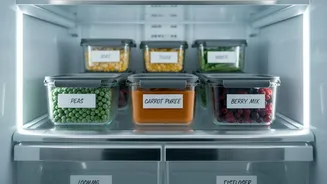
A well-organized freezer is more than just aesthetically pleasing; it's a powerful tool for managing your household budget and reducing food waste. When every container and bag is clearly marked, you know exactly what you have at a glance. This prevents
you from buying duplicates and, more importantly, ensures you use what you have before it spoils. Proper labeling is also a matter of food safety. Knowing how long an item has been frozen helps you consume it while it's still at its best quality and safe to eat. Ultimately, a few seconds spent labeling a meal before you freeze it can save you significant time, money, and frustration later on.
The Two Golden Rules of Labeling
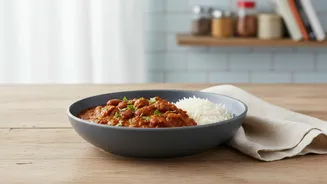
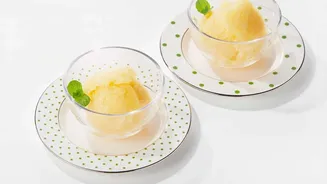
If you remember nothing else, master this: every label needs the name of the dish and the date it was frozen. The dish name seems obvious, but be specific. Is it 'Chicken Curry' or 'Spicy Chicken Curry'? Is it 'Tomato Sauce' or 'Tomato Sauce with Basil'? This clarity prevents disappointment, like discovering what you thought was gelato is actually frozen beef gravy. The date is equally crucial. It tells you which item to use first, following the 'First In, First Out' (FIFO) principle used in professional kitchens. This simple rotation ensures older items are eaten before they pass their peak, minimizing waste and guaranteeing a better-tasting meal.
What to Write: The Label Essentials
While name and date are the foundation, a truly effective label can offer more helpful information. Consider adding these details to make your future self's life even easier: Portion Size: Note whether the container holds a single serving or enough for the whole family. Use-By Date: In addition to the freeze date, you can add a recommended 'use-by' date. For example, most soups and stews are best within 3-4 months, while fatty fish has a shorter freezer life. Reheating Instructions: A quick note like, 'Thaw first, then microwave' or 'Reheat on stovetop from frozen' can be a lifesaver on a busy weeknight. Key Ingredients: If a household member has allergies or dietary preferences, noting 'contains nuts' or 'dairy-free' is a vital safety measure.
Choosing the Right Tools for the Job
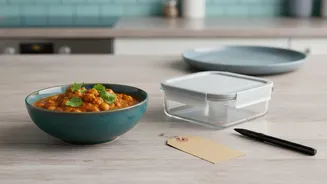
Your system is only as good as the tools you use. Regular pens and sticky notes won't survive the cold, moist environment of a freezer. Invest in materials designed for the task. For markers, a permanent marker like a Sharpie is a reliable choice for writing on freezer bags and containers. There are also specialized freezer markers with ink formulated to withstand low temperatures without smudging. For labels, you have several options. Simple freezer tape (like painter's tape) is a cost-effective solution. You can also buy dedicated freezer labels, which come in various forms, including easy-to-remove types that don't leave a sticky residue or even dissolvable labels that wash away cleanly under warm water. The key is to find a tool that sticks securely to plastic, glass, or foil, even at 0°F (-18°C).
Putting Your System into Action
Ready to reclaim your freezer? Start by doing a full audit. Take everything out, discard anything that is unidentifiable or clearly past its prime (look for signs of severe freezer burn), and group the remaining items. As you put things back, label them as best you can. From this day forward, make it a non-negotiable rule to label everything before it enters the freezer. Keep your labels and markers in a convenient spot right next to the freezer to make it effortless. It might feel like an extra step at first, but once it becomes a habit, you'll wonder how you ever managed without it. An organized freezer simplifies meal planning, inspires you to cook in batches, and puts an end to the frustrating guesswork of what to make for dinner.