

The Vision for a River-Led Economy
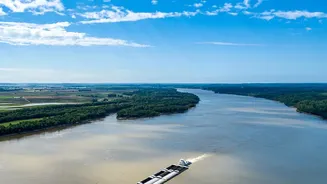
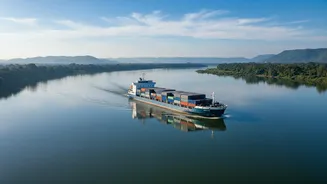
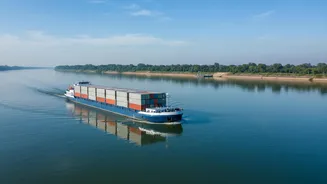
Under the National Waterways Act of 2016, India designated 111 rivers and canals as National Waterways, a massive expansion from the original five. The goal is to create a vibrant, alternative transport network for bulk goods like coal, cement, and food
grains. The appeal is clear: moving goods by water is significantly cheaper and more fuel-efficient than by road or rail. Estimates show one litre of fuel can move 105 tonne-kilometres by waterway, compared to just 24 by road. This shift aims to reduce India's high logistics costs, which are a drag on the economy, and ease congestion on choked highways.
The Challenge of Unpredictable Rivers
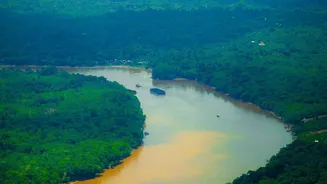
Unlike roads or railway tracks, rivers are dynamic and often unpredictable. A major hurdle for India's waterways is the seasonal variation in water levels and inadequate depth, which makes year-round navigation difficult for large vessels. Many rivers, particularly in the northern plains, are prone to heavy siltation, which changes the riverbed and requires constant, expensive dredging to maintain a navigable channel. Furthermore, natural phenomena like dense fog can halt traffic, and a lack of 24/7 navigation infrastructure, like night lighting and advanced GPS systems on all stretches, adds another layer of complexity and potential for delay.
Why 'On Time' is Everything in Logistics
In the world of supply chain management, predictability is king. Modern commerce runs on 'just-in-time' principles, where components arrive shortly before they are needed and finished goods are shipped to meet precise delivery windows. Logistics scheduling is the intricate process of planning every movement to ensure goods arrive exactly when promised. Any delay has a domino effect, causing disruptions across the entire supply chain, from production lines to retail shelves. Unreliable delivery times lead to higher inventory costs for businesses, as they are forced to hold more stock as a buffer, and ultimately erodes customer trust.
The High Cost of Being Late
If businesses cannot depend on a vessel arriving on a specific day, they will not shift their cargo from the more predictable, albeit more expensive, road and rail networks. This is the central challenge facing the waterway expansion. Despite the lower direct transport cost, the financial penalty of a stalled production line or a missed delivery deadline is far greater. The slow pace of development and poor first- and last-mile connectivity from river terminals to industrial hubs further discourages private sector participation. As a result, the modal share of inland waterways in India's total freight movement remains low, at around 2%, far behind countries like China and the Netherlands.
Building a Punctual Waterway Network
The government and the Inland Waterways Authority of India (IWAI) are aware that infrastructure is only half the battle. Efforts are underway to address the core issues affecting reliability. These include sustained dredging to maintain fairway depth, the installation of modern navigation aids for day and night transit, and building multi-modal terminals that seamlessly connect waterways with road and rail networks. Incentivizing private investment in both vessel operations and terminal construction is also a key strategy to build a robust and competitive ecosystem. Ultimately, making water transport as dependable as a train schedule is the key to unlocking its immense economic potential.