





The High Cost of Cheap Clothes
The allure of fast fashion—trendy, accessible, and affordable—is undeniable. Yet, a growing number of Indian shoppers are beginning to question its true cost. The constant pressure to buy more, coupled with the poor quality of many mass-produced garments,
has led to a sense of fatigue. This is amplified by a rising awareness of the industry's environmental impact, from immense water consumption to the crisis of textile waste. Reports highlight that fast fashion is a major polluter, contributing to everything from water contamination with microplastics to significant carbon emissions. This environmental toll, once an abstract concern, is now a tangible issue for consumers who are witnessing overflowing landfills and learning about the toxic runoff from dyeing units. As a result, the 'buy-and-throw' model is losing its shine, paving the way for a more conscious approach to building a wardrobe.
A Return to Artisanal Roots
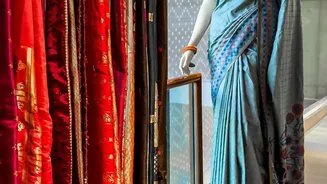
In a way, this shift is a return home. India has a rich, centuries-old history of handcrafted textiles and slow, meticulous production. The country's handloom sector, the largest cottage industry, is experiencing a renaissance as consumers rediscover the beauty of fabrics like Khadi, Banarasi silk, and Ikat. These textiles are not just materials; they are narratives of cultural heritage, woven by skilled artisans over generations. A growing number of homegrown designers and brands are championing this revival, merging traditional techniques with modern aesthetics. By choosing a handloom saree or a block-printed kurta, consumers are not just making a style statement; they are supporting sustainable livelihoods for artisan communities and helping preserve invaluable cultural skills that were being threatened by mechanized production.
The Rise of the Conscious Shopper
This evolving mindset is most visible among younger generations, particularly Millennials and Gen Z. Armed with information from social media and a desire for authenticity, they are driving the demand for transparency and ethical practices. This has fueled the explosion of thrift shopping, clothing rental platforms, and peer-to-peer selling. Once seen merely as a budget option, thrifting is now a cultural movement in India, celebrated for its uniqueness and eco-friendly credentials. Instagram thrift stores and physical pop-up markets in cities like Delhi, Mumbai, and Bengaluru are becoming go-to destinations for finding one-of-a-kind pieces. This pre-loved market, valued in the billions of dollars and growing, allows consumers to enjoy fashion in a circular way, extending the life of garments and reducing waste.
From Niche to Mainstream
What started as a niche interest is steadily becoming a mainstream expectation. The sustainable fashion market in India is projected to grow significantly, with some estimates suggesting a compound annual growth rate of over 10-12% and a potential market size of billions of dollars. This is not just about individual consumer choices; it represents a systemic shift. Brands are responding by launching eco-conscious lines, investing in sustainable materials like organic cotton, and being more transparent about their supply chains. Influencers and celebrities are also playing a crucial role, using their platforms to advocate for mindful consumption and sustainable brands. This movement challenges the old definition of value, suggesting that the best fashion is not what is newest, but what is made with care, built to last, and carries a story.