








Tame Unruly Hair Frizz
The number one beauty complaint during the Indian monsoon is frizzy hair. High humidity causes the hair's outer layer, or cuticle, to lift and absorb moisture from the air, causing it to swell and frizz. To combat this, switch to a sulphate-free, anti-frizz
shampoo and conditioner. Over-washing can strip natural oils, so try to limit washes to two or three times a week. After washing, gently squeeze excess water with a microfibre towel or an old cotton t-shirt instead of a rough towel to reduce friction. A leave-in conditioner or a silicone-based serum is non-negotiable; apply it to damp hair to create a barrier against humidity. For a traditional approach, a pre-wash oil massage with coconut or almond oil can nourish the scalp and strengthen roots, as hair fall also increases this season.
Master a Melt-Proof Makeup Look
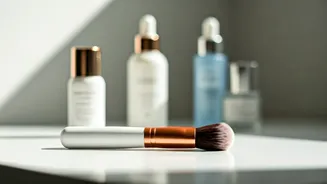
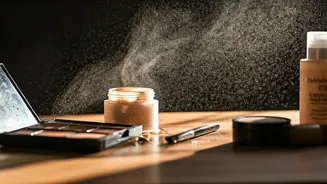
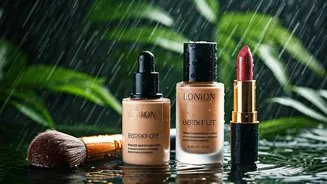
Humidity and rain are the enemies of a perfectly applied face. The key is to go light and choose waterproof products. Start with a lightweight, water-based or silicone-based primer to create a smooth, moisture-resistant base. Swap heavy foundation for a BB cream or tinted moisturiser. When it comes to eyes, waterproof mascara and eyeliner are essential to avoid smudged, raccoon eyes. For blush and eyeshadow, cream-based formulas often hold up better in humidity than powders, as they blend into the skin and are less likely to get patchy. Finally, lock everything in place with a setting spray designed to resist humidity. Keep blotting papers handy to absorb excess oil during the day without disturbing your makeup.
Adapt Your Skincare for Humidity
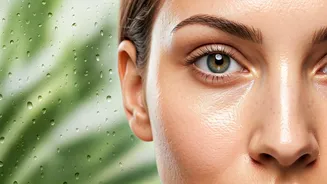
Increased humidity often leads to hyperactive oil glands, clogged pores, and breakouts. Your skincare routine needs to adapt. Switch to a gentle, foaming cleanser, perhaps one with salicylic acid, to manage excess oil without stripping the skin. Even if your skin feels oily, don't skip moisturiser. Doing so can make your skin produce even more oil to compensate. Opt for a lightweight, gel-based, non-comedogenic moisturiser that hydrates without feeling heavy. Weekly exfoliation with a gentle chemical exfoliant or a clay mask can help detoxify pores and remove dead skin cells. And even on cloudy days, UV rays penetrate, so a broad-spectrum, non-greasy sunscreen is a must.
Prevent Fungal Infections
The warm, moist environment of the monsoon is a perfect breeding ground for fungi, leading to issues like ringworm and athlete's foot. Prevention is key. Always dry your body thoroughly after bathing, paying special attention to skin folds like underarms, the groin area, and between the toes. Wearing loose-fitting, breathable cotton clothes helps air circulate and prevents moisture from being trapped against the skin. It's also wise to use an antifungal powder in areas prone to sweat. If you get caught in the rain, change out of damp clothes and shoes as soon as possible. Sharing personal items like towels, footwear, or clothes can spread infections, so it's best to avoid it.
Don't Forget Your Feet
Feet are often the most neglected part of a beauty routine, but they bear the brunt of the monsoon, constantly exposed to puddles and damp conditions. Wash your feet with soap and water every time you come indoors, and dry them completely, especially between the toes. Choose open footwear like sandals or flip-flops to allow your feet to breathe and dry out. If you wear closed shoes, ensure they are fully dry before wearing them again and use an antifungal powder to absorb moisture. Trim your toenails straight across to prevent dirt accumulation and ingrown nails. A weekly scrub with a pumice stone can remove dead skin, but avoid applying moisturiser between the toes, as the trapped moisture can encourage fungal growth.