

Rajasthan's Forgotten Gallery
Tucked away in northeastern Rajasthan, the Shekhawati region is a world away from the state's bustling tourist circuits. Comprising towns like Mandawa, Nawalgarh, and Fatehpur, this area was once a vital artery on the caravan routes connecting Gujarat's
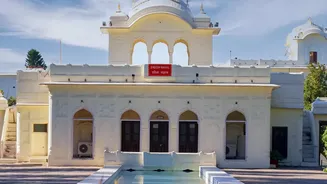
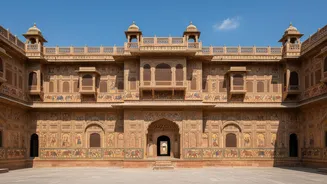
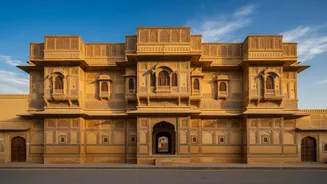
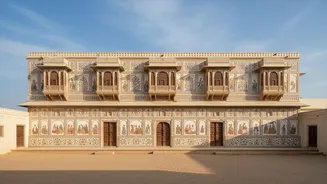
ports with the north. Between the 18th and early 20th centuries, wealthy Marwari merchants, many of whom had moved to burgeoning trade hubs like Calcutta and Bombay, poured their fortunes back into their ancestral towns. They built grand mansions, or havelis, not just as homes but as symbols of their prosperity and status. To decorate these multi-courtyard structures, they commissioned local artists, known as 'chiteras', to cover every available surface with intricate paintings, creating what is now considered the world's largest concentration of frescoes.
A Story on Every Wall
The Shekhawati frescoes are a vivid chronicle of their time. The art style evolved from traditional Rajput and Mughal influences, which themselves were inspired by Persian art. Early paintings often depicted religious themes, with scenes from the Ramayana and the life of Krishna being particularly popular. However, as the merchants' worldview expanded, so did the subject matter. The artists began incorporating scenes from daily life, folk mythology, and, most fascinatingly, the modern world as they understood it. You’ll find paintings of the first motorcars, steam locomotives, and gramophones alongside British soldiers and European ladies in Victorian dress. This fusion of traditional mythology and contemporary technology makes wandering through the havelis a captivating treasure hunt through history.
Living Inside the Artwork
For decades, as families moved away permanently, many of these architectural gems fell into disrepair, their brilliant colours fading under dust and neglect. But a new chapter is being written. A growing number of families and conservationists are breathing life back into these structures by converting them into heritage homestays and boutique hotels. Staying in a haveli is an experience far removed from a standard hotel. It’s an intimate immersion into history. Guests can sleep in rooms adorned with original frescoes, dine in courtyards that once hosted merchant gatherings, and listen to stories from the families who have owned these homes for generations. This model of tourism provides a sustainable income that directly funds the painstaking and costly restoration of the buildings, ensuring the art survives for future generations to admire.
The Allure of the Quiet Season
While the peak tourist season in Rajasthan runs from October to March, offering pleasant weather for sightseeing, a visit during the so-called off-season—the hotter summer months and the subsequent monsoon—offers a different kind of magic. The biggest advantage is the profound sense of peace. The crowds are gone, allowing for quiet, unhurried exploration of the painted towns. You can spend hours examining the details of a single fresco without interruption. The summer heat can be intense, but it encourages a slower pace, with exploration in the early mornings and late afternoons. The monsoon brings a surprising greenness to the arid landscape and the joy of watching rain fall from the veranda of a 150-year-old mansion. Homestay prices are often significantly lower, and the welcome from hosts is perhaps even warmer, making it a perfect time for budget-conscious travellers and art lovers seeking solitude.
More Than Just Havelis
While the painted mansions are the main draw, the region offers more to the curious traveller. Exploring the local bazaars in towns like Nawalgarh and Jhunjhunu reveals a vibrant local life that continues amidst the historic architecture. Foodies can delight in Shekhawati's unique cuisine, which features dishes born from the arid climate, such as flavourful preparations of daal, bajre ki roti, and besan ki roti. Several havelis have been converted into impressive museums, like the Dr. Ramnath A. Podar Haveli Museum in Nawalgarh, which showcases not just frescoes but also the cultural heritage of Rajasthan. A trip to Shekhawati is an opportunity to engage with history not as a passive observer, but as an active participant, contributing to its preservation simply by being there.