





As smog settles over our cities and the Air Quality Index (AQI) remains alarmingly high, a new travel trend is emerging. It's time to trade the urban grind for a breath of fresh air with an 'urban recovery holiday'.
The City Air Crisis
For millions living in India's bustling
metropolises, poor air quality is a harsh daily reality, especially in the winter months. In November 2026, many cities like Delhi, Mumbai, and Kolkata have seen AQI levels surge into the 'poor' to 'very unhealthy' range. This isn't just a number on a screen; it's a direct assault on our well-being. Short-term exposure to high levels of pollutants like PM2.5 can lead to coughing, sore throats, respiratory irritation, and trigger asthma attacks. Over time, the constant battle against toxic air contributes to fatigue, reduced mental clarity, and a heightened risk of chronic health issues. This persistent environmental stress leaves many feeling drained, exhausted, and desperate for a genuine break.
What is a Recovery Holiday?
Enter the 'recovery holiday' — a trip designed not just for sightseeing, but for genuine recuperation. Unlike a conventional vacation, the primary goal here is to restore physical and mental health by escaping the specific stressors of urban life, with air pollution being a major one. This trend moves away from packed itineraries and towards slower, more mindful experiences. The core idea is simple: immerse yourself in an environment with clean air, natural beauty, and a peaceful atmosphere. Research shows that even short breaks from polluted environments can yield significant health benefits, reducing respiratory symptoms and improving overall well-being almost immediately. It's about giving your lungs, and your mind, a chance to detox and recharge.
The Himalayan Sanctuary
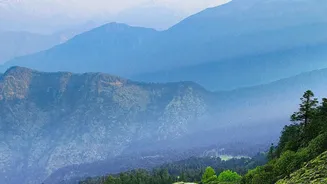
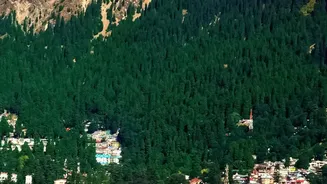
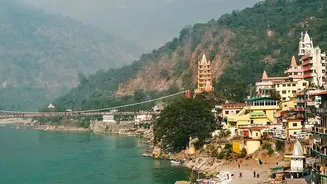
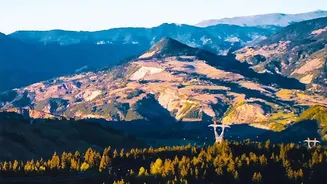
When you think of pure air, the Himalayas often come to mind. High-altitude destinations in states like Uttarakhand, Himachal Pradesh, and Sikkim offer some of the freshest air in the country. Places like Lansdowne, protected by cantonment regulations, or Mukteshwar, with its ridge-top winds, provide a true escape from smog. Further afield, Gangtok in Sikkim is noted for its eco-friendly policies and consistently clean air. These mountain retreats are perfect for activities that celebrate clean air, such as trekking through pine forests, practicing yoga with a mountain view, or simply reading a book on a balcony while breathing in the crisp, cool breeze. The noticeable lack of vehicular fumes and industrial smoke provides immediate respiratory relief.
The Coastal Rejuvenation
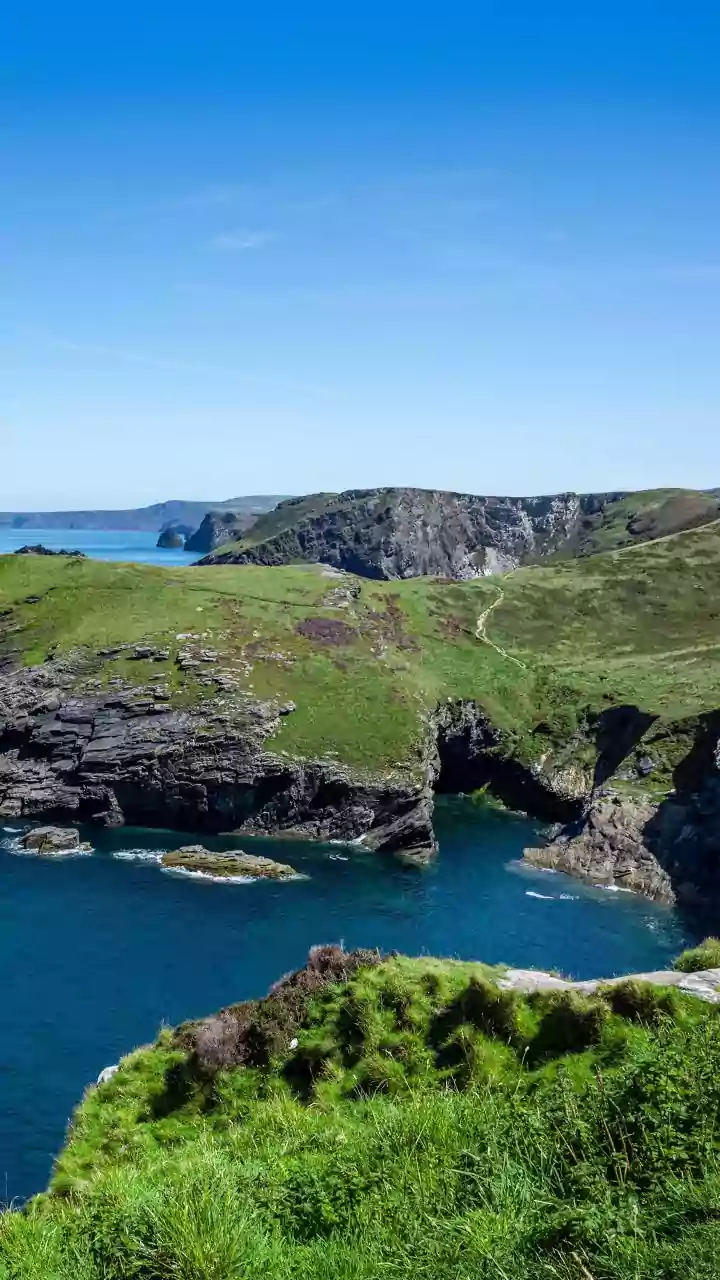
Don't underestimate the restorative power of the sea. Coastal destinations in Kerala, Karnataka, and Tamil Nadu offer a different kind of clean-air escape. The constant sea breeze helps to disperse pollutants, keeping the air fresh and clean. Beyond the usual tourist spots, consider the tranquil beaches of Udupi or the less-travelled stretches of the Konkan coast. In the south, Munnar in Kerala, though a hill station, benefits from its proximity to the coast and its elevation amidst tea plantations that act as natural air filters. A recovery holiday here might involve long walks on the beach at sunrise, enjoying fresh seafood, or simply listening to the sound of the waves. The high humidity and salty air can also have a therapeutic effect on the respiratory system.
The Forest Bathing Escape
For a truly immersive natural detox, consider a trip centred around 'forest bathing', or Shinrin-yoku. This is the simple practice of spending quiet, mindful time in a forest. Destinations near national parks and biosphere reserves are ideal. The Western Ghats, particularly in areas like Coorg in Karnataka, are renowned for their dense tree cover and coffee plantations that contribute to remarkably clean air. Similarly, the forested plateau of Pachmarhi in Madhya Pradesh offers an isolated sanctuary away from urban pollution. The air inside a dense forest is rich in oxygen and phytoncides—antimicrobial compounds released by trees—which can boost the immune system and reduce stress. It’s an active way to let nature heal the damage done by city life.
Planning Your Breath of Fresh Air
Making the most of your recovery holiday is easy. The key is to prioritise rest over activity. Choose a destination that is easily accessible to you to minimise travel stress. Even a short break of two or three days can make a significant difference. Once there, make a conscious effort to spend time outdoors. Go for gentle walks, engage in light exercise, and practice deep breathing. Disconnect from your devices to give your mind a rest too. The goal is to return not just with memories, but with a renewed sense of energy and a feeling of having truly breathed easy, a luxury that is becoming increasingly rare in our urban lives.