







Is This Trip Right for Your Pet?
Before you book anything, the most important question to ask is whether your pet should come along at all. Pets thrive on routine, and travel can be highly disruptive and stressful. Consider your pet's age, health, and temperament. An elderly animal,
a nervous traveller, or a pet with a medical condition might be happier and safer at home with a trusted sitter. Many cats, for instance, prefer the familiarity of their own territory. If you do decide to travel together, a pre-trip visit to the veterinarian is essential. This is the time to ensure vaccinations are up-to-date, get a health certificate if needed, and discuss any concerns like motion sickness or anxiety.
Packing Their Comfort Zone
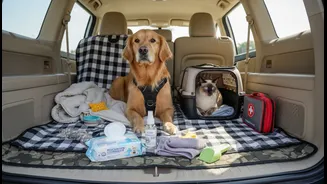
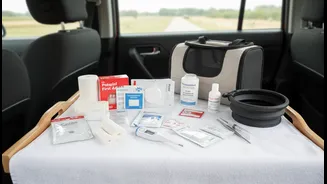
Packing for your pet is about more than just logistics; it's about bringing a piece of home on the road. A well-prepared travel kit can significantly reduce stress. Essentials include their regular food to avoid stomach upset, plenty of fresh water, and familiar bowls. Also pack any necessary medications, a pet-specific first-aid kit, and grooming supplies. Don't forget comfort items like a favourite blanket or toy. The familiar scent can be incredibly reassuring in a new environment. Lastly, ensure your pet wears a collar with an up-to-date ID tag, and confirm their microchip information is current.
Safety and Sanity on the Road
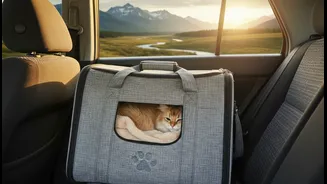
For road trips, safety inside the car is paramount. An unrestrained pet is a distraction to the driver and is at serious risk of injury in a sudden stop or crash. The safest way for your pet to travel is in a well-ventilated carrier secured by a seatbelt or a crash-tested safety harness attached to the seatbelt buckle in the back seat. Never allow your pet to ride in the front seat due to the danger of airbags. It is also dangerous to let them stick their head out the window, as this can lead to eye injuries from debris. Plan for frequent breaks every two to three hours for your pet to stretch, relieve themselves, and hydrate. And it bears repeating: never, ever leave a pet unattended in a parked car, as temperatures can become deadly within minutes.
Managing Travel Anxiety
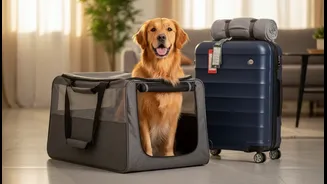
Recognizing the signs of stress—like panting, whining, or restlessness—is the first step to managing it. To make travel less daunting, start with short, positive practice trips that end in a fun place, like a park. This helps them associate the car with something other than a visit to the vet. Getting your pet comfortable with their carrier weeks before you leave is also crucial. You can make it a safe, inviting space by leaving it open at home with treats and toys inside. For some pets, calming aids like pheromone sprays or a snug-fitting anxiety vest can be helpful. In cases of severe anxiety, your veterinarian might prescribe medication to help them cope, but these should only be used under professional guidance.
Air Travel Considerations
Flying with a pet is significantly more complex and often more stressful for the animal. If possible, book a direct flight to minimize the time your pet spends in transit. Unless your pet is small enough to fit in a carrier under the seat in front of you, they will likely have to travel in the cargo hold. This can be a risky and frightening experience. Most veterinarians advise against using sedatives for air travel, as they can interfere with a pet's ability to regulate their body temperature and breathing at high altitudes. Always check the airline’s specific rules and requirements for carriers and health documentation well in advance.